

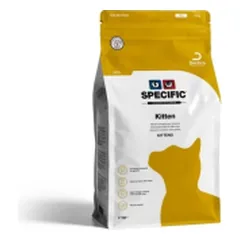
Specific
Specific FPD Kitten sausas maistas augantiems kačiukams, 400 kg
0,01 €/kg
5,59 € / 400 kg

Also known as: American longhair, Coon cat, Miane Coon Cat
The Maine Coon is a native of the northeastern United States and the state cat of Maine, and it is among the largest domestic cat breeds. Males typically weigh around 6 to 9 kilograms and mature slowly, often reaching full size only at three to five years. The long, shaggy double coat is water-resistant, fuller on the ruff, belly and tail, and the ears are tufted and the muzzle broad. Combing at least once a week keeps the coat free of tangles. The breed is known for a gentle, sociable nature, and instead of meowing it often makes a soft chirping sound. Life expectancy is typically around 12 to 15 years.
Maine Coon: how old in human years?
Energy level
Playfulness
Family friendly
Grooming need
Males 6–9 kg
Females 4–6.5 kg
Maine Coon: average score for sociability and trainability is high.
Maine Coon: average score for activity and living space is moderate.
Maine Coon: average score for personality and communication is moderate.
Maine Coon: grooming and shedding demands are high.
The 1–5 trait scores are editorial estimates, not measurements. Every cat is an individual, so treat them as a general guide.
A Maine Coon moves into your home not to leap across walls but to follow you from room to room: winding round your feet, chirping, investigating whatever you are doing. Instead of a loud meow it chirrups and purrs, and those sounds become the background of your day.
It likes to play into adulthood: chasing balls, pouncing on a wand toy, diving into boxes. It is clever and happy to learn tricks, and after play it lounges nearby without demanding constant cuddles. Independent but friendly, it does not crowd you, it simply stays close.
It gets along well with children, other animals and even friendly dogs, and is not shy of visitors. Its large body needs a sturdy climbing tree and a stable scratching post, and toys and a window with a view help it through a long day on its own.
The Maine Coon's coat is long and double: a dense undercoat beneath water-shedding top hairs. It is lighter than it looks, yet it sheds a good deal, especially in spring and autumn, so brush it a few times a week, and daily while it is shedding.
Most attention goes to the armpits, belly and the "trousers", where the hair tangles and mats: tease the knots out gently with a comb rather than pulling. Check the skin, ears and corners of the eyes regularly, look at the nails, and have the teeth and gums looked at by a vet at the yearly check-up.
How to do it:
By age:
The Maine Coon is a large, sturdy cat that lives twelve to fifteen years. A few inherited heart, nerve, kidney and joint conditions are known in the breed, along with gum inflammation, so ask the breeder about the parents' health testing before you bring a kitten home, and leave the rest for a vet to judge.
This is general information, not veterinary advice. For your own cat's health, tests and treatment, see a vet.
When the wall of the heart thickens, the heart pumps blood less easily. A Maine Coon is playful but just as happy to lounge, so faster breathing or less interest in play is easy to put down to character. Notice how your cat breathes at rest, and show any change to a vet.
An inherited disease in which the nerve cells that control movement die off, so the muscles weaken. Maine Coon kittens love to climb and leap, so an unsteady walk or a reluctance to jump stands out. If your kitten keeps tumbling or tires quickly, show it to a vet.
An inherited kidney disease in which fluid-filled cysts grow in the kidneys. A cat can look healthy for a long time, so signs such as clearly drinking or passing more urine are worth watching for from a young age. Ask the breeder about the parents' health testing before you take a kitten.
The hip joint forms imperfectly and wears over time. A Maine Coon is big and heavy, so its joints carry a greater load. If it stops jumping onto its favourite spots or moves more carefully, show it to a vet.
Gums that stay inflamed make the mouth sore. The signs are bad breath and careful eating, and a look at the mouth belongs in every routine vet check-up.
This list is the same on every cat breed page. Shops do not label cat food by breed, so it simply shows the cheapest cat food we track per kilogram. Check the label for your cat's age and health needs. Prices are updated daily.
≈ 88 g of dry food a day, from €5,04 a month For a neutered, normally active 6,4 kg cat. Calculate for your cat
Specific
0,01 €/kg
5,59 € / 400 kg
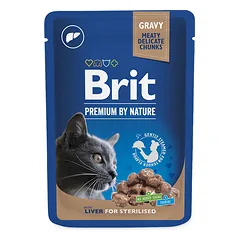
Brit Premium
0,33 €/kg
0,80 € / 2,4 kg
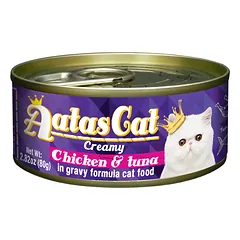
0,55 €/kg
1,05 € / 1,9 kg
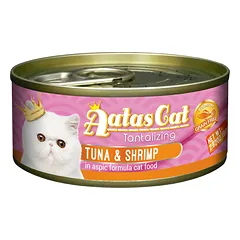
0,55 €/kg
1,05 € / 1,9 kg
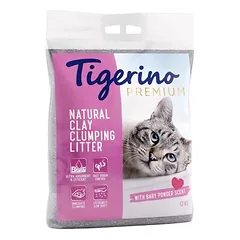
Tigerino
0,87 €/kg
20,89 € / 24 kg
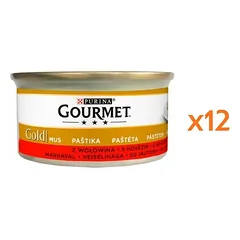
Gourmet
0,94 €/kg
0,96 € / 1,0 kg
Fitmin for Life
1,00 €/kg
0,80 € / 0,8 kg
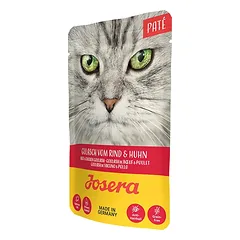
Josera
1,10 €/kg
1,49 € / 1,4 kg