

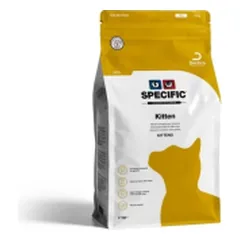
Specific
Specific FPD Kitten sausas maistas augantiems kačiukams, 400 kg
0,01 €/kg
5,59 € / 400 kg

Also known as: Angora cat, Ankara cat
The Turkish Angora takes its name from Ankara and is considered one of the oldest long-haired cat breeds. It is slimmer and more graceful than many long-haired breeds, with a fine-boned body and a wedge-shaped head with pointed ears. Adults typically weigh around 2.5 to 5.5 kilograms. The medium-length silky coat has little undercoat, so it seldom tangles and is easy to brush. The breed is often associated with white, although other colours occur. Angoras are generally active, curious and quick, and they enjoy climbing and play. Life expectancy is typically around 12 to 16 years.
Turkish Angora: how old in human years?
Energy level
Playfulness
Family friendly
Grooming need
Males 3.5–5.5 kg
Females 2.5–4 kg
Turkish Angora: average score for sociability and trainability is moderate.
Turkish Angora: average score for activity and living space is high.
Turkish Angora: average score for personality and communication is moderate.
Turkish Angora: grooming and shedding demands are moderate.
The 1–5 trait scores are editorial estimates, not measurements. Every cat is an individual, so treat them as a general guide.
In the morning you will find it on the wardrobe, at lunch on the fridge, and in the evening somewhere you never thought could be climbed. A Turkish Angora is active, very clever and curious, and wants to see everything from the highest point, so a tall, sturdy cat tree and shelves on the wall are worth more to it than any soft bed.
It plays long and inventively: chasing, hiding, fetching, working out toys with a trick to them. Boredom is a hazard for a clever cat, so puzzle feeders and a daily hour of play keep it from finding its own entertainment among your things. It talks in moderation, but makes perfectly clear what it wants.
It gets on with children and dogs as long as they respect its pace: it does not care to be grabbed for a cuddle and prefers to choose closeness itself. It lives happily in a flat with places to climb and scratch, and a window onto the street and another lively cat brighten a long day alone.
The Turkish Angora's coat is silky, medium-long and without a dense undercoat, so it tangles far less than such a fluffy tail would suggest. Combing once or twice a week is enough; it sheds a moderate amount, and the coat thins in summer, when you will find more hair on the sofa and the comb deserves a few extra outings.
A pale coat shows everything: rusty tear marks at the corners of the eyes, dust on the paws. Wipe the eye corners gently with a damp cotton pad, look into the large, upright ears every week, and check the skin under the coat while you comb. If the ears hold a lot of wax, the eyes water or the skin turns red, show your cat to a vet.
A long neck, fine bones and a tail like a plume make the Turkish Angora look delicate, yet it lives twelve to sixteen years. Two areas are worth knowing about: inherited deafness, linked to a white coat and blue eyes, and heart disease. Ask the breeder about the parents' health testing before you take a kitten, and have a vet listen to the heart every year.
This is general information, not veterinary advice. For your own cat's health, tests and treatment, see a vet.
When the inner ear does not develop as it should, a kitten is born unable to hear in one or both ears; in cats this deafness is linked to the gene behind a white coat, especially with blue eyes. A white Turkish Angora gives it away by not turning when called, sleeping through the vacuum cleaner or meowing unusually loudly. A vet can check its hearing, and a deaf cat is safest living indoors.
A broad name for conditions in which the heart, for one reason or another, works less well. A Turkish Angora is so active that you will notice it slowing down: if it stops jumping to its favourite heights, gets out of breath in play or breathes fast at rest, show it to a vet. Sudden weakness or laboured breathing means it needs a vet immediately.
This list is the same on every cat breed page. Shops do not label cat food by breed, so it simply shows the cheapest cat food we track per kilogram. Check the label for your cat's age and health needs. Prices are updated daily.
≈ 61 g of dry food a day, from €3,47 a month For a neutered, normally active 3,9 kg cat. Calculate for your cat
Specific
0,01 €/kg
5,59 € / 400 kg
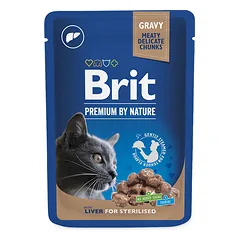
Brit Premium
0,33 €/kg
0,80 € / 2,4 kg
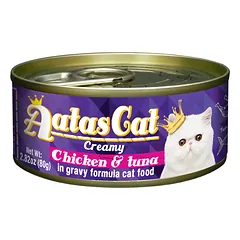
0,55 €/kg
1,05 € / 1,9 kg
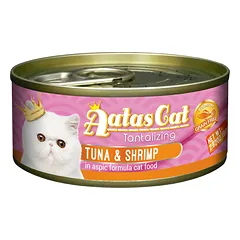
0,55 €/kg
1,05 € / 1,9 kg
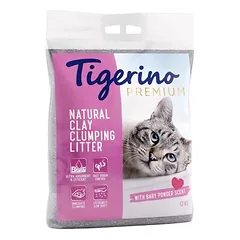
Tigerino
0,87 €/kg
20,89 € / 24 kg
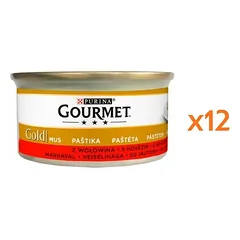
Gourmet
0,94 €/kg
0,96 € / 1,0 kg
Fitmin for Life
1,00 €/kg
0,80 € / 0,8 kg
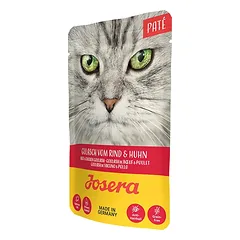
Josera
1,10 €/kg
1,49 € / 1,4 kg