


VetExpert
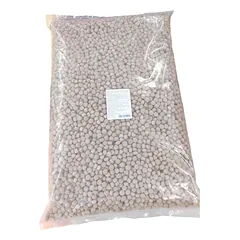
Raw Paleo Dog Ultra Mini Puppy Beef 750 kg
0,02 €/kg
13,09 € / 750 kg

Also known as: Jones Terrier
In Norwich, England, this smallest of the working terriers was kept by Cambridge students as both mascot and ratter around the stables. Erect ears distinguish it from its close cousin the Norfolk Terrier, whose ears fold down. The frame is featherlight, up to 5.5 kilograms, but carries the same boldness and drive as much larger terriers. The wiry coat needs periodic hand-stripping. Despite its size, it shows no hesitation around bigger dogs, which can cause trouble at the park. Playful and curious with family, it needs steady mental engagement. Life expectancy runs 12 to 15 years.
Browse dog food sized right for this breed
Norwich Terrier: how old in human years?
Energy level
Trainability
Family friendly
Grooming need
Males 25–26 cm
Females 25–26 cm
Males 5–5.5 kg
Females 5–5.5 kg
Norwich Terrier's average temperament and family-life score for this breed is high.
Norwich Terrier's energy and exercise needs are high.
Norwich Terrier's guarding and alertness traits are low.
Norwich Terrier's grooming needs are low.
At first glance, a plush toy with pricked ears. At second glance, a terrier to the last hair, the first to hear a mouse under the woodpile and the last to agree to come home. The Norwich was bred to hunt small vermin and that zeal is still very much alive, so in open country a lead or a well-fenced garden will save you a lot of nerves.
It has energy to spare: every day it wants a few good walks and something to occupy its head, such as sniffing games, treat hunts and new routes. It is bright and keen to learn when lessons are short, cheerful and rewarded, but turns dull repetition into a negotiation. It lives happily in a flat as long as it gets its outdoor time, and will let you know about visitors without making a great racket about it.
At home the Norwich is a true companion: devoted, playful and keen to be wherever something interesting is happening. It gets on well with children and other dogs, and looks strangers over first before deciding whether they are worth the bother. In the evening, after a romp in the park, it will happily curl up on your lap, small, warm and very pleased with itself.
A Norwich wears a straight, harsh, wiry coat with a thicker ruff around the neck, and it sheds most of the mud on its own. Scissors and clippers are not its friends: clipped wire hair goes soft and loses its weatherproofing. A weekly brush right down to the skin is enough, plus a couple of sessions a year pulling out the dead hair with your fingers, called hand-stripping, which is best seen first in an experienced groomer's hands. While you brush, check the skin for redness, flakes or a spot your dog keeps scratching.
Check the eyes once a week and wipe the corners with a damp cloth, and look inside the upright ears, which should be clean and odour-free. Teeth are best brushed daily with a dog toothpaste; in a small dog that minute at the sink is the most valuable part of the routine. Trim the nails as soon as you hear them clicking on the floor, because a Norwich runs a lot but not always enough to wear them down.
Five kilos of grit and good humour, the Norwich Terrier is sturdy for its size and can be with you for twelve to fifteen years. Like many small dogs, it is worth keeping an eye on its knees, its teeth and its windpipe. None of these is a sentence: with regular vet check-ups, changes get noticed in good time.
This is general information, not veterinary advice. For your own dog's health, tests and treatment, see a vet.
The kneecap, a small bone at the front of the knee, can slip out of its groove and pop back a moment later. You might see your Norwich tearing across the garden, suddenly carrying a hind leg for a few strides, then running on as if nothing happened. In a small, bouncy terrier this looks harmless, but if the skip keeps returning, have your vet take a look.
In a small jaw the teeth sit close together, which gives plaque and tartar plenty of cosy corners to settle in. An early sign can be bad breath, then red gums, a brown film on the teeth, or a dog that eats more carefully and chews on one side. Look inside your Norwich's mouth regularly and talk any changes through with your vet.
The trachea is the windpipe, and its walls can soften and flatten so that air has a harder time getting through. You may hear a dry, honking cough, rather like a goose, especially when the dog is excited or pulls against its collar. That cough is worth discussing with your vet, and if your dog is struggling to breathe or its gums turn blue, it needs a vet immediately.
This list is chosen by the breed's weight (6 kg) rather than the breed itself: shops label food by dog size, so every breed of the same size gets the same list. Prices are updated daily.
≈ 105 g of dry food a day, from €5,65 a month For a neutered, normally active 5,3 kg dog. Calculate for your dog
VetExpert
0,02 €/kg
13,09 € / 750 kg
1,70 €/kg
17,02 € / 10 kg
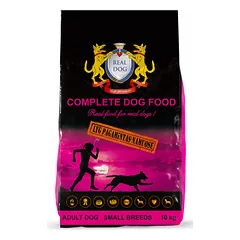
Real Dog
1,78 €/kg
17,79 € / 10 kg
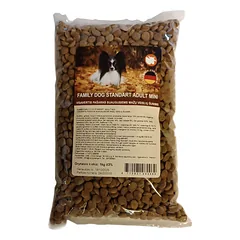
Family Dog
1,89 €/kg
1,89 € / 1 kg
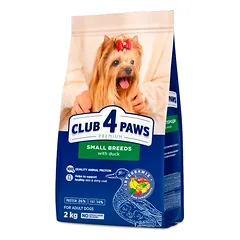
Club 4 Paws
1,93 €/kg
26,99 € / 14 kg

Club 4 Paws
1,93 €/kg
26,99 € / 14 kg
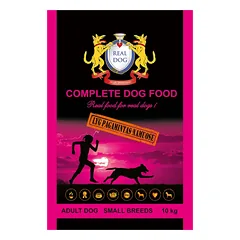
Real Dog
1,94 €/kg
19,42 € / 10 kg
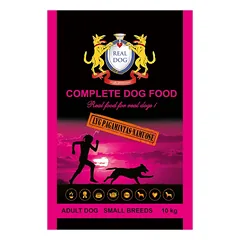
Real Dog
1,95 €/kg
19,49 € / 10 kg