

VetExpert
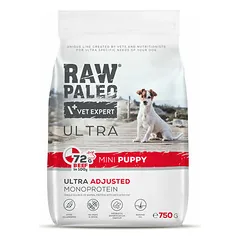
Raw Paleo Dog Ultra Mini Puppy Beef 750 kg
0,02 €/kg
13,09 € / 750 kg

Also known as: Yorkie
In England's industrial Yorkshire region, this breed was created by working class ratters to clear vermin from textile mills and coal mines, not as the ornamental dog it later became. The long, silky, straight coat with no undercoat has a texture close to human hair and needs daily brushing to stay tangle-free. The body is featherlight, up to 3.2 kilograms, one of the smallest breeds on the FCI list. Despite the tiny size, the temperament stays bold and sometimes feisty, a clear echo of its terrier working past. The bones are fragile given the size, so care around small children matters. It attaches closely to its family. Life expectancy runs 13 to 16 years.
Browse dog food sized right for this breed
Yorkshire Terrier: how old in human years?
Energy level
Trainability
Family friendly
Grooming need
Males not specified
Females not specified
Males not specified
Females not specified
Yorkshire Terrier's average temperament and family-life score for this breed is moderate.
Yorkshire Terrier's energy and exercise needs are moderate.
Yorkshire Terrier's guarding and alertness traits are moderate.
Yorkshire Terrier's grooming needs are low.
Every time something rustles in the stairwell, your Yorkie already knows and tells the whole household. It once caught rats in the mills of Yorkshire, and although its job today is more lap than rat, the terrier's courage and alertness never went anywhere: it barks readily and loudly, with no idea that it weighs less than a bag of potatoes. Bright and quick, it learns gladly if lessons are short and fun, and calm manners with visitors are worth teaching from the very first days.
It doesn't need long hikes: a few short walks a day plus some play indoors keep it happy, which makes it an excellent flat dweller. A harness suits that small body better than a collar, and on a cold, wet day it will happily wear a jumper, while insisting it is a proper terrier.
Yorkies attach themselves firmly to their people and like to be wherever you are. With small children some care is needed: a dog this size is easy to hurt by accident, and it won't necessarily put up with clumsy hugs, so it does best with older children or adults. With other dogs and strangers it is polite, though it does not always grasp that the neighbours' enormous dog is not a fair match.
A Yorkie's coat is long, silky and straight, closer to human hair than to dog fur, and it barely sheds. The price is daily brushing: fine strands tangle easily, especially behind the ears, in the armpits and under the harness, and mats pull on the skin. Many owners opt for a shorter clip that is far easier to keep tidy; either way, tie the hair above the eyes into a topknot or trim it so it stays out of them. While you brush, check the skin underneath, which is easy to forget when all you see is a shining curtain.
Wipe the corners of the eyes daily with a soft damp cloth, and look inside the ears once a week: they should be clean and free of any unpleasant smell. Teeth sit close together in that little jaw, so brushing them with a dog toothbrush and toothpaste, ideally every day, is as much a part of the routine as brushing the coat; get your dog used to it from puppyhood.
A Yorkshire Terrier weighs no more than 3.2 kilograms but lives a long life, with a life expectancy of thirteen to sixteen years. A small body has small reserves, so some changes, such as dips in blood sugar or a change in breathing, mean more for this dog than for a bigger one. When something seems off, let your vet draw the conclusions.
This is general information, not veterinary advice. For your own dog's health, tests and treatment, see a vet.
Hypoglycemia means too little sugar in the blood, leaving the brain and muscles short of fuel. The dog suddenly turns listless, trembles, wobbles as it walks or seems confused, and in severe cases may collapse or have a seizure. A dog as small as a Yorkie, a puppy above all, has very little energy in reserve, so if you see these signs your dog needs a vet immediately.
Dental disease covers the build-up of plaque and tartar and the gum inflammation that can slowly damage the tissues holding the teeth. You might notice bad breath, a yellowish layer along the gumline or more careful chewing. A Yorkie's small jaw leaves its teeth little room, so make its mouth a regular part of vet visits.
Patellar luxation is a kneecap that slips out of its groove, so the knee briefly can't bend and straighten normally. It looks as if your dog suddenly lifts one hind leg mid-run, hops a few steps on three legs, then carries on. Yorkies love jumping on and off sofas, so if you see that hop, mention it to your vet.
The trachea is a tube of cartilage rings carrying air to the lungs; when the rings soften, the tube can flatten and get in the way of breathing. The best-known sign is a dry, honking cough, like a goose, especially with excitement or a tug on the lead. It matters in a dog as small as a Yorkie, so have any cough checked by your vet, and if your dog is struggling to breathe or its tongue turns bluish, it needs a vet immediately.
A liver shunt is an abnormal blood vessel that lets part of the blood from the gut bypass the liver, so it never gets cleaned there. An affected puppy may grow more slowly than its littermates and act strangely after meals: sleepy, confused, pressing its head against a wall or walking in circles. If your Yorkie is lagging behind or behaves oddly after eating, see your vet, who will establish the cause.
This list is chosen by the breed's weight (3 kg) rather than the breed itself: shops label food by dog size, so every breed of the same size gets the same list. Prices are updated daily.
≈ 71 g of dry food a day, from €3,87 a month For a neutered, normally active 3,2 kg dog. Calculate for your dog
VetExpert
0,02 €/kg
13,09 € / 750 kg
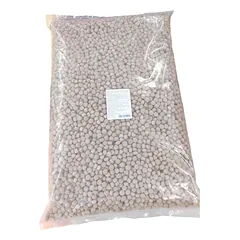
1,70 €/kg
17,02 € / 10 kg
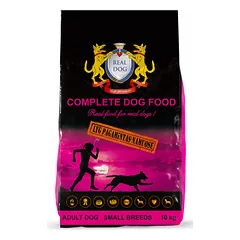
Real Dog
1,78 €/kg
17,79 € / 10 kg
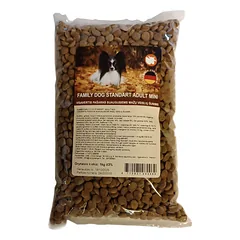
Family Dog
1,89 €/kg
1,89 € / 1 kg
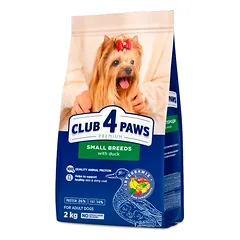
Club 4 Paws
1,93 €/kg
26,99 € / 14 kg
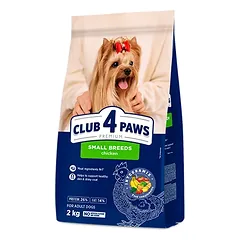
Club 4 Paws
1,93 €/kg
26,99 € / 14 kg
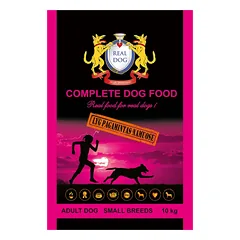
Real Dog
1,94 €/kg
19,42 € / 10 kg
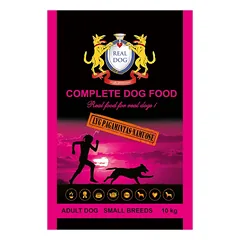
Real Dog
1,95 €/kg
19,49 € / 10 kg