

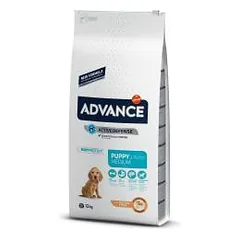
Advance
Advance Puppy Medium sausas maistas vidutinių veislių šuniukams, 12 kg
1,48 €/kg
17,76 € / 12 kg

Also known as: Westie, Poltallock Terrier, Roseneath Terrier
In Scotland this breed shares ancestry with the Cairn Terrier, but the white coat was deliberately selected so hunters wouldn't mistake the dog for a fox in the field and shoot it by accident. The frame is compact, up to 10 kilograms, sturdy and muscular for its size. The wiry, dense coat needs periodic hand-stripping rather than clipping to keep its texture. The temperament is spirited, bold and occasionally stubborn, a holdover from working underground against badger and fox. It hit peak popularity in the 20th century after becoming the face of a well known whisky brand. Playful and friendly with family. Life expectancy runs 13 to 15 years.
Browse dog food sized right for this breed
West Highland White Terrier: how old in human years?
Energy level
Trainability
Family friendly
Grooming need
Males 28–28 cm
Females 26–26 cm
Males 7–10 kg
Females 6–9 kg
West Highland White Terrier's average temperament and family-life score for this breed is moderate.
West Highland White Terrier's energy and exercise needs are high.
West Highland White Terrier's guarding and alertness traits are moderate.
West Highland White Terrier's grooming needs are low.
To your West Highland White Terrier, a molehill in the garden isn't a bump, it's a personal challenge, and ten minutes later its white head will be brown. The breed was developed in the Scottish Highlands to hunt foxes and vermin among the rocks, and that stubborn hunter hasn't gone anywhere: it digs, sniffs, chases squirrels and loudly reports everything happening on the other side of the fence. Its recall can't always be relied on outdoors, so a lead and a fenced garden are good friends.
It is clever but has opinions of its own, so training works best in short, cheerful sessions with plenty of praise and rewards rather than dull repetition. It has no shortage of energy: a few walks a day, a game with a toy and the chance to sniff something interesting will keep it happy, and in the evening it will gladly settle beside you on the sofa.
In the family it is merry, affectionate and brave, and gets on well with children, especially those who like to play and don't squeeze it. It is friendly with other dogs on the whole, though terrier pride sometimes won't let it back down to a bigger one. Its small size and adaptable nature make it a fine flat-dweller, provided the neighbours don't mind every courier being announced at full volume.
A Westie's coat has two layers: a harsh, straight outer coat over a soft undercoat. It sheds little, but the dead hair doesn't fall out by itself, so every few months the coat needs to be hand-stripped or clipped. Stripping takes longer but keeps the coat harsh and white; after clipping it turns softer and picks up dirt more readily. In between, a brush once or twice a week is enough, paying most attention to the beard, legs and belly, where tangles start first.
A white coat shows you exactly what the skin is doing, so as you brush, look for redness, flakes or spots your dog keeps licking or scratching, and show those to a vet. Wipe the beard with a damp cloth after meals so it doesn't stain brown, and the corners of the eyes daily if discharge gathers there. Check the small upright ears weekly to make sure they are clean and don't smell.
A white coat hides nothing: you can see reddened skin and tear tracks on it, and an attentive owner spots a great deal early. The West Highland White Terrier is a sturdy little dog that lives thirteen to fifteen years, though a few conditions are known in the breed and some of them are inherited. Ask the breeder about the parents' health testing before you take a puppy home, and show any unusual change to a vet.
This is general information, not veterinary advice. For your own dog's health, tests and treatment, see a vet.
This is a malignant tumour in the wall of the bladder that stops it working properly. You may notice your dog squatting again and again but passing only a few drops, straining to pee, or blood in the urine; other problems can cause these signs too, so a vet has to decide. The disease is linked to the West Highland White Terrier among other breeds, and if your dog tries to pee but nothing comes out at all, it needs a vet immediately.
Plaque builds up on the teeth and hardens into tartar, the gums become inflamed, and in time teeth can loosen. You'll probably notice it with your nose first, as bad breath, and later see yellowish deposits, red gums or a dog that chews on one side only. In a Westie's small mouth the teeth sit close together, so regular brushing and vet check-ups are especially worthwhile.
The eye makes too few tears, so its surface dries out, gets irritated and can be damaged over time. You may notice thick, sticky, yellowish discharge in the corners of the eye, a red eye that has lost its shine, or a dog that squints and blinks. On a Westie's white face that discharge is easy to see, so when you spot it, have a vet look at the eyes without delay.
This is an inherited disease of growing puppies in which the bones of the lower jaw and skull thicken too much, making chewing and opening the mouth painful. You may notice a puppy that is reluctant to eat, yelps when it yawns or picks up a toy, drools, or has a jaw that feels thickened. The condition is linked to the West Highland White Terrier, so when buying a puppy ask the breeder about the parents' health testing, and have a vet see a puppy whose mouth seems sore.
The kneecap slips out of its groove, and for a while the leg can't bend as it should. You may see your dog suddenly lift a hind leg mid-run, hop a few steps on three legs and then carry on as if nothing had happened. A cheerful Westie may not look the least bit bothered by its occasional skip, but a skip that keeps coming back is worth showing to a vet.
This list is chosen by the breed's weight (10 kg) rather than the breed itself: shops label food by dog size, so every breed of the same size gets the same list. Prices are updated daily.
≈ 140 g of dry food a day, from €7,70 a month For a neutered, normally active 8 kg dog. Calculate for your dog
Advance
1,48 €/kg
17,76 € / 12 kg
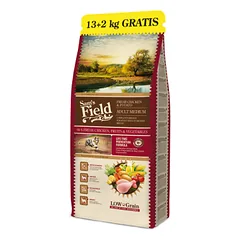
Sam's Field
1,80 €/kg
26,99 € / 15 kg

Country Dog
1,89 €/kg
28,29 € / 15 kg
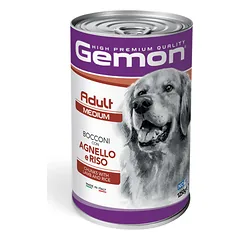
Gemon
1,94 €/kg
2,42 € / 1,3 kg
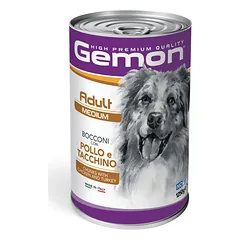
Gemon
1,94 €/kg
2,42 € / 1,3 kg

Sam's Field
2,11 €/kg
27,45 € / 13 kg
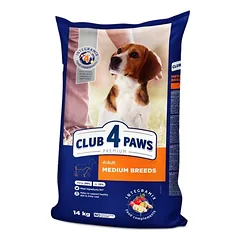
2,14 €/kg
30,00 € / 14 kg
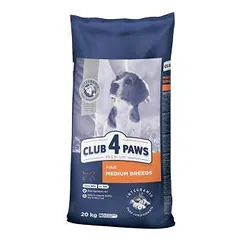
Club 4 Paws
2,15 €/kg
42,99 € / 20 kg