

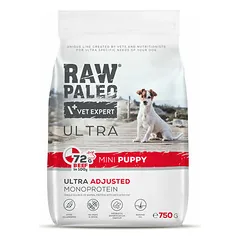
VetExpert
Raw Paleo Dog Ultra Mini Puppy Beef 750 kg
0,02 €/kg
13,09 € / 750 kg

The Norfolk Terrier was long considered the same breed as the Norwich Terrier, and it wasn't until 1964 that the English Kennel Club split them officially, based on one trait: the Norfolk's ears fold forward instead of standing erect. Both breeds trace to England's eastern counties, where small terriers hunted fox and rat around farms and stables. The wiry, straight coat needs periodic hand-stripping rather than clipping to keep its texture. A male weighs only around 6 kilograms, but size doesn't match temperament, the dog is bold, curious, and happy to dig after a rodent's scent. Life expectancy runs 12 to 15 years.
Browse dog food sized right for this breed
Norfolk Terrier: how old in human years?
Energy level
Trainability
Family friendly
Grooming need
Males 25–26 cm
Females 25–26 cm
Males 5–6 kg
Females 5–6 kg
Norfolk Terrier's average temperament and family-life score for this breed is high.
Norfolk Terrier's energy and exercise needs are high.
Norfolk Terrier's guarding and alertness traits are low.
Norfolk Terrier's grooming needs are low.
If you have ever seen a five-kilo dog proudly carry a stick longer than itself across the yard, chances are it was a Norfolk Terrier. It is small, sturdy and brave, with a true terrier heart but little of the terrier quarrelsomeness: devoted and gentle with its family, patient with children, and on good terms with other dogs.
It has plenty of energy: a long walk, ball games and a bit of digging make it happy. The hunting instinct is still very much alive, though, so let off the lead somewhere unfamiliar it may follow a mouse or a cat and forget your voice entirely. It can learn and enjoys it, just with opinions of its own: short, cheerful sessions with treats work best.
A flat suits it fine as long as it gets enough exercise and attention every day. It doesn't like being alone: a Norfolk wants to be close by, in the kitchen, in the garden, on the sofa, and if you let it, it will happily go everywhere with you.
A Norfolk Terrier's coat is harsh, straight and wiry, lying close to the body, and a little longer on the neck and shoulders, like a small ruff. It never needs cutting: a couple of times a year the dead hair is best hand-stripped, and between strips a weekly going-over with a brush and comb is plenty. Shedding is light, while clippers soften the wiry coat and take away some of its weatherproofing.
After a walk, run your hand through the coat right down to the skin: that is how you find a tick or a burr before it causes trouble. Check the small, forward-folding ears once a week and wipe the corners of the eyes with a damp cloth. Since teeth matter in this breed, it is worth folding tooth brushing into the same weekly ritual.
A Norfolk Terrier weighs only five or six kilos, yet considers itself a proper working dog and can be with you for twelve to fifteen years. A few conditions are linked to the breed, from a heart valve to the teeth and joints, so regular vet visits are no formality here but a sound investment. When in doubt, talk to a vet, and if you are getting a puppy, ask the breeder about the parents' health testing.
This is general information, not veterinary advice. For your own dog's health, tests and treatment, see a vet.
With age, the heart's mitral valve thickens and no longer closes tightly, so some blood leaks backwards and the heart has to work harder. The first sign may be a murmur the vet hears at a check-up; later the dog may tire sooner, cough or breathe faster at rest. An older Norfolk's heart is worth having listened to regularly by a vet, and sudden breathlessness or collapse needs a vet immediately.
Plaque and tartar build up on the teeth and irritate the gums until they bleed and recede. You might notice bad breath, red gums or a dog that eats more carefully than before. In a small muzzle the teeth are crowded together, so tooth care and regular checks by a vet are well worth it for a Norfolk.
The kneecap slips out of place and for a moment the dog can't bend its leg properly. A Norfolk may suddenly lift a hind leg and hop a few strides on three legs, then carry on running. If that skip keeps coming back, take your dog to a vet.
The hip joint forms badly, so it wears faster than it should and over time becomes painful. You might notice your dog getting up more slowly, being reluctant on stairs or running oddly, with both hind legs together. Small size is no protection here, so changes like these are worth showing to a vet.
This list is chosen by the breed's weight (6 kg) rather than the breed itself: shops label food by dog size, so every breed of the same size gets the same list. Prices are updated daily.
≈ 105 g of dry food a day, from €5,80 a month For a neutered, normally active 5,5 kg dog. Calculate for your dog
VetExpert
0,02 €/kg
13,09 € / 750 kg
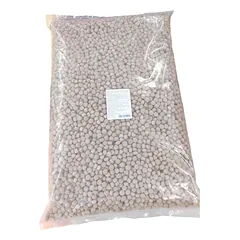
1,70 €/kg
17,02 € / 10 kg
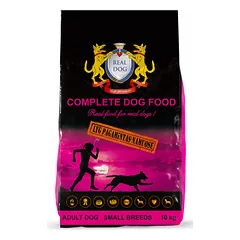
Real Dog
1,78 €/kg
17,79 € / 10 kg
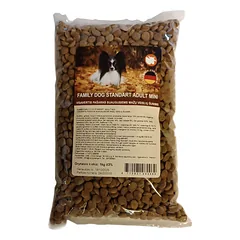
Family Dog
1,89 €/kg
1,89 € / 1 kg
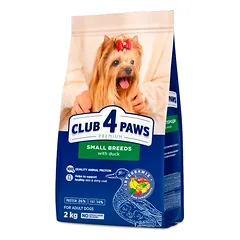
Club 4 Paws
1,93 €/kg
26,99 € / 14 kg

Club 4 Paws
1,93 €/kg
26,99 € / 14 kg
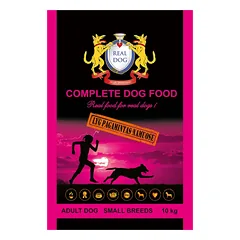
Real Dog
1,94 €/kg
19,42 € / 10 kg
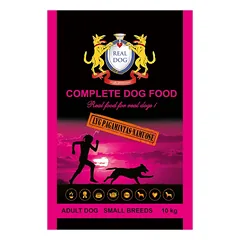
Real Dog
1,95 €/kg
19,49 € / 10 kg