


VetExpert
Raw Paleo Dog Ultra Mini Puppy Beef 750 kg
0,02 €/kg
13,09 € / 750 kg

Also known as: CKCS, Cavi, Cavalier, Cavalier spaniel, King Charles Cavalier
The Cavalier King Charles Spaniel was created in the early twentieth century to recreate the longer-muzzled spaniel type seen in old portraits from the era of King Charles II, who adored such dogs. It differs from the shorter-faced King Charles Spaniel mainly in its longer nose and flatter skull. At around 8 kilograms, it is one of the most popular toy breeds in the world, though it carries a known predisposition to heart valve disease, which makes health screening in breeding lines especially important. The long, silky, slightly wavy coat needs regular brushing. Temperament is exceptionally friendly, rarely aggressive, and it gets along well with children and other pets. That devotion to people can tip into separation anxiety if left alone too long. Despite its small size, it still needs a daily walk. Life expectancy runs 10 to 14 years.
Browse dog food sized right for this breed
Cavalier King Charles Spaniel: how old in human years?
Energy level
Trainability
Family friendly
Grooming need
Males 30–33 cm
Females 30–33 cm
Males 5.4–8 kg
Females 5.4–8 kg
Cavalier King Charles Spaniel's average temperament and family-life score for this breed is high.
Cavalier King Charles Spaniel's energy and exercise needs are moderate.
Cavalier King Charles Spaniel's guarding and alertness traits are low.
Cavalier King Charles Spaniel's grooming needs are moderate.
You close the bathroom door, and a minute later there is a small sigh on the other side: your Cavalier has lain down on the threshold and will wait as long as it takes. The breed was raised in Britain to be a companion, and it shows in everything it does; what matters most is being near you, ideally on your lap. Cavaliers are bright and learn easily, especially when effort earns praise and a tasty reward; a stern voice saddens them more than it teaches them.
With children, other dogs and even strangers they are friendly to the point of naivety, so they make no kind of guard; a burglar would probably be greeted with a wagging tail. On the other hand they settle happily in a flat, bark little and fit around the family's rhythm, enjoying a long walk in the park but not holding a rainy sofa day against you either.
A typical day: a morning walk with plenty of sniffing, a little play indoors, another outing in the afternoon or evening, and lots of cuddling in between. They pine when left alone for long, so if the whole household is out from morning to night, think about who will keep them company.
That long, silky, slightly wavy coat is what makes a Cavalier look like it stepped out of a painting, and paintings take upkeep. Brush a few times a week with a soft brush and a wide-toothed comb, paying special attention behind the ears, in the armpits, and through the feathering on the legs and tail, where hair loves to knot. Use the session to check the skin: long hair hides a red or flaky patch, and the comb is what reveals it.
Those long, feathered drop ears are both beauty and chore: lift, look and sniff once a week, since little air gets underneath. Check the ear fringes after meals, too, as they have a habit of going for a dip in the bowl. Wipe the corners of those big eyes gently each day with a soft damp cloth so tear tracks don't stain the coat, and show any redness or cloudiness to your vet.
A Cavalier King Charles Spaniel lives around ten to fourteen years, and with good care those are long, gentle years spent mostly on your lap. The heart deserves the most attention in this breed, with the eyes, joints and nervous system close behind. Having the heart listened to at every visit, keeping an eye on how your dog moves and scratches, and taking your questions to the vet: that is the whole plan.
This is general information, not veterinary advice. For your own dog's health, tests and treatment, see a vet.
This covers a range of eye troubles, from a lens turning cloudy to problems with the eyelids or tears. You might notice a cloudy or bluish eye, constant weeping, redness, or your dog squinting and pawing at its face. Those big, round, dark eyes are a Cavalier's calling card, so look at them up close now and then, and show any change to your vet.
The kneecap, a small bone at the front of the knee, slips out of its groove and the leg briefly locks. You may see your dog suddenly hop along on three legs mid-run, then carry on a few steps later as if nothing happened. In a small, light Cavalier that skip can look almost charming, but if it keeps happening, let your vet examine the knee.
This is a developmental problem of the hip: the ball of the thigh bone does not sit snugly in its socket, so the joint wears over time. Your dog may get up more slowly, hesitate at a sofa it used to clear in one bound, or run with both back legs pushing off together like a rabbit. A small body doesn't hide the condition, it only softens it, so changes like these are worth a conversation with your vet.
This is a disease of a heart valve: the valve between the chambers on the left side slowly thickens and stops closing tightly, so some blood leaks backwards. The vet tends to hear it first, as a heart murmur; later you might notice your dog tiring sooner, coughing, or breathing faster than before while fast asleep. The condition is closely tied to Cavaliers, which is why responsible breeders screen the parents' hearts, and why you can ask your vet to listen at every visit.
In this condition, fluid-filled cavities form within the spinal cord, mainly in the neck, linked to the shape of the skull. It can give itself away through an odd habit: the dog scratches at its neck or shoulder in the air without touching the skin, or yelps when you touch its head or neck. The Cavalier's skull shape is connected to this condition, so show signs like these to your vet rather than putting them down to fleas or personality.
This list is chosen by the breed's weight (8 kg) rather than the breed itself: shops label food by dog size, so every breed of the same size gets the same list. Prices are updated daily.
≈ 125 g of dry food a day, from €6,73 a month For a neutered, normally active 6,7 kg dog. Calculate for your dog
VetExpert
0,02 €/kg
13,09 € / 750 kg
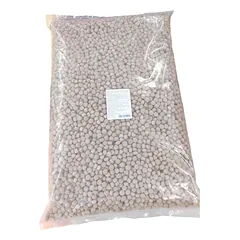
1,70 €/kg
17,02 € / 10 kg

Real Dog
1,78 €/kg
17,79 € / 10 kg
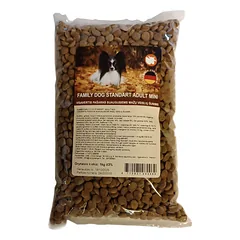
Family Dog
1,89 €/kg
1,89 € / 1 kg
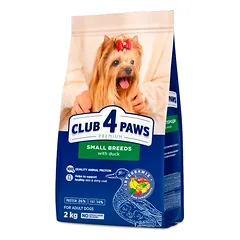
Club 4 Paws
1,93 €/kg
26,99 € / 14 kg

Club 4 Paws
1,93 €/kg
26,99 € / 14 kg

Real Dog
1,94 €/kg
19,42 € / 10 kg

Real Dog
1,95 €/kg
19,49 € / 10 kg