

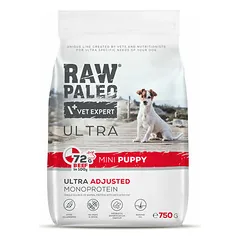
VetExpert
Raw Paleo Dog Ultra Mini Puppy Beef 750 kg
0,02 €/kg
13,09 € / 750 kg

In the Scottish Highlands this small terrier worked among the rock piles called cairns, which gave it its name, digging foxes and other vermin out of dens between the stones. The harsh, weatherproof double coat kept it protected from damp, windy conditions, and a compact frame of around 7.5 kilograms let it squeeze into narrow gaps easily. The Cairn Terrier is probably best known as Toto from The Wizard of Oz, and that film gave the breed a real boost in popularity through the 20th century. Despite its small size it remains a genuine working terrier at heart: curious, bold, and quick to dig given the chance. The coat sheds very little compared to most breeds, but it needs periodic hand stripping rather than just clipping. It tends to get on well with children and other dogs when socialized young. Life expectancy runs 13 to 15 years.
Browse dog food sized right for this breed
Cairn Terrier: how old in human years?
Energy level
Trainability
Family friendly
Grooming need
Males 28–31 cm
Females 28–31 cm
Males 6–7.5 kg
Females 6–6.5 kg
Cairn Terrier's average temperament and family-life score for this breed is moderate.
Cairn Terrier's energy and exercise needs are high.
Cairn Terrier's guarding and alertness traits are moderate.
Cairn Terrier's grooming needs are low.
Something rustled in the grass and your Cairn is already frozen, ears up, nose aimed at a molehill. These small Scots were bred to squeeze between piles of stones after foxes and other burrowing animals, and that fire has not gone out. The urge to hunt is strong, so in open country a lead or a well-fenced space is not a whim but a necessity, and in the garden you should expect the odd new hole.
A Cairn is clever but has opinions of its own: it learns fast when lessons are short, playful and rewarded, and simply tunes out dull repetition. Each day it wants a couple of good walks and something for the nose, such as search games, a good sniff, a toy it can hunt down. It copes well in a flat, but it is an alert little watchdog and will happily announce every footstep on the stairs.
In the family a Cairn is cheerful and devoted, and usually gets on with children, especially ones who understand that a small dog is not a toy. It generally manages with other dogs but does not like to back down, and cats and small pets are best introduced carefully and early. By evening, dug out and run ragged, it will settle beside you, still with one eye on duty.
The Cairn's coat, a harsh, weatherproof outer layer over a soft undercoat, is built to shrug off rain and mud on its own. It needs few baths and no scissoring: clipping softens that natural armour. Brush right down to the undercoat once or twice a week, and a few times a year pull out the dead hair by hand, which is called hand-stripping; it helps to have an experienced groomer show you the first time. While you brush, check the skin for redness, flakes or a spot your dog keeps scratching.
Once a week, lift the hair away from the eyes to see they are clear, and wipe the corners gently with a damp cloth. The upright ears should be clean and odour-free inside, and a groomer can tidy the hair on their tips. Cairns love to dig, so after a session in the garden look over the pads and between the toes, and trim the nails before you hear them clicking on the floor.
The Cairn Terrier is small but solidly built, and for many dogs the health story is as compact as the dog: years of digging, curiosity and getting into things. Still, a few areas deserve a closer look over its life: the eyes, the hormones, the liver and the knees. A Cairn can be with you for thirteen to fifteen years, and when something changes, let your vet draw the conclusions.
This is general information, not veterinary advice. For your own dog's health, tests and treatment, see a vet.
This covers a range of eye disorders, from changes inside the eye to raised pressure that can slowly wear down sight. You might notice a red or cloudy eye, an unusual dark patch, watering, or a Cairn that suddenly moves less confidently at dusk. That shaggy face can hide early changes, so look at the eyes up close now and then and show any change to your vet.
Cushing's disease means the body produces too much of the stress hormone cortisol over a long period. You may notice an older Cairn drinking and peeing more than before, begging for food constantly, getting a rounder belly and a thinning coat. These changes creep in slowly and are easy to blame on age, which is exactly why they are worth raising with your vet.
With hypothyroidism the thyroid gland makes too little hormone, and the whole body shifts into a slower gear. A normally busy Cairn may turn sluggish, gain weight without eating more, feel the cold and grow a thin, patchy coat that is slow to come back. In a breed this lively, a long spell of flatness is a signal worth taking to your vet.
A liver shunt is a blood vessel fault present from birth: part of the blood bypasses the liver and is never properly cleaned. A puppy may grow more slowly than its littermates, seem oddly sleepy or confused, especially after a meal, or vomit now and then. These signs show up young, so the first months of vet check-ups matter, and it is worth asking the breeder about the parents' health testing.
The kneecap, a small bone at the front of the knee, can slip out of its groove and pop back in. You may see your Cairn suddenly skip along on three legs for a few strides, then carry on as if nothing had happened. In a small terrier that loves to bounce it can look like play, but a skip that keeps coming back is worth showing to your vet.
This list is chosen by the breed's weight (8 kg) rather than the breed itself: shops label food by dog size, so every breed of the same size gets the same list. Prices are updated daily.
≈ 120 g of dry food a day, from €6,58 a month For a neutered, normally active 6,5 kg dog. Calculate for your dog
VetExpert
0,02 €/kg
13,09 € / 750 kg
1,70 €/kg
17,02 € / 10 kg
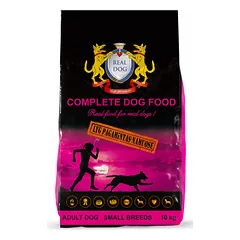
Real Dog
1,78 €/kg
17,79 € / 10 kg
Family Dog
1,89 €/kg
1,89 € / 1 kg
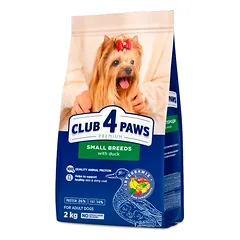
Club 4 Paws
1,93 €/kg
26,99 € / 14 kg
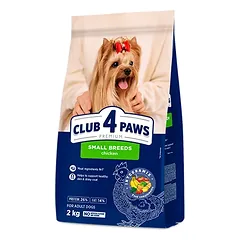
Club 4 Paws
1,93 €/kg
26,99 € / 14 kg
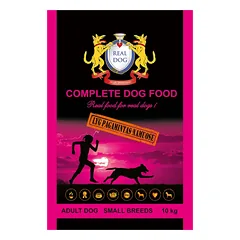
Real Dog
1,94 €/kg
19,42 € / 10 kg
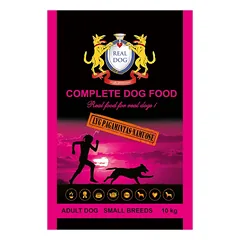
Real Dog
1,95 €/kg
19,49 € / 10 kg