

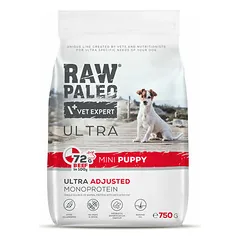
VetExpert
Raw Paleo Dog Ultra Mini Puppy Beef 750 kg
0,02 €/kg
13,09 € / 750 kg

Also known as: Sydney Silky Terrier, Sydney Silky, Silky Terrier, Australian silky
The Australian Silky Terrier emerged in the late 19th century in Australia from crosses between the Yorkshire Terrier and local terriers, aiming for a small but still genuinely working type dog for catching vermin around the house. The long, straight, silky coat resembles a Yorkie's, but the dog stays bolder and more active than its glamorous look suggests. Weighing only around 4.5 kilograms, it still carries a real terrier temperament: curious, alert and inclined to chase small animals. The coat needs regular brushing to avoid matting. At home it tends to sound the alarm loudly at strangers. Life expectancy runs 12 to 15 years.
Browse dog food sized right for this breed
Australian Silky Terrier: how old in human years?
Energy level
Trainability
Family friendly
Grooming need
Males 23–26 cm
Females 23–26 cm
Males 3.5–4.5 kg
Females 3.5–4.5 kg
Australian Silky Terrier's average temperament and family-life score for this breed is moderate.
Australian Silky Terrier's energy and exercise needs are high.
Australian Silky Terrier's guarding and alertness traits are moderate.
Australian Silky Terrier's grooming needs are low.
A mouse under the woodpile, a pigeon on the windowsill, the neighbour's cat behind the fence: an Australian Silky Terrier will spot them all before you do and announce each one loudly. It may be dressed like a lapdog, but inside it is a real terrier, quick, bold, curious and with a clear hunting streak.
A flat suits it fine, but the sofa is not enough: it needs good walks every day, games with toys and jobs for its nose. Letting it off the lead in an unfenced place is a gamble, because once something runs, it quickly forgets what its name sounds like. It gets on with other dogs if it met them young, and is happiest with children old enough to understand that a four-kilo dog is not a toy.
It learns fast, though not always what you had in mind, so short, varied sessions with treats and clear rules work best. Tackle the barking from day one: teach it that raising the alarm is fine but shouting the house down is not. In the evening the same noisemaker curls up beside you looking as though it has never barked in its life.
The Australian Silky Terrier's coat is exactly what the name promises: fine, straight, glossy like silk and without a woolly undercoat. That means it sheds very little and combs out more easily than a double coat, but the long hair still loves to knot behind the ears, in the armpits and across the chest. Comb it every day or every other day with a metal comb right down to the skin, and keep the traditional parting down the middle of the back, which shows you the skin every time. If you find greasy, reddish or oddly smelling patches, particularly between the toes, show them to the vet.
A longer topknot grows on the head; tie it up or trim it so it stays out of the eyes, and wipe the corners of the eyes now and then with a damp cloth. It is worth trimming the tips of the upright ears short so the hair doesn't weigh them down; check inside once a week. There is little room for teeth in that small mouth, so brush them with a dog toothbrush and dog toothpaste, ideally every day, and a dog used to it from puppyhood treats it as part of the routine.
Four kilos, a curtain of silk and a proper terrier's heart: an Australian Silky Terrier can keep you company for twelve to fifteen years. Its list is longer than some breeds', but read it as a set of places worth watching in a small body: eyes, teeth, liver, joints and skin. Your part is to notice; assessing and deciding is the vet's.
This is general information, not veterinary advice. For your own dog's health, tests and treatment, see a vet.
A cataract is a clouding of the eye's lens, as the clear lens slowly turns milky and lets less light through. You may see a grey or bluish sheen in the middle of the pupil, and your dog may grow hesitant at dusk. A Silky's eyes are small and dark, so lift the topknot, look at them in good light, and show any change to the vet.
PRA is an inherited disease in which the retina slowly wastes away and sight fades, first in the dark and later in daylight too. It doesn't hurt, so the first sign is behaviour: on the evening walk your dog sticks closer to you, hesitates at steps or bumps into things it never used to notice. If you are getting a Silky puppy, ask the breeder about the parents' health testing, and take any change in sight to the vet.
Plaque builds up on the teeth and hardens into tartar, which irritates the gums until the inflammation reaches the tissue that holds each tooth. Watch for bad breath, reddened gums or a sudden fussiness about food. In a Silky's small jaw the teeth sit close together, so look in the mouth weekly and let the vet judge its condition.
A liver shunt is a blood vessel that carries blood from the gut around the liver instead of through it, so substances the liver should have cleared stay in circulation. A puppy may grow more slowly than its littermates and seem dull, confused or wander aimlessly after meals. In a Silky puppy, signs like these are a reason to see a vet soon, and the vet will find out what is going on.
The kneecap, a small bone at the front of the knee, can slip out of its groove and a moment later slide back. Your dog is running, hops a few steps on three legs, then dashes on. A Silky spends the day bouncing on and off the sofa, so the hop is easy to miss; when you catch it, film it and show the vet.
In this disease the head of a young dog's thigh bone loses its blood supply, so the bone in the hip joint starts to break down and the joint hurts. The signs show up while the dog is still growing: it starts limping on one hind leg, avoids putting weight on it, and the thigh muscles look wasted. If your Silky puppy or young dog limps for more than a couple of days, take it to the vet.
Malassezia is a yeast that lives naturally on a dog's skin but sometimes multiplies too much and inflames it. The skin turns greasy, itchy, red or darker, and the dog takes on a sweetish, musty smell, especially between the toes, in the ears and in skin folds. A Silky's coat parts down the middle of the back, which gives you an easy view of the skin; take itching or that smell to the vet.
This list is chosen by the breed's weight (5 kg) rather than the breed itself: shops label food by dog size, so every breed of the same size gets the same list. Prices are updated daily.
≈ 84 g of dry food a day, from €4,58 a month For a neutered, normally active 4 kg dog. Calculate for your dog
VetExpert
0,02 €/kg
13,09 € / 750 kg
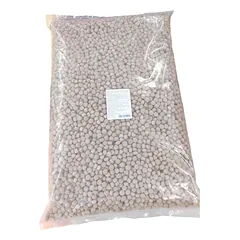
1,70 €/kg
17,02 € / 10 kg
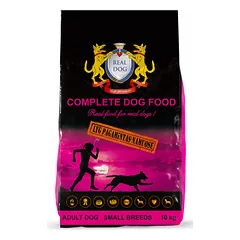
Real Dog
1,78 €/kg
17,79 € / 10 kg
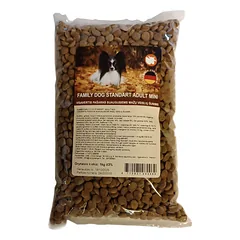
Family Dog
1,89 €/kg
1,89 € / 1 kg
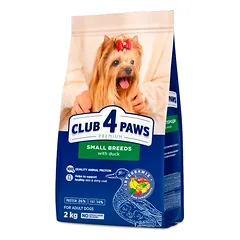
Club 4 Paws
1,93 €/kg
26,99 € / 14 kg
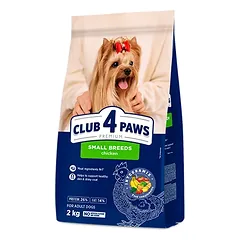
Club 4 Paws
1,93 €/kg
26,99 € / 14 kg
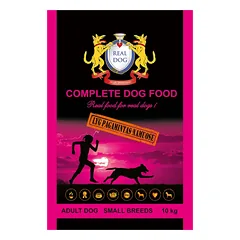
Real Dog
1,94 €/kg
19,42 € / 10 kg
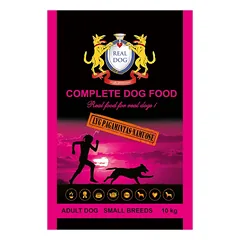
Real Dog
1,95 €/kg
19,49 € / 10 kg