

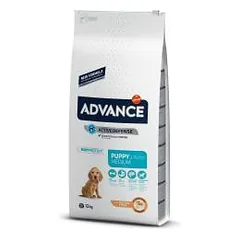
Advance
Advance Puppy Medium sausas maistas vidutinių veislių šuniukams, 12 kg
1,48 €/kg
17,76 € / 12 kg

Also known as: Westgotenspitz, Spitz dos visigodos, Länsigöötanmaanpystykorva, Vaestgoetaspets
This breed is believed to trace back to Viking times, when similarly short legged herding dogs in Scandinavia worked cattle by nipping at their heels and driving them in the right direction. A compact frame of around 14 kilograms on short legs let it stay low and dodge kicks while working. The double coat, with a harsh short to medium length outer layer, sheds heavily, particularly in spring and autumn. Some researchers have speculated the Vallhund may have contributed to the development of the Welsh Corgi, though the link between the two breeds remains debated. Despite its low stature the breed is considered an alert, vocal watchdog. Its temperament tends to be friendly, energetic and curious. Life expectancy runs 12 to 15 years.
Browse dog food sized right for this breed
Swedish Vallhund: how old in human years?
Energy level
Trainability
Family friendly
Grooming need
Males 31–35 cm
Females 31–33 cm
Males 9–14 kg
Females 9–14 kg
Swedish Vallhund's average temperament and family-life score for this breed is high.
Swedish Vallhund's energy and exercise needs are moderate.
Swedish Vallhund's guarding and alertness traits are moderate.
Swedish Vallhund's grooming needs are low.
Your Swedish Vallhund has never met a cow, and that doesn't stop it: when the children start running round the garden, it will soon be trying to gather them into one place. These short-legged dogs drove cattle in Sweden for centuries, darting around their legs, and that fire hasn't gone out. They are alert, curious, full of energy and always ready for a job; a long walk and some daily brainwork matter to them in equal measure.
A Vallhund learns quickly and with obvious pleasure: obedience, tricks, agility or herding exercises all suit it. The key is to steer the herding instinct in the right direction from the very first days, especially with small children in the house, whose heels may catch its interest. It is watchful and will announce every passer-by, every courier and every suspicious leaf, so teaching an "enough" cue early pays off.
In the family it is devoted and cheerful and good with children, while other dogs simply need a proper introduction. It is reserved with strangers at first, but not unfriendly. Thanks to its size and adaptable nature it can live in a flat, provided it gets a good workout outdoors every day; then in the evening it will happily settle beside you and keep an eye on whether everyone in the household is where they should be.
A Swedish Vallhund wears a double coat: under a short, harsh, close-lying outer layer sits a dense, soft undercoat built for Swedish wind and sleet. For most of the year a weekly brush is plenty, and mud simply dries on the harsh coat and falls away. Twice a year, though, the undercoat comes out, and then a daily brush is worth it, or tufts of fluff will roll across your floors like tumbleweed.
Brushing is the best time to check the skin: run your fingers against the lie of the coat and look for ticks, redness or dry patches. Upright ears air well, but glance inside them every week anyway; dark residue or a bad smell is a sign it's time for the vet. Check the eyes after every outing through fields or undergrowth, and because a Vallhund is built low to the ground, look over the belly and chest after a walk too, where wet grass and seeds stick first.
Short legs, a long body and the stamina of a cattle drover: the Swedish Vallhund weighs just nine to fourteen kilos and lives twelve to fifteen years. A few eye conditions are known in the breed, including one discussed specifically in connection with it, along with dental, hip and knee problems. Ask the breeder about the parents' health testing before you take a puppy, and regular vet check-ups will help you catch changes in good time.
This is general information, not veterinary advice. For your own dog's health, tests and treatment, see a vet.
This is an inherited disease of the retina linked specifically to the Swedish Vallhund: the retina changes slowly and sight may weaken over time. You might notice your dog hesitating at the stairs in dim light, running less boldly after dark or bumping into things unexpectedly. Because it is inherited, ask the breeder about the parents' health testing before you choose a puppy, and let a vet assess any change in vision.
The lens of the eye, which should be as clear as glass, starts to cloud over, and less and less light gets through. You may notice a bluish-white or milky haze in the centre of the eye, and later that your dog no longer catches a ball quite so neatly. A Vallhund is a nimble herder that relies on its eyes at every turn, so show any change in the eye to a vet.
Plaque and tartar build up on the teeth, the gums become inflamed, and over time the tissues holding the teeth can suffer too. You may notice bad breath, red gums, brown deposits on the teeth or a dog that chews on one side only. Teach your Swedish Vallhund puppy to let you look into its mouth, and have a vet check its teeth every year.
The hip joint develops imperfectly, the ball of the thigh bone moves too loosely in its socket, and the joint wears over time. You might notice stiffness after rest, a swaying gait, or reluctance to jump onto a sofa it used to hop onto without effort. A Swedish Vallhund is small but athletic, so even a slight change in how it moves is worth showing to a vet.
The kneecap, a small bone at the front of the knee, slides out of its groove, and the leg briefly stops bending properly. You might see your dog suddenly hop on three legs mid-run, then carry on as if nothing happened a few strides later. A Swedish Vallhund spends its day spinning, braking and jumping, which puts its knees to work, so show that skip to a vet.
This list is chosen by the breed's weight (14 kg) rather than the breed itself: shops label food by dog size, so every breed of the same size gets the same list. Prices are updated daily.
≈ 185 g of dry food a day, from €10,09 a month For a neutered, normally active 11,5 kg dog. Calculate for your dog
Advance
1,48 €/kg
17,76 € / 12 kg
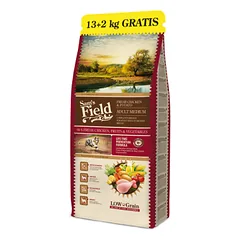
Sam's Field
1,80 €/kg
26,99 € / 15 kg

Country Dog
1,89 €/kg
28,29 € / 15 kg
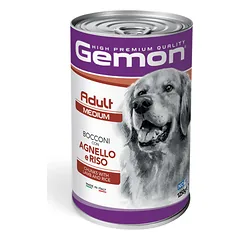
Gemon
1,94 €/kg
2,42 € / 1,3 kg
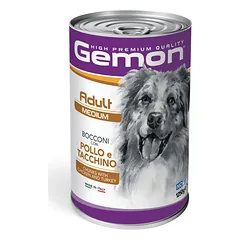
Gemon
1,94 €/kg
2,42 € / 1,3 kg
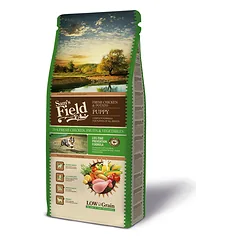
Sam's Field
2,11 €/kg
27,45 € / 13 kg
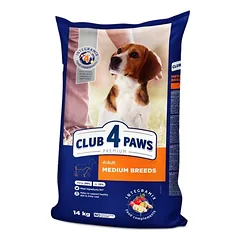
2,14 €/kg
30,00 € / 14 kg
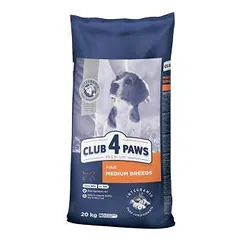
Club 4 Paws
2,15 €/kg
42,99 € / 20 kg