


Josera
Josera Kids 12,5kg + 2,5kg = 15 kg
1,38 €/kg
37,89 € / 27,5 kg

Also known as: Ibizan Podenco, Ibizan hound, Podenco Ibizenco
The Ibizan Hound comes from the Balearic Islands, where hunters used it to catch rabbits across rocky, scrub-covered ground, often working without a gun at all. The large, upright ears aren't just for looks, they let the dog track prey moving underground or through thick brush by sound alone. The frame is lean and athletic, males rarely top 25 kilograms, and a standing jump can clear more than two meters with the front legs lifted high. The coat comes in smooth or wire varieties, and neither needs much upkeep. Indoors this hound often acts like a cat, seeking out high perches and staying surprisingly clean. Despite its hunting background it tends to be affectionate with people, though small pets can trigger its chase drive. Life expectancy runs 11 to 14 years.
Browse dog food sized right for this breed
Ibizan Hound (Podenco Ibicenco): how old in human years?
Energy level
Trainability
Family friendly
Grooming need
Males 66–72 cm
Females 60–67 cm
Males 23–25 kg
Females 19–23 kg
Ibizan Hound (Podenco Ibicenco)'s average temperament and family-life score for this breed is moderate.
Ibizan Hound (Podenco Ibicenco)'s energy and exercise needs are high.
Ibizan Hound (Podenco Ibicenco)'s guarding and alertness traits are low.
Ibizan Hound (Podenco Ibicenco)'s grooming needs are low.
From a standstill, with no run-up, an Ibizan Hound can clear a fence so high it will leave your jaw hanging. It was bred on the Balearic Islands to hunt rabbits over rocky ground, and that passion for the chase hasn't gone anywhere: when it spots a running hare or cat, it forgets everything, your voice included. So it can only run free in a securely fenced area with a genuinely tall fence, and life with it is risky for small pets.
It needs to move a lot and fast: long walks and, ideally, chances to stretch out at full speed. It can learn, but likes to decide for itself whether something is worth its time, so short, cheerful sessions with treats achieve more than a stern tone. Recall needs patience too: those ears hear everything, but don't always listen.
Indoors it is surprisingly calm; once it has had its run, it can lie for hours on the softest spot in the house. It bonds closely with its people and watches strangers with reserve, from a distance. It rarely barks, but if it gets too little exercise, its ingenuity will start testing the catches on your cupboards and fridge.
An Ibizan Hound comes smooth-coated or wire-coated, and either way the coat is easy to look after. A smooth coat needs no more than a weekly going-over with a rubber mitt or soft brush, a wire coat a quick comb; both shed lightly. Baths are rarely needed, only when your dog finds something that smells wonderful to it and not to you.
The thin coat gives the skin little protection, so after a run through scrub, pass a hand along the flanks and legs to check for scratches and ticks. Those huge upright ears are well aired, but dust and seeds get into them easily, so look inside once a week. Check the eyes when you come in from outside, and take a red or cloudy one to the vet. On a cold, wet day this Mediterranean dog will gladly wear a coat.
Long legs, huge upright ears and a lean body that looks cast in bronze: an Ibizan Hound appears fragile but is in fact hardy, and can live eleven to fourteen years. A few conditions are linked to the breed, from the thyroid to the eyes and hearing, so it pays to know your dog well and notice when it behaves differently from usual. When in doubt, talk to a vet, and if you are getting a puppy, ask the breeder about the parents' health testing.
This is general information, not veterinary advice. For your own dog's health, tests and treatment, see a vet.
The thyroid gland makes too little hormone, and the whole body seems to slow down. You might notice a normally lively hound trailing listlessly on walks, putting on weight without eating more, feeling the cold or losing coat. The changes creep in slowly, so if your dog seems to dim over a few months, take it to a vet.
Some puppies are born deaf in one or both ears. A deaf puppy may not respond to its name, sleep soundly through noise, or startle when approached from behind. A puppy's hearing is worth discussing with a vet, and when buying, ask the breeder about the parents' health testing; a deaf Ibizan can live a full life, but shouldn't be let off the lead.
The hip joint forms badly, so it wears faster and over time becomes painful. You might notice your dog getting up more slowly, avoiding jumps or developing a swaying gait. An Ibizan is a born jumper, so when it suddenly stops wanting to leap, it is time to talk to a vet.
This umbrella term covers a range of eye problems, from clouding of the lens to changes in the retina. Watch for a cloudy or red eye, weeping, a squinting lid, or a dog that becomes unsure of itself at dusk. A hunter that checks the world with its eyes and ears feels changes in its sight keenly, so show them to a vet early.
This list is chosen by the breed's weight (25 kg) rather than the breed itself: shops label food by dog size, so every breed of the same size gets the same list. Prices are updated daily.
≈ 305 g of dry food a day, from €16,70 a month For a neutered, normally active 22,5 kg dog. Calculate for your dog
Josera
1,38 €/kg
37,89 € / 27,5 kg

Sam's Field
1,80 €/kg
26,99 € / 15 kg

Country Dog
1,89 €/kg
28,29 € / 15 kg

Club 4 Paws
1,92 €/kg
26,94 € / 14 kg

Diamant
1,93 €/kg
28,99 € / 15 kg
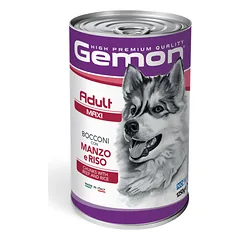
Gemon
1,94 €/kg
2,42 € / 1,3 kg

BIO FORM
2,00 €/kg
40,00 € / 20 kg

BIO FORM
2,00 €/kg
40,00 € / 20 kg