

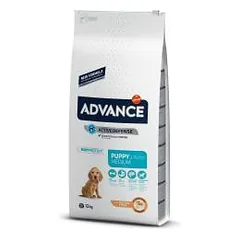
Advance
Advance Puppy Medium sausas maistas vidutinių veislių šuniukams, 12 kg
1,48 €/kg
17,76 € / 12 kg

Also known as: Riesenschnauzer, Shnowzer, Shnauser, Schnuazer, Schnowtser
The Standard Schnauzer is the original breed behind the whole Schnauzer family name: in 19th-century Germany it worked farms as a ratter, guard, and companion to cart drivers heading to market. Both the smaller Miniature and the larger Giant were later bred down or up from this base, changing size while keeping much of the temperament intact. The wiry coat with its dense undercoat needs periodic hand-stripping to keep its proper texture, not just clipping. A male weighs around 20 kilograms, with a square, muscular build carrying no excess weight. The breed is known for sharp intelligence and alertness, which makes it a natural watchdog but also means it needs mental work to stay content. Life expectancy runs 13 to 16 years.
Browse dog food sized right for this breed
Standard Schnauzer: how old in human years?
Energy level
Trainability
Family friendly
Grooming need
Males 45–50 cm
Females 45–50 cm
Males 14–20 kg
Females 14–20 kg
Standard Schnauzer's average temperament and family-life score for this breed is high.
Standard Schnauzer's energy and exercise needs are moderate.
Standard Schnauzer's guarding and alertness traits are high.
Standard Schnauzer's grooming needs are low.
The neighbour's cat on the fence, a new box in the hallway, the courier who has only just turned into your street: a Standard Schnauzer notices all of it first. It is a born watchdog and will report every event loudly and persuasively, so teach a quiet cue before the neighbours learn your surname. It is devoted to its family and good with children, while strangers get a careful once-over before any verdict.
This is a clever, energetic dog that needs both exercise and a job. A morning walk, a run beside your bike or a game in the garden, then a little scent work or obedience in the evening, and your Schnauzer will be content. It learns fast, sometimes too fast: if a lesson gets boring, it will invent a more interesting version on its own. Short, varied sessions and clear rules suit it best. A flat is fine if the dog gets enough to do each day, but a bored Schnauzer soon appoints itself inspector of the kitchen bin.
A Standard Schnauzer's coat is wire: a hard, harsh topcoat over a dense undercoat. It hardly sheds on the floor, but there is a catch: dead hair stays in the coat until someone takes it out. The classic method is hand-stripping a few times a year, which keeps the coat harsh and its colour rich; clipping is easier, but the coat gradually turns softer and paler. In between, comb out the leg furnishings and the beard several times a week, as that is where mats form and grass seeds hide.
The beard is a subject of its own: after every meal and drink it drips across the floor and soaks up the smell of dinner, so a damp cloth by the bowl will earn its keep daily. Stripping or combing is a good moment to feel the skin for bumps or scabs. Wipe the eyes now and then and check that hair from those bushy brows is not poking into them. Once a week, lift the folded ears and check that the inside is clean and does not smell.
The beard, the eyebrows and that square, sturdy frame hint at a dog that was never meant to be pampered, and the Standard Schnauzer really is a robust, long-lived worker. There are still a few health areas worth knowing about: joints, eyes, heart, thyroid, blood clotting, the urinary tract and skin. Each of them can show itself through small changes, so an observant owner and regular vet check-ups do the heavy lifting.
This is general information, not veterinary advice. For your own dog's health, tests and treatment, see a vet.
Hip dysplasia is a fault in how the hip joint forms as the puppy grows: the ball and socket do not fit snugly, the joint moves more loosely than it should, and it wears over time. You might notice your dog getting up slowly after a rest, hesitating on stairs, or pushing off with both hind legs together when running. Sound hips matter a lot to an active Schnauzer, so ask the breeder about the parents' health testing.
A cataract is a clouding of the lens inside the eye, so the world starts to look as if seen through a fogged-up window. You may spot a greyish or white shine deep in the pupil, or your dog begins to move more cautiously at dusk and bump into things. An alert, watchful Schnauzer can adapt well, which is exactly why the first signs are easy to miss, so show any cloudiness to the vet.
Retinal dysplasia is a fault in how the retina, the light-sensitive layer at the back of the eye, develops, with its layers forming unevenly. In mild cases an owner may see nothing at all; in more marked ones the dog finds its way less surely, especially in dim light or unfamiliar places. Only a vet can examine the back of the eye, so if you are getting a puppy, ask the breeder about the parents' health testing.
Pulmonic stenosis is a heart defect present from birth: the passage that carries blood from the heart to the lungs is narrowed, so the heart has to work harder. In mild cases the dog seems perfectly well; in more marked ones it tires quickly, breathes hard with exercise or even faints, and a sudden collapse needs a vet immediately. Sometimes the first clue is a heart murmur the vet hears at a puppy check, so don't skip those appointments.
When the thyroid gland makes too little hormone, the whole body seems to slow down. A lively Schnauzer turns sluggish, seeks out warm spots, puts on weight while eating the same, and the coat loses its shine or thins. These changes creep in slowly and are easy to blame on age, but a vet can check for this with blood tests.
Hemophilia A is an inherited clotting disorder: one of the blood's clotting factors is missing, so even a small wound bleeds longer than it should. You might notice a little cut that won't stop, bruises with no clear cause, or bleeding gums while the puppy teeth change. If you know about it, always tell the vet before any procedure, and if you are getting a puppy, ask the breeder about the parents' health testing.
Minerals dissolved in urine sometimes crystallise and form small stones in the bladder that irritate its wall. The dog asks to go out more than usual, squats for a long time and passes only a few drops, sometimes tinged with blood. If your Schnauzer strains and nothing comes out at all, that is an emergency and a vet is needed immediately.
Follicular dermatitis is inflammation of the hair follicles, with small bumps, scabs or pimples in the skin and sometimes hair falling out around them. On a harsh Schnauzer coat you may not see anything, but run your fingers through it and you will feel the little bumps, for example along the back. When you strip or clip the coat, look at the skin, and show any such changes to the vet.
This list is chosen by the breed's weight (20 kg) rather than the breed itself: shops label food by dog size, so every breed of the same size gets the same list. Prices are updated daily.
≈ 245 g of dry food a day, from €13,54 a month For a neutered, normally active 17 kg dog. Calculate for your dog
Advance
1,48 €/kg
17,76 € / 12 kg
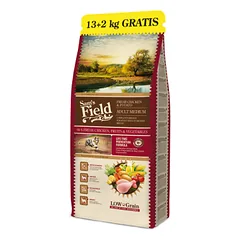
Sam's Field
1,80 €/kg
26,99 € / 15 kg

Country Dog
1,89 €/kg
28,29 € / 15 kg
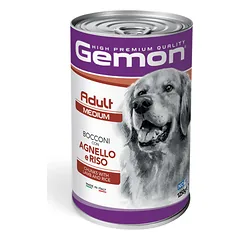
Gemon
1,94 €/kg
2,42 € / 1,3 kg
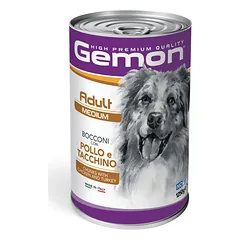
Gemon
1,94 €/kg
2,42 € / 1,3 kg
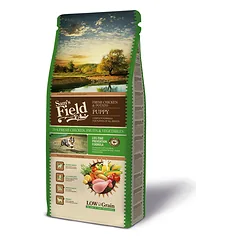
Sam's Field
2,11 €/kg
27,45 € / 13 kg
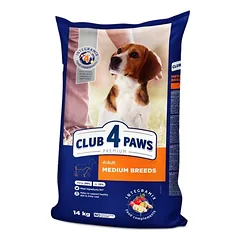
2,14 €/kg
30,00 € / 14 kg
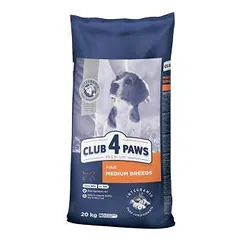
Club 4 Paws
2,15 €/kg
42,99 € / 20 kg