

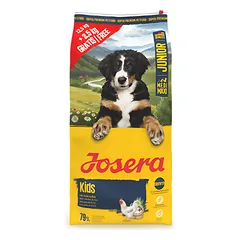
Josera
Josera Kids 12,5kg + 2,5kg = 15 kg
1,38 €/kg
37,89 € / 27,5 kg

Also known as: Cuvac, Tatra Chuvach
The Slovak Cuvac guarded sheep flocks in the Slovak Carpathians against wolves for centuries, working alongside shepherds on high mountain pastures. Its long white double coat let it be told apart from a predator at night, much like the Pyrenean Mountain Dog. An adult male can weigh up to 44 kilograms, built for strength and endurance rather than speed. The breed was nearly forgotten during the Soviet era and was rebuilt after the war by a small group of dedicated enthusiasts. The thick coat needs serious grooming, especially during heavy seasonal shedding. Independent and watchful by nature, it guards territory without needing to be taught. Early socialisation matters, so its protective instinct doesn't tip into excessive wariness of guests. Life expectancy runs 11 to 13 years.
Browse dog food sized right for this breed
Slovak Cuvac: how old in human years?
Energy level
Trainability
Family friendly
Grooming need
Males 62–70 cm
Females 59–65 cm
Males 31–44 kg
Females 25–37 kg
Slovak Cuvac's average temperament and family-life score for this breed is moderate.
Slovak Cuvac's energy and exercise needs are moderate.
Slovak Cuvac's guarding and alertness traits are high.
Slovak Cuvac's grooming needs are moderate.
Two in the morning, and something rustles in the yard. You didn't hear it, but your Slovak Cuvac did, and it is already standing at the fence, its deep bark letting the whole village know who is in charge here. For centuries this breed guarded flocks of sheep against wolves and bears in the Slovak mountains, and the job is in its bones: it is alert, independent and makes up its own mind about what counts as a threat.
A flat is not for this dog. It needs a yard with a solid fence and a territory to patrol, plus long daily walks, because it likes to move, though without a terrier's frenzy. It can learn, but it won't obey blindly: it needs a calm, consistent owner who doesn't out-shout it but comes to an understanding with it. Start early with a puppy and introduce it to plenty of people, sounds and places, so that as an adult it can tell a guest from an intruder.
With its own family a Slovak Cuvac is gentle and devoted, and it treats the children as a flock to watch over. With strangers it is reserved or downright wary, which isn't a flaw but its profession. It doesn't always get along with other dogs, especially ones of a similar stamp, so make new introductions slowly. If you want a quiet companion for a city flat, this isn't your dog; if you have a house in the country and want to sleep soundly, you will struggle to find a better one.
A Slovak Cuvac wears a long, thick double coat: beneath the outer hair sits a dense undercoat that once kept out mountain wind and snow. Once or twice a week, comb right down to the skin, especially behind the ears, around the neck, on the breeches and along the tail, where tangles form first. Shedding is generous, and when the undercoat changes, tufts of hair will roll across your floor like tumbleweed; in those weeks keep the comb within daily reach and the vacuum cleaner close by.
Baths are rarely needed: a well-combed coat largely sheds dirt on its own, and once dry the mud simply brushes out. As you comb, check the skin, since ticks and scratches hide easily in a coat this thick. Lift the drop ears once a week and look inside, and trim the hair between the paw pads when it grows long, so snowballs don't build up there in winter.
We don't have reliable health information specific to this breed, so we don't list conditions here. Keep up regular vet check-ups, and if you are getting a puppy, ask the breeder about the parents' health testing.
This is general information, not veterinary advice. For your own dog's health, tests and treatment, see a vet.
This list is chosen by the breed's weight (44 kg) rather than the breed itself: shops label food by dog size, so every breed of the same size gets the same list. Prices are updated daily.
≈ 420 g of dry food a day, from €22,91 a month For a neutered, normally active 34,3 kg dog. Calculate for your dog
Josera
1,38 €/kg
37,89 € / 27,5 kg
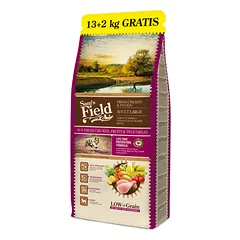
Sam's Field
1,80 €/kg
26,99 € / 15 kg

Country Dog
1,89 €/kg
28,29 € / 15 kg
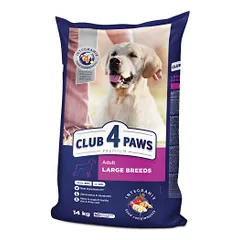
Club 4 Paws
1,92 €/kg
26,94 € / 14 kg
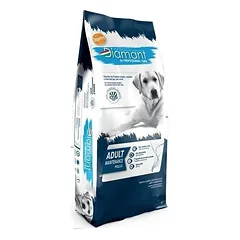
Diamant
1,93 €/kg
28,99 € / 15 kg
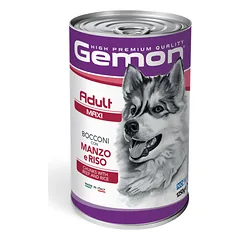
Gemon
1,94 €/kg
2,42 € / 1,3 kg

BIO FORM
2,00 €/kg
40,00 € / 20 kg

BIO FORM
2,00 €/kg
40,00 € / 20 kg