

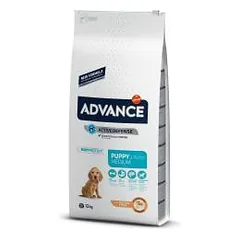
Advance
Advance Puppy Medium sausas maistas vidutinių veislių šuniukams, 12 kg
1,48 €/kg
17,76 € / 12 kg

On Scotland's Isle of Skye this breed was bred to hunt fox and badger, later becoming a fashionable pet among Victorian aristocracy, helped along by Queen Victoria's own fondness for it. The long, straight, hard coat covers nearly the whole body, including the eyes, and needs careful, frequent brushing to stay in order. The frame is long and low, up to 11.5 kilograms, giving it proportions similar to a dwarf terrier. The legend of Greyfriars Bobby, the dog who reportedly guarded his owner's grave in Edinburgh for thirteen years, is tied to this breed. Deeply loyal to family, it stays reserved to the point of coolness with strangers. Life expectancy runs 12 to 14 years.
Browse dog food sized right for this breed
Skye Terrier: how old in human years?
Energy level
Trainability
Family friendly
Grooming need
Males 25–26 cm
Females 25–26 cm
Males 11–11.5 kg
Females 10–11 kg
Skye Terrier's average temperament and family-life score for this breed is moderate.
Skye Terrier's energy and exercise needs are moderate.
Skye Terrier's guarding and alertness traits are moderate.
Skye Terrier's grooming needs are moderate.
From a distance he looks like a broom that has grown legs; up close, like a dignified Scottish laird in no hurry at all. The Skye Terrier comes from the islands off Scotland's west coast, and terrier or not, his energy needs are modest: a couple of calm walks a day and a little play indoors keep him entirely content. That makes him a good fit for a city flat, as long as there aren't endless stairs to climb every day.
He is clever and very independent: he understands what you want, but doesn't always agree it's worth doing. Train him in short, calm sessions with patience rather than sternness. Early socialisation with people and dogs matters most, because by nature he is reserved with strangers and not always keen on other dogs.
To his own people he is devoted to the last hair, and he tends to attach himself most firmly to one member of the family. He is too serious and too short on patience for small, noisy children, and gets on better with older, calmer ones. He will announce a footstep outside the door in a voice you wouldn't expect from a dog so close to the ground, but he doesn't bark all day for nothing.
The Skye Terrier's coat is his glory and your weekend hobby: a long, hard, straight outer coat that falls down both sides of the body like a curtain, over a soft, dense undercoat. He sheds little, but that does not mean little work: without regular brushing the undercoat mats, especially behind the ears, in the armpits and on the chest. Two or three times a week, brush right down to the skin and check it as you go; show redness, flakes or scratching to your vet.
The long hair falls over the face too, so check the corners of the eyes every day and wipe them gently with a damp cloth; show a red or watering eye to your vet. The ears may stand up or hang down, but either way they are fringed with long hair, so look inside them once a week. After a wet walk, dry his belly and legs: the coat almost sweeps the ground and picks up everything it finds.
The Skye Terrier is small but sturdy and can live twelve to fourteen years. Two conditions are linked to the breed: cancer and joint dysplasia. Neither means your dog will get it, but both are worth knowing about. If you are getting a puppy, ask the breeder about the parents' health testing, and keep an older dog on a regular schedule of vet visits.
This is general information, not veterinary advice. For your own dog's health, tests and treatment, see a vet.
Cancer is a group of diseases in which cells in some tissue start multiplying out of control and form tumours. A lump is easy to miss under a Skye's long coat, so when you brush, feel the skin with your fingers too: show a new lump, a sore that won't heal or unexplained weight loss to your vet. The earlier a change is spotted, the more options your vet has.
Dysplasia means a hip or elbow joint has formed badly, so it wears faster and can become painful. You might notice limping, stiffness when getting up after a nap, or reluctance on the stairs. A Skye is long and low, and changes in gait are not always easy to see under all that coat, so watch how he moves and show any limping to your vet.
This list is chosen by the breed's weight (12 kg) rather than the breed itself: shops label food by dog size, so every breed of the same size gets the same list. Prices are updated daily.
≈ 175 g of dry food a day, from €9,70 a month For a neutered, normally active 10,9 kg dog. Calculate for your dog
Advance
1,48 €/kg
17,76 € / 12 kg
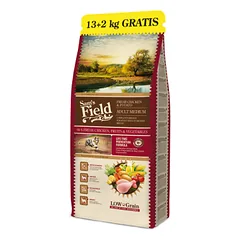
Sam's Field
1,80 €/kg
26,99 € / 15 kg

Country Dog
1,89 €/kg
28,29 € / 15 kg
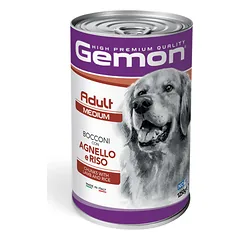
Gemon
1,94 €/kg
2,42 € / 1,3 kg
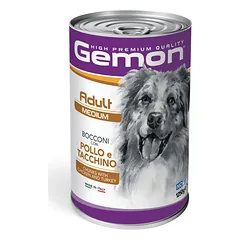
Gemon
1,94 €/kg
2,42 € / 1,3 kg
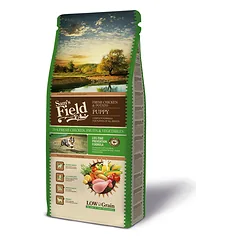
Sam's Field
2,11 €/kg
27,45 € / 13 kg
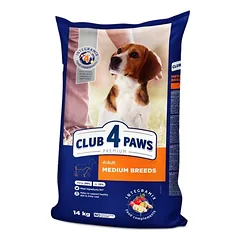
2,14 €/kg
30,00 € / 14 kg
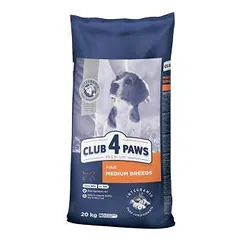
Club 4 Paws
2,15 €/kg
42,99 € / 20 kg