


VetExpert
Raw Paleo Dog Ultra Mini Puppy Beef 750 kg
0,02 €/kg
13,09 € / 750 kg

The smallest of the British terriers, this breed shares its roots with the Manchester Terrier and was popular in Victorian England as a ratter working warehouses and homes in the cities. An adult weighs only around 3.6 kilograms, and the smooth, close lying coat needs almost no grooming. In the 19th century these dogs competed in wagered rat killing contests, where speed and aggression toward rodents mattered more than size. Despite its small, decorative look, the breed kept a sharp, alert character and a tendency to bond strongly with one person or household. Because of its small frame and thin coat it's fairly sensitive to cold and isn't suited to spending much time outdoors. Popularity dropped sharply through the 20th century, and it remains one of the rarer British breeds today. Life expectancy runs 12 to 14 years.
Browse dog food sized right for this breed
English Toy Terrier (Black & Tan): how old in human years?
Energy level
Trainability
Family friendly
Grooming need
Males 25–30 cm
Females 25–30 cm
Males 2.7–3.6 kg
Females 2.7–3.2 kg
English Toy Terrier (Black & Tan)'s average temperament and family-life score for this breed is moderate.
English Toy Terrier (Black & Tan)'s energy and exercise needs are moderate.
English Toy Terrier (Black & Tan)'s guarding and alertness traits are low.
English Toy Terrier (Black & Tan)'s grooming needs are low.
His ancestors were ratting dogs in Victorian England, and that spark never went out, even though the whole dog now weighs less than a bag of shopping. The English Toy Terrier is alert, quick and nosy: no rustle in the hallway goes unreported. He doesn't need long miles, just a few short walks a day and some play indoors, which makes him a natural fit for flat life. But he is a terrier, not a cushion, and without something to do he'll invent his own entertainment, usually a loud one.
He learns fast, being bright and fond of attention, though terrier stubbornness pops up now and then. Short, cheerful sessions with treats work best, and the tricks he picks up will impress your guests. Socialise him early: he isn't naturally keen on other dogs, and he'll happily try to put a large one in its place without a single thought about his own size.
With his own people he is devoted heart and soul and would rather be wherever you are, ideally on your lap. He's reserved with strangers, and around small children some caution is wise: a dog this fragile can be hurt by a careless hug or a jump from someone's arms, and his patience for rough play has limits. In a calm household, or with older children who know how to handle him, this little dog is a lively, loyal companion with a personality many times his size.
The coat is short, smooth and close, black with tan markings and a shine like freshly polished shoes. There is almost nothing to brush: once a week, go over your English Toy Terrier with a soft rubber mitt or a damp cloth and you're done. Shedding is minimal, there's barely any doggy smell, and baths are rarely needed. The catch is that such a thin coat offers little warmth, so a jacket earns its place on a wet November evening or in winter, and a wet dog is worth a rub with a towel when you get home.
Because the coat hides nothing, checking the skin is easy: once a week, run a hand over the whole body and look for redness, scrapes or lumps. A dog this light wears down very little nail, so trim them regularly, whenever you hear clicking on the floor. Look inside the upright ears once a week, and don't forget teeth in such a small mouth; your vet will check them at every visit.
We don't have reliable health information specific to this breed, so we don't list conditions here. Keep up regular vet check-ups, and if you are getting a puppy, ask the breeder about the parents' health testing.
This is general information, not veterinary advice. For your own dog's health, tests and treatment, see a vet.
This list is chosen by the breed's weight (4 kg) rather than the breed itself: shops label food by dog size, so every breed of the same size gets the same list. Prices are updated daily.
≈ 69 g of dry food a day, from €3,78 a month For a neutered, normally active 3,1 kg dog. Calculate for your dog
VetExpert
0,02 €/kg
13,09 € / 750 kg
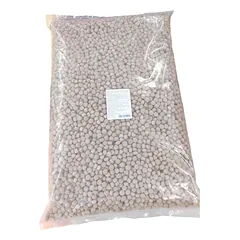
1,70 €/kg
17,02 € / 10 kg

Real Dog
1,78 €/kg
17,79 € / 10 kg
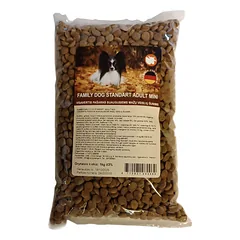
Family Dog
1,89 €/kg
1,89 € / 1 kg
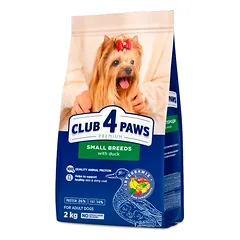
Club 4 Paws
1,93 €/kg
26,99 € / 14 kg
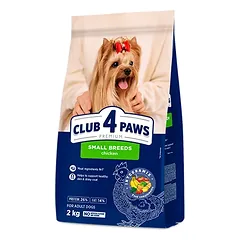
Club 4 Paws
1,93 €/kg
26,99 € / 14 kg

Real Dog
1,94 €/kg
19,42 € / 10 kg

Real Dog
1,95 €/kg
19,49 € / 10 kg