

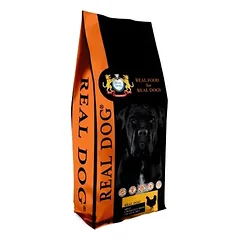
Real Dog
Real Dog sausas maistas suaugusiems, didelių-milžiniškų veislių, šunims su vištiena ir ryžiais 20kg
2,11 €/kg
42,15 € / 20 kg

The Landseer is a black and white Newfoundland-type dog, named after English painter Edwin Landseer, who in the 19th century painted dogs of exactly this coloring. The European continental version was eventually split off as its own breed from the classic Newfoundland, though both were kept for water rescue work, swimming in cold seas to pull a drowning person to shore. A water-resistant double coat and broad, webbed feet make it a strong swimmer despite a male frame that can reach 70 kilograms. That size means it needs room to grow and careful monitoring of joint development while young. Temperamentally it tends to be calm and patient. Life expectancy runs 9 to 10 years.
Browse dog food sized right for this breed
Landseer (European Continental type): how old in human years?
Energy level
Trainability
Family friendly
Grooming need
Males 72–80 cm
Females 67–72 cm
Males 60–70 kg
Females 45–55 kg
Landseer (European Continental type)'s average temperament and family-life score for this breed is high.
Landseer (European Continental type)'s energy and exercise needs are low.
Landseer (European Continental type)'s guarding and alertness traits are low.
Landseer (European Continental type)'s grooming needs are high.
A walk along a lake with a Landseer rarely ends dry. The moment it spots water, seventy kilos of black and white is already swimming, and when it comes back it waits politely until it is standing right next to you before it shakes. It belongs to the same family as the great water-rescue dogs, and you can feel it in its whole temperament: calm, unhurried, dependable.
It has energy, but not the explosive kind; a couple of good walks a day and the odd chance to swim keep it content. It enjoys learning and catches on quickly, especially when praise comes gently; harshness gets you nowhere with this sensitive dog. Because the puppy becomes a giant within a year, teach loose-lead walking and calm greetings while it still fits on your lap.
In a family, the Landseer is a soft heart: patient with children, friendly to visitors, easy-going with other dogs. It barks little and makes a poor guard, though it will let you know someone has arrived. It is too big and too hairy for a flat; it does best in a house with a garden to stretch out in, with owners who don't mind a little drool on their trousers.
The Landseer's black-and-white coat comes in two layers: a flat, water-resistant outer coat and a dense undercoat beneath it. It is built for wet weather, and it sheds generously, so plan on brushing a few times a week and daily when the undercoat is coming out. Work right down to the skin, especially behind the ears, around the neck and on the trousers of the hind legs, where the undercoat likes to felt. After a swim, let the coat dry properly, because damp lingers for a long time under that much hair.
The other thing to prepare for is drool. A Landseer drools freely, so keep a towel by the door and another by the water bowl, and wipe the lip folds every day so the skin there doesn't stay damp. Once a week, lift the drop ears and check that they are clean, odour-free and not red inside, and trim the nails if walking doesn't wear them down.
We don't have reliable health information specific to this breed, so we don't list conditions here. Keep up regular vet check-ups, and if you are getting a puppy, ask the breeder about the parents' health testing.
This is general information, not veterinary advice. For your own dog's health, tests and treatment, see a vet.
This list is chosen by the breed's weight (70 kg) rather than the breed itself: shops label food by dog size, so every breed of the same size gets the same list. Prices are updated daily.
≈ 615 g of dry food a day, from €33,88 a month For a neutered, normally active 57,5 kg dog. Calculate for your dog
Real Dog
2,11 €/kg
42,15 € / 20 kg
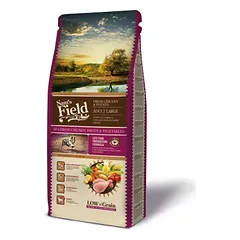
Sam's Field
2,56 €/kg
33,26 € / 13 kg
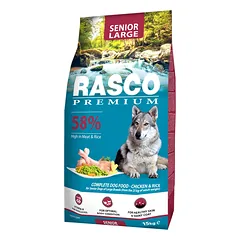
Rasco
2,67 €/kg
39,99 € / 15 kg
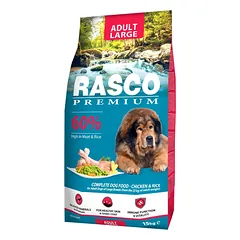
Rasco
2,67 €/kg
39,99 € / 15 kg
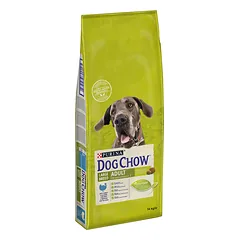
Purina
2,71 €/kg
37,96 € / 14 kg
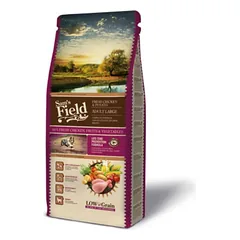
Sam's Field
2,77 €/kg
35,99 € / 13 kg
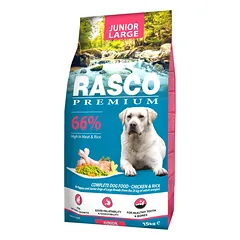
Rasco
2,80 €/kg
41,99 € / 15 kg
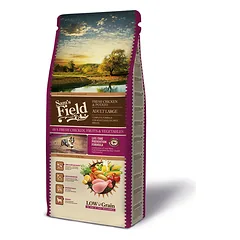
Sam's Field
2,85 €/kg
37,04 € / 13 kg