

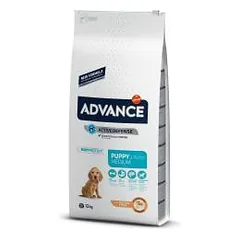
Advance
Advance Puppy Medium sausas maistas vidutinių veislių šuniukams, 12 kg
1,48 €/kg
17,76 € / 12 kg

Also known as: Czech Terrier
The Cesky Terrier is one of the youngest FCI-recognized breeds, created in 1949 by Czech cynologist František Horák, who crossed the Sealyham Terrier with the Scottish Terrier to produce a calmer, less aggressive terrier suited to den hunting. The silky, wavy coat differs from the harsh coat typical of most terriers and calls for regular clipping rather than hand-stripping. Weighing only around 10 kilograms, it tends to be quieter than a typical terrier, though it still keeps the instinct to dig and investigate burrows. At home it is generally reserved but affectionate with its family. Life expectancy runs 12 to 15 years.
Browse dog food sized right for this breed
Cesky Terrier: how old in human years?
Energy level
Trainability
Family friendly
Grooming need
Males 25–32 cm
Females 25–32 cm
Males 6–10 kg
Females 6–10 kg
Cesky Terrier's average temperament and family-life score for this breed is moderate.
Cesky Terrier's energy and exercise needs are moderate.
Cesky Terrier's guarding and alertness traits are low.
Cesky Terrier's grooming needs are low.
Bearded, long in the body and low to the ground, with a calm, almost philosophical face: a Cesky Terrier looks like a terrier that decided to relax a little. It was bred in the Czech lands to hunt underground, and it has kept the hunter's nose and persistence, yet at home it is far calmer and more amenable than many of its relatives.
A couple of moderate walks a day, some sniffing and a game with you are plenty, so it settles happily into a flat. It learns willingly and quickly, especially with gentle, treat-based training, although off the lead it may still follow a scent trail, so keep it leashed near roads. Cats in the garden and other small animals may strike it as far too interesting.
With its family, children included, a Cesky Terrier is friendly and patient, and it likes to be close by and involved in whatever is going on. It is reserved with strangers at first and will announce them, but without hysterics. If you want a small, sturdy dog with a terrier's character but without a terrier's racket, this bearded fellow deserves a look.
A Cesky Terrier has a long, silky, wavy coat that barely sheds, but there is no such thing as a free lunch: the dead hair stays in the coat and, unless you comb it out, it soon tangles. Comb several times a week, right down to the skin, especially the beard, the eyebrows, the "skirt" on the belly and legs, and the armpits. The beard will be wet after every meal and drink, so give it a wipe to stop it matting or starting to smell.
Every few weeks the coat needs trimming: traditionally the back and sides are clipped shorter, while the beard, eyebrows and legs are left longer. You can learn to do this yourself or hand it to a groomer. Keep the hair between the paw pads and around the eyes short, lift the drop ears each week to look inside, and trim the nails regularly.
We don't have reliable health information specific to this breed, so we don't list conditions here. Keep up regular vet check-ups, and if you are getting a puppy, ask the breeder about the parents' health testing.
This is general information, not veterinary advice. For your own dog's health, tests and treatment, see a vet.
This list is chosen by the breed's weight (10 kg) rather than the breed itself: shops label food by dog size, so every breed of the same size gets the same list. Prices are updated daily.
≈ 140 g of dry food a day, from €7,70 a month For a neutered, normally active 8 kg dog. Calculate for your dog
Advance
1,48 €/kg
17,76 € / 12 kg
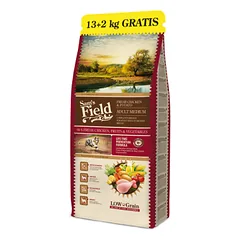
Sam's Field
1,80 €/kg
26,99 € / 15 kg

Country Dog
1,89 €/kg
28,29 € / 15 kg
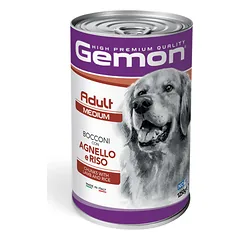
Gemon
1,94 €/kg
2,42 € / 1,3 kg
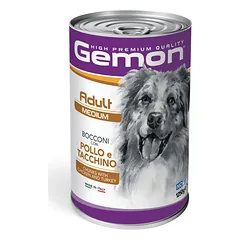
Gemon
1,94 €/kg
2,42 € / 1,3 kg
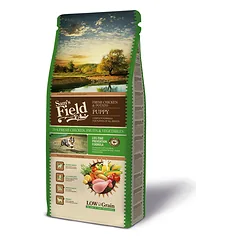
Sam's Field
2,11 €/kg
27,45 € / 13 kg
2,14 €/kg
30,00 € / 14 kg

Club 4 Paws
2,15 €/kg
42,99 € / 20 kg