

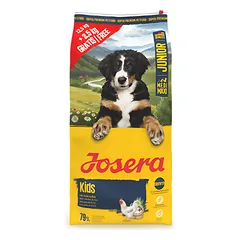
Josera
Josera Kids 12,5kg + 2,5kg = 15 kg
1,38 €/kg
37,89 € / 27,5 kg

Also known as: Atlas Shepherd Dog
The Aidi originates from Morocco's Atlas Mountains, where Berber tribes kept it to guard flocks and camps against predators, a role that sets it apart from the related Sloughi, which hunted by speed. The short to medium, dense coat handles swings in mountain climate. A build up to 30 kilograms stays sturdy and watchful, and loud barking remains its primary guarding tool to this day. The breed needs firm, early socialization, since it is naturally wary of strangers. With family it tends to be loyal but not especially demanding of affection. Life expectancy runs 10 to 12 years.
Browse dog food sized right for this breed
Aidi (Atlas Mountain Dog): how old in human years?
Energy level
Trainability
Family friendly
Grooming need
Males 52–62 cm
Females 50–60 cm
Males 23–30 kg
Females 20–27 kg
Aidi (Atlas Mountain Dog)'s average temperament and family-life score for this breed is low.
Aidi (Atlas Mountain Dog)'s energy and exercise needs are moderate.
Aidi (Atlas Mountain Dog)'s guarding and alertness traits are high.
Aidi (Atlas Mountain Dog)'s grooming needs are low.
Midnight, a rustle in the yard, and your Aidi is already at the gate announcing to the whole street that this is his ground. He is a guardian from the Moroccan mountains, bred over centuries to protect flocks and nomads' tents, and that work runs deep in him. He is alert, energetic and generous with his voice, which makes him a poor match for quiet neighbours and a shared stairwell. He needs space, a securely fenced yard and long daily walks or hikes where he can move and keep an eye on his surroundings.
Training takes patience and consistency. He was bred to make his own decisions while nobody watched the flock, so he obeys when he sees the point, and harshness gets you nowhere. Early, broad socialisation is essential: the more people, sounds and places a puppy meets calmly, the fewer newcomers the adult dog will treat as a threat.
With his own family he is devoted and protective, but reserved with strangers and not always easy with other dogs. His size and guarding instinct can be a lot for small children, so supervise their play. For someone who wants a watchdog with character and has the time to raise one, an Aidi makes a loyal companion; if you want an easy-going city flatmate, another breed will suit you better.
This is a dense coat, short to medium in length, of the kind that shields a dog from both mountain sun and mountain wind. A brush once or twice a week keeps it in order: a firm bristle brush or rubber mitt, worked in the direction the hair grows. Shedding is moderate, so step up the brushing when the seasons turn, or the loose hair will end up in your rug instead of the brush. Baths can be rare: a dense coat tends to shed dried mud on its own.
Each week, take a quick look inside the ears and between the toes, especially if your dog spends long hours outdoors pushing through undergrowth. Trim the nails when they stop wearing down by themselves. This dog isn't keen on being handled by strangers, so get him used to the brush, having his paws lifted and his ears checked while he is young, calmly and with treats. Vet visits go far more smoothly that way.
We don't have reliable health information specific to this breed, so we don't list conditions here. Keep up regular vet check-ups, and if you are getting a puppy, ask the breeder about the parents' health testing.
This is general information, not veterinary advice. For your own dog's health, tests and treatment, see a vet.
This list is chosen by the breed's weight (30 kg) rather than the breed itself: shops label food by dog size, so every breed of the same size gets the same list. Prices are updated daily.
≈ 330 g of dry food a day, from €18,08 a month For a neutered, normally active 25 kg dog. Calculate for your dog
Josera
1,38 €/kg
37,89 € / 27,5 kg
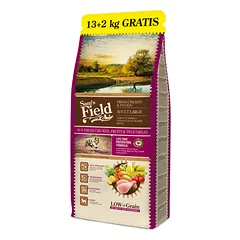
Sam's Field
1,80 €/kg
26,99 € / 15 kg

Country Dog
1,89 €/kg
28,29 € / 15 kg
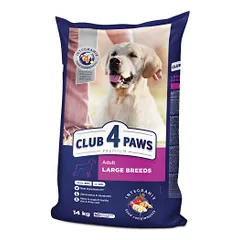
Club 4 Paws
1,92 €/kg
26,94 € / 14 kg
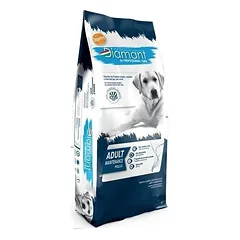
Diamant
1,93 €/kg
28,99 € / 15 kg
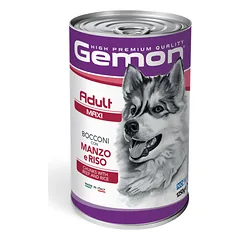
Gemon
1,94 €/kg
2,42 € / 1,3 kg
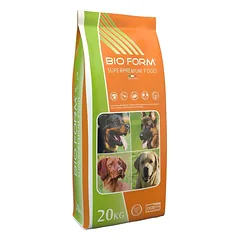
BIO FORM
2,00 €/kg
40,00 € / 20 kg
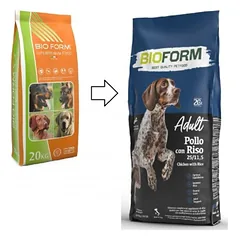
BIO FORM
2,00 €/kg
40,00 € / 20 kg