

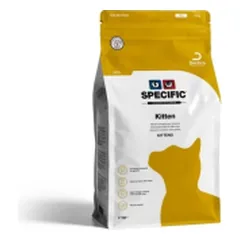
Specific
Specific FPD Kitten sausas maistas augantiems kačiukams, 400 kg
0,01 €/kg
5,59 € / 400 kg

Also known as: Sokoke Forest Cat, African Shorthair, Lamu cat, Khadzonzo, Cat of Lamu
The Sokoke is a rare breed from Kenya, from the area around the Arabuko Sokoke forest. It has a distinctive tabby coat with a marbled look, and the body is long, slender and long-legged. The coat is short and close-lying, and it is simple to care for. Adults typically weigh around 2.5 to 5 kilograms. The breed is seldom seen, so reliable information about it is limited, but it is generally described as active and energetic. It developed from local forest cats and remains small in number. Because of its rarity, it is hard to find. Life expectancy is typically around 12 to 15 years.
Sokoke: how old in human years?
Energy level
Playfulness
Family friendly
Grooming need
Males 3.5–5 kg
Females 2.5–4 kg
Sokoke: average score for sociability and trainability is moderate.
Sokoke: average score for activity and living space is high.
Sokoke: average score for personality and communication is moderate.
Sokoke: grooming and shedding demands are low.
The 1–5 trait scores are editorial estimates, not measurements. Every cat is an individual, so treat them as a general guide.
A Sokoke doesn't walk into a room, it arrives: long-legged, light on its feet, and a second later it is on top of the wardrobe. The breed comes from the Kenyan coastal forest whose name it carries, and it has so much energy that half an hour of play morning and evening may not be enough. The hunting drive is very strong, so a feather wand, balls and toys to stalk and catch are essentials, and high shelves plus a sturdy scratching post let it burn off steam without toppling the vases.
With its own people it is friendly and inquisitive, likes to be wherever the action is, and sits on your lap when it decides to. It can get along with calm children and dogs if introductions are unhurried and it always has somewhere high to retreat to. It has a voice and will make its opinion of a late breakfast perfectly clear.
Flat life works if the flat becomes an adventure playground: a tunnel, boxes, a windowsill overlooking the birds. Long days alone bore it, so another active cat can become its best playmate. Let it outdoors only in an enclosed space or on a harness, as freedom in the garden for a hunter like this would come at the expense of the local birds and mice.
The Sokoke's coat is so short and sleek that its marbled tabby pattern looks painted on with a brush. It sheds very little, so brushing is more of a treat than a chore: run a rubber mitt over it every so often and the shine comes straight back.
What is worth doing regularly is looking at what the coat leaves on show. Check the skin and ears, wipe the corners of the eyes if any discharge has gathered there, and trim the nails when they start catching in the carpet. Have a vet look at the teeth and gums at the yearly check-up.
How to do it:
By age:
We don't have reliable health information specific to this breed, so we don't list conditions here. Keep up regular vet check-ups, and if you are getting a kitten, ask the breeder about the parents' health testing.
This is general information, not veterinary advice. For your own cat's health, tests and treatment, see a vet.
This list is the same on every cat breed page. Shops do not label cat food by breed, so it simply shows the cheapest cat food we track per kilogram. Check the label for your cat's age and health needs. Prices are updated daily.
≈ 60 g of dry food a day, from €3,42 a month For a neutered, normally active 3,8 kg cat. Calculate for your cat
Specific
0,01 €/kg
5,59 € / 400 kg
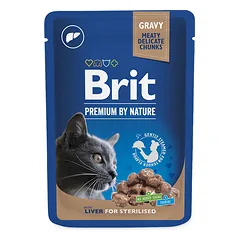
Brit Premium
0,33 €/kg
0,80 € / 2,4 kg
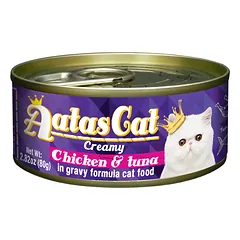
0,55 €/kg
1,05 € / 1,9 kg
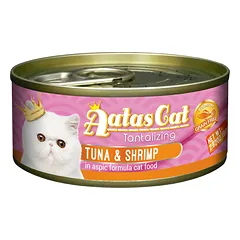
0,55 €/kg
1,05 € / 1,9 kg
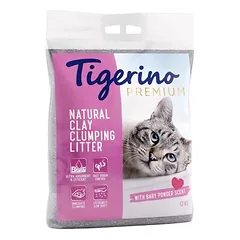
Tigerino
0,87 €/kg
20,89 € / 24 kg
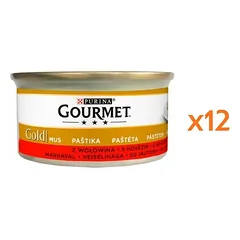
Gourmet
0,94 €/kg
0,96 € / 1,0 kg

Fitmin for Life
1,00 €/kg
0,80 € / 0,8 kg
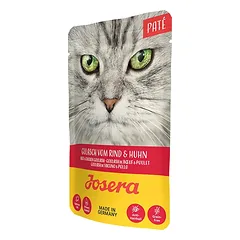
Josera
1,10 €/kg
1,49 € / 1,4 kg