

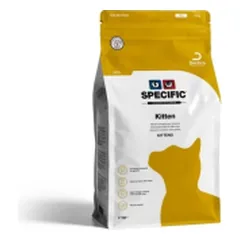
Specific
Specific FPD Kitten sausas maistas augantiems kačiukams, 400 kg
0,01 €/kg
5,59 € / 400 kg

Also known as: Highlander, Britannica, Highland Straight
The British Longhair is the longer-coated relative of the British Shorthair: it has the same rounded head, full cheeks and sturdy build, with a medium-length, dense coat added on top. The longer coat entered the breed through crosses with Persians, so in this variety the fur is fluffy and needs brushing several times a week, and more often when it is being shed. Males typically weigh around 4 to 8 kilograms. The temperament is calm and reserved, and the cat likes to be near people without demanding much attention. With its calm character and modest activity level, the breed suits apartment life. Life expectancy is typically around 12 to 16 years.
British Longhair: how old in human years?
Energy level
Playfulness
Family friendly
Grooming need
Males 4–8 kg
Females 3–6 kg
British Longhair: average score for sociability and trainability is moderate.
British Longhair: average score for activity and living space is moderate.
British Longhair: average score for personality and communication is moderate.
British Longhair: grooming and shedding demands are moderate.
The 1–5 trait scores are editorial estimates, not measurements. Every cat is an individual, so treat them as a general guide.
A British Longhair will not race to meet you at the door; it will lift its head from the sofa and slowly blink: I see you, welcome back. It enjoys your company on its own terms, in the same room, lying nearby, dropping by for a stroke now and then, but being carried about for long is not its idea of fun. Independent and calm, it gets through a working day alone without any drama.
It plays in short, cheerful bursts: a few minutes with a feather or a ball of paper, then back to rest, so a gentle game every day keeps it from stiffening into a cushion. A sturdy, stable scratching post and a comfortable bed or two off the floor will suit it well.
It barely uses its voice: when it wants something, it simply sits down and stares. It lives peacefully with children who do not try to carry it around, with dogs and with other cats, and sizes up visitors from a distance. It is an ideal flat cat, with no need to go outdoors at all.
A British Longhair's coat is medium-length, dense and plush over a thick undercoat, which makes the cat look even rounder than it really is. It sheds generously, so brush it two or three times a week with a pin brush, and daily while it moults, or you will find its fluff on every jumper you own.
The throat, armpits and belly tangle first, so comb those with more care and look at the skin as you go, for flakes or redness. Wipe the round, wide-open eyes with a damp cotton pad now and then, and check the small, rounded ears weekly.
A broad chest, round cheeks and an unhurried walk: the British Longhair looks like solidity itself and can live twelve to sixteen years. Heart and dental disease are known in the breed, and a calm nature means it bears discomfort quietly, so the yearly vet check-up earns its place, and before you take a kitten, ask the breeder about the parents' health testing.
This is general information, not veterinary advice. For your own cat's health, tests and treatment, see a vet.
When the heart muscle thickens, the heart pumps blood less easily. Even a healthy British Longhair happily sleeps half the day, so tiredness is hard to read from its behaviour; its breathing tells you more, and if its flanks rise and fall fast while it sleeps, show it to a vet. If it suddenly breathes with its mouth open or loses the use of its back legs, it needs a vet immediately.
Tartar and gum inflammation make the mouth sore, and damaged teeth can get in the way of eating. A British Longhair eats slowly and without fuss, so watch the small things: chewing on one side, sitting longer over the bowl, or bad breath. A vet should look in its mouth at every routine check-up.
This list is the same on every cat breed page. Shops do not label cat food by breed, so it simply shows the cheapest cat food we track per kilogram. Check the label for your cat's age and health needs. Prices are updated daily.
≈ 76 g of dry food a day, from €4,37 a month For a neutered, normally active 5,3 kg cat. Calculate for your cat
Specific
0,01 €/kg
5,59 € / 400 kg
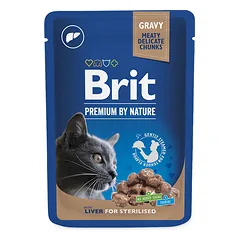
Brit Premium
0,33 €/kg
0,80 € / 2,4 kg
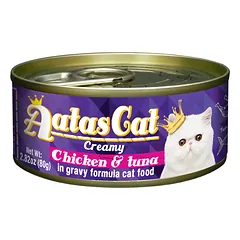
0,55 €/kg
1,05 € / 1,9 kg
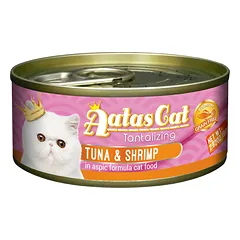
0,55 €/kg
1,05 € / 1,9 kg
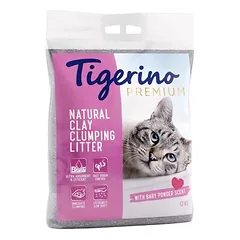
Tigerino
0,87 €/kg
20,89 € / 24 kg
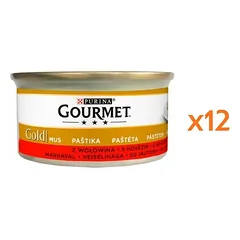
Gourmet
0,94 €/kg
0,96 € / 1,0 kg
Fitmin for Life
1,00 €/kg
0,80 € / 0,8 kg
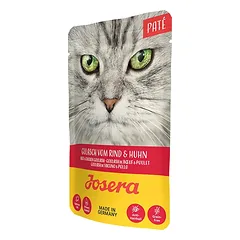
Josera
1,10 €/kg
1,49 € / 1,4 kg