

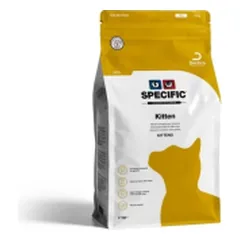
Specific
Specific FPD Kitten sausas maistas augantiems kačiukams, 400 kg
0,01 €/kg
5,59 € / 400 kg

Also known as: Celtic, European Cat, Celtic longhair, Celtic Shorthair, European longhair
The European Shorthair descends from the old farm and house cats found across Europe, and FIFe treats it as a separate breed with its own standard. It is a sturdy, medium-sized cat with a short, smooth coat and a fairly rounded face, typically weighing around 3 to 6.5 kilograms. The coat is simple to care for, and an occasional brushing is enough. The breed is considered hardy and adaptable, enjoying hunting and play but often just as content with quiet. The European Shorthair can come in many colours and patterns. It is not the same as an ordinary house cat, since the standard sets out body shape and coat quality. Life expectancy is typically around 12 to 17 years.
European Shorthair: how old in human years?
Energy level
Playfulness
Family friendly
Grooming need
Males 4–6.5 kg
Females 3–5 kg
European Shorthair: average score for sociability and trainability is moderate.
European Shorthair: average score for activity and living space is moderate.
European Shorthair: average score for personality and communication is moderate.
European Shorthair: grooming and shedding demands are low.
The 1–5 trait scores are editorial estimates, not measurements. Every cat is an individual, so treat them as a general guide.
This cat looks the way children draw a cat: a round head, a solid body, a clever gaze and not one extreme feature. The European Shorthair is practical and self-assured, plans its own day perfectly well and does not ask to be entertained all the time. It welcomes a cuddle, but on its own terms: it comes over, stays a while and then goes back to its business.
The hunting instinct is strong. A fly that wanders into the room does not last long, and a toy mouse gets "caught" dozens of times in an evening. If you let it outdoors, think about a fenced garden or a netted balcony, because to the local birds it is a serious opponent. A flat suits it too, given a scratching post, a high perch and daily play.
It gets on well with children and friendly dogs, and takes visitors calmly, without much fuss. Time alone is no problem for it, which makes it a good match for people who work. Its voice is quiet: it would rather look at you than meow.
The European Shorthair's coat is short, dense and smooth, lying close to the body and standing up well to the weather, so it needs little care. Once a week run a rubber brush or mitt over it, and a few times a week during the spring and autumn moult, so the loose hair ends up in the brush rather than on the sofa. Use the same session to check the skin for scratches, scabs or parasites.
Wipe the eye corners with a damp cotton pad when needed, look into the ears and wipe the visible part with a soft cloth. An indoor-only cat's nails can grow too long: give it a scratching post, and trim the tips every few weeks. Show the teeth and gums to a vet at the yearly check-up, and get the cat used to having its mouth looked at from kittenhood.
How to do it:
By age:
The European Shorthair is a strong, muscular cat built without extremes, living twelve to seventeen years. Two health questions are listed for it, and both belong to everyday care rather than inherited disease: teeth and weight. A yearly vet check-up will help you catch either in good time.
This is general information, not veterinary advice. For your own cat's health, tests and treatment, see a vet.
Plaque and tartar irritate the gums, which redden, and later the teeth themselves can start to hurt. A European Shorthair is tough and does not complain, so small things give a sore mouth away: the smell, careful chewing, food left in the bowl. Ask your vet to look in its mouth at every visit.
Excess weight is surplus fat that over time loads the joints and the heart. A European Shorthair is heavy-boned, so extra kilos at first pass for a solid build. If you can no longer see a waist from above or feel the ribs, ask your vet what weight is right for it.
This list is the same on every cat breed page. Shops do not label cat food by breed, so it simply shows the cheapest cat food we track per kilogram. Check the label for your cat's age and health needs. Prices are updated daily.
≈ 69 g of dry food a day, from €3,94 a month For a neutered, normally active 4,6 kg cat. Calculate for your cat
Specific
0,01 €/kg
5,59 € / 400 kg
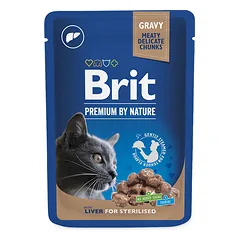
Brit Premium
0,33 €/kg
0,80 € / 2,4 kg
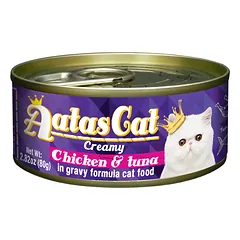
0,55 €/kg
1,05 € / 1,9 kg
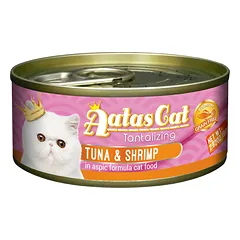
0,55 €/kg
1,05 € / 1,9 kg

Tigerino
0,87 €/kg
20,89 € / 24 kg
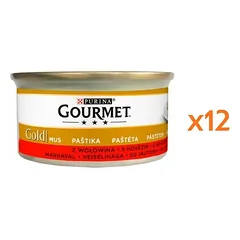
Gourmet
0,94 €/kg
0,96 € / 1,0 kg
Fitmin for Life
1,00 €/kg
0,80 € / 0,8 kg
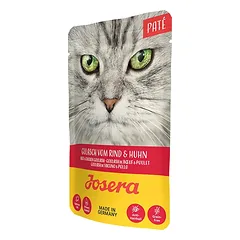
Josera
1,10 €/kg
1,49 € / 1,4 kg