


Specific
Specific FPD Kitten sausas maistas augantiems kačiukams, 400 kg
0,01 €/kg
5,59 € / 400 kg

The Bengal was developed in the United States by crossing a domestic cat with the Asian leopard cat, and later generations are as domestic as any other breed. The short, plush coat carries spots or a marbled pattern, and its sheen is often striking. Males typically weigh around 4.5 to 7 kilograms, on a muscular, athletic frame. The coat is easy to care for, and an occasional stroke with a brush is usually enough. It is an active, curious breed that needs space, activities and play, and some individuals also enjoy water. Owners should provide scratching posts, climbing frames and toys for its energy. Life expectancy is typically around 12 to 16 years.
Bengal: how old in human years?
Energy level
Playfulness
Family friendly
Grooming need
Males 4.5–7 kg
Females 3.5–5 kg
Bengal: average score for sociability and trainability is high.
Bengal: average score for activity and living space is high.
Bengal: average score for personality and communication is moderate.
Bengal: grooming and shedding demands are low.
The 1–5 trait scores are editorial estimates, not measurements. Every cat is an individual, so treat them as a general guide.
On top of the fridge, along the door frame, in the sink under a dripping tap: you will find a Bengal where you least expect it. It has energy for the whole day and a mind that needs a job, and it will learn to fetch, to walk on a harness and, if you are not careful, to open the cupboard where the snacks live.
Every day it needs a few proper hunting sessions with a wand or a ball, and in between, puzzle toys, high shelves and a sturdy cat tree that can take a leap from across the room. Without something to do it gets bored and finds its own entertainment, so long days alone do not suit it, and an enclosed balcony or walks on a harness help a great deal.
A Bengal is talkative: it comments, demands and negotiates, loudly and in many tones. It gets on with children, other cats and friendly dogs as long as they can keep up, and inspects visitors from somewhere high first. Its hunting instinct is strong, so fish in a tank or a bird in a cage are not neighbours to it but a project.
A Bengal's coat is short, close-lying and unusually soft, more pelt than fur, and on some cats it even shimmers in the light as if dusted with gold. It sheds little, so a weekly pass with a rubber mitt or a soft brush is enough, and the cat will take it as a cuddle rather than a chore.
Use the moment to check the skin and ears: clean ears are pale, free of dark debris and odourless, and no matter should collect in the corners of the eyes. A climber like this wears its nails down on scratching posts, but not all of them: every couple of weeks check them and trim the sharp tips, the front paws especially, so it doesn't end up hooked into the curtains or your jumper.
How to do it:
By age:
Its rosetted coat recalls a wild ancestor, the Asian leopard cat, but the Bengal lives like any house cat, for twelve to sixteen years. A few inherited eye, blood and heart conditions are known in the breed, along with slipping kneecaps, digestive trouble and lymphoma. Ask the breeder about the parents' health testing before you take a kitten, and afterwards notice early any change in appetite, movement or sight.
This is general information, not veterinary advice. For your own cat's health, tests and treatment, see a vet.
Lymphoma is a cancer of the white blood cells that defend the body, and it can affect the gut, the lymph nodes or other organs. A Bengal is full of energy, so lethargy, weight loss or a smaller appetite look nothing like its normal self and should catch your attention at once. Show such changes to a vet without delay.
These are problems of the stomach and gut: vomiting, diarrhoea, constipation or a poor appetite. Keep a rough picture of what your Bengal's litter tray looks like on an ordinary day, so you notice when something changes. If the trouble keeps coming back or does not settle, talk to a vet.
The kneecap slips out of place and the leg locks for a moment. A Bengal leaps and climbs all day, so a few hopping steps on three legs, followed by a perfectly normal walk, are easy to miss. If it happens again or the cat starts avoiding jumps, show it to a vet.
The heart wall slowly thickens and the heart has to work harder and harder. Stillness is not a Bengal's natural state, so if it starts lying about more, tires quickly in play or breathes with its mouth open, show it to a vet. Sudden weakness in the back legs means it needs a vet immediately.
The light-sensing cells of the retina slowly die off and sight fades, first in dim light. A Bengal explores the world in leaps, so the first sign may be a misjudged landing or hesitation in a dark room. Show such changes to a vet, and ask the breeder about the parents' health testing when you take a kitten.
An inherited enzyme shortage makes the red blood cells break down too early, and the cat can become anaemic. If a normally lively Bengal turns listless, eats little or has pale gums, show it to a vet; such spells can come and go. It is worth asking the breeder about the parents' health testing.
This list is the same on every cat breed page. Shops do not label cat food by breed, so it simply shows the cheapest cat food we track per kilogram. Check the label for your cat's age and health needs. Prices are updated daily.
≈ 73 g of dry food a day, from €4,19 a month For a neutered, normally active 5 kg cat. Calculate for your cat
Specific
0,01 €/kg
5,59 € / 400 kg
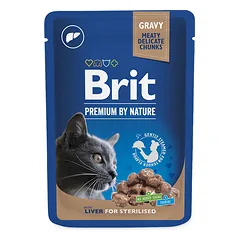
Brit Premium
0,33 €/kg
0,80 € / 2,4 kg

0,55 €/kg
1,05 € / 1,9 kg

0,55 €/kg
1,05 € / 1,9 kg

Tigerino
0,87 €/kg
20,89 € / 24 kg

Gourmet
0,94 €/kg
0,96 € / 1,0 kg

Fitmin for Life
1,00 €/kg
0,80 € / 0,8 kg
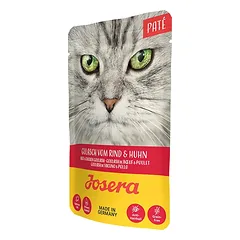
Josera
1,10 €/kg
1,49 € / 1,4 kg