

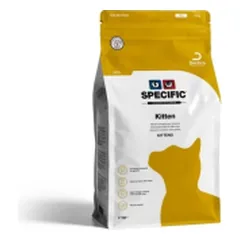
Specific
Specific FPD Kitten sausas maistas augantiems kačiukams, 400 kg
0,01 €/kg
5,59 € / 400 kg

Also known as: Folk cat, British Semi-longhair
The British Shorthair descends from the domestic cats of Britain and was among the first breeds shown at cat exhibitions in the late nineteenth century. The dense, short coat stands out from the body, the head is round, the cheeks are full, and the body is sturdy and broad. Males typically weigh around 4.5 to 8 kilograms. The most famous colour is a bluish grey known as British Blue, though the breed comes in many other colours. The cat is generally calm, undemanding and not much given to climbing, which suits apartment life. It can put on weight, so it is worth watching how much it eats. Life expectancy is typically around 12 to 17 years.
British Shorthair: how old in human years?
Energy level
Playfulness
Family friendly
Grooming need
Males 4.5–8 kg
Females 3.2–5.5 kg
British Shorthair: average score for sociability and trainability is moderate.
British Shorthair: average score for activity and living space is moderate.
British Shorthair: average score for personality and communication is moderate.
British Shorthair: grooming and shedding demands are moderate.
The 1–5 trait scores are editorial estimates, not measurements. Every cat is an individual, so treat them as a general guide.
You come home and it doesn't so much as lift its head from the windowsill: the greeting comes later, once it has decided the time is right. A British Shorthair is devoted to its people but shows it with reserve, settling beside you on the sofa rather than in your lap, and being carried around is something it puts up with rather than enjoys.
Play comes in short bursts: a few minutes with a feather wand, then back to rest. Its energy is modest, so it is entirely at home in a flat, and a working day alone is no great hardship as long as it has a scratching post and a spot by the window. It barely uses its voice; when it wants something, it sits and looks at you until you work it out.
It is patient with children who don't chase it, and it gets along with a calm dog or another cat without much drama. Visitors are studied from the top of a wardrobe or from under a chair and accepted at its own pace. Since it would rather lie down than hurry, a daily invitation to play does it nothing but good.
A British Shorthair's coat is dense and crisp, like plush: stroke it the wrong way and it stays standing up. For most of the year a weekly brush is enough, and in spring and autumn, when the old undercoat comes out, brush more often so the hair ends up on the brush and not on the sofa. A rubber grooming mitt or a wide-toothed comb reaches the undercoat without pulling.
While you brush, check the skin: a coat this thick is very good at hiding flakes, scabs or red patches. If matter collects in the corners of the eyes, wipe it away gently with a damp cotton pad, and look into the ears once a week; healthy ones are pale pink, clean and odourless.
Broad chest, round cheeks, an unhurried walk: the British Shorthair looks like the picture of health, and it is long-lived, at twelve to seventeen years. Of the problems known in the breed, two are worth keeping in mind, a heart muscle disease and dental disease. Neither means your cat will get them, but both are easier to catch in time when you know what to look for.
This is general information, not veterinary advice. For your own cat's health, tests and treatment, see a vet.
The wall of the heart muscle slowly thickens, and the heart has to work harder. A British Shorthair likes lounging anyway, so tiredness is easy to put down to laziness; watch instead how it breathes while asleep, and take fast or laboured breathing to a vet. If the back legs suddenly go weak or stop obeying, the cat needs a vet immediately.
Plaque, tartar and inflamed gums can slowly turn eating into a chore. A British Shorthair puts up with discomfort quietly and hardly meows, so the only giveaways may be bad breath or chewing on one side. Ask the vet to look in its mouth at every check-up.
This list is the same on every cat breed page. Shops do not label cat food by breed, so it simply shows the cheapest cat food we track per kilogram. Check the label for your cat's age and health needs. Prices are updated daily.
≈ 76 g of dry food a day, from €4,37 a month For a neutered, normally active 5,3 kg cat. Calculate for your cat
Specific
0,01 €/kg
5,59 € / 400 kg
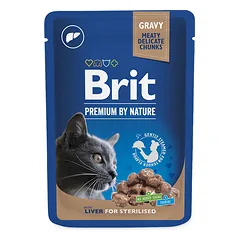
Brit Premium
0,33 €/kg
0,80 € / 2,4 kg
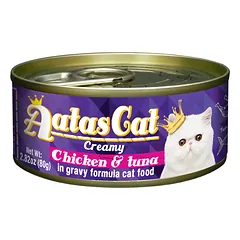
0,55 €/kg
1,05 € / 1,9 kg
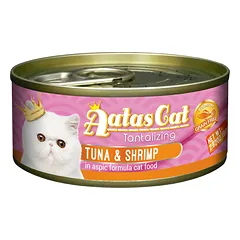
0,55 €/kg
1,05 € / 1,9 kg

Tigerino
0,87 €/kg
20,89 € / 24 kg
Gourmet
0,94 €/kg
0,96 € / 1,0 kg
Fitmin for Life
1,00 €/kg
0,80 € / 0,8 kg
Josera
1,10 €/kg
1,49 € / 1,4 kg