

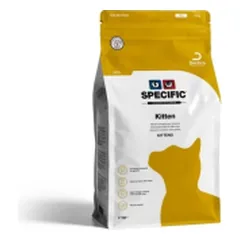
Specific
Specific FPD Kitten sausas maistas augantiems kačiukams, 400 kg
0,01 €/kg
5,59 € / 400 kg

Also known as: Canadian Sphynx, Canadian Hairless, Sphinx cat, Hairless cat
The Sphynx is a hairless cat from Canada, where a hairless kitten was born in Toronto in the 1960s. It is not entirely bare, since a fine down covers the skin, and the skin is wrinkled. The body is medium-sized and muscular, and the ears are large. Adults typically weigh around 3 to 6.5 kilograms. Because the skin produces oils, it needs regular wiping or bathing, and the cat tolerates cold poorly. Sphynxes are usually very friendly, playful and seek human warmth. The lack of hair is caused by a recessive gene. Life expectancy is typically around 9 to 14 years.
Sphynx: how old in human years?
Energy level
Playfulness
Family friendly
Grooming need
Males 4–6.5 kg
Females 3–5 kg
Sphynx: average score for sociability and trainability is high.
Sphynx: average score for activity and living space is high.
Sphynx: average score for personality and communication is moderate.
Sphynx: grooming and shedding demands are low.
The 1–5 trait scores are editorial estimates, not measurements. Every cat is an individual, so treat them as a general guide.
A Sphynx meets you at the door, escorts you to the kitchen and, the moment you sit down, is on your lap, warm as a bun just out of the oven. There is barely an independent bone in its body, so long days alone in an empty flat are hard on it. If you work away from home, think about a second cat or a dog for company; it makes friends easily with dogs, children and visitors alike.
Clever and playful, a Sphynx quickly learns to fetch a toy, open a cupboard or come when called, and when bored it finds its own projects. It needs a scratching post like any cat, and a heated bed or a soft blanket matters more to it than to its furry cousins. It talks a fair amount: it comments, but it does not shout.
This is an indoor cat heart and soul. Cool air and strong sun are hard on its skin, so time outside should be short, safe and supervised, and a flat suits it perfectly.
Hairless does not mean care-free. A Sphynx's skin makes the oil that another cat's coat simply soaks up, so it leaves brownish marks on cushions and the skin itself turns tacky. Wipe it regularly with a damp cloth or give it a gentle bath in warm water, dry it thoroughly and do not let the cat get cold. The thin skin burns easily in the sun and chills fast, so a summer windowsill and a winter draught both call for some forethought.
The coat is no more than a faint peach fuzz, and with few or no eyelashes, discharge collects in the corners of the eyes: wipe it away daily with a damp cotton pad. Check the big ears weekly and clean off visible wax without going into the canal, and look at the skin folds around the nails too, where oil gathers as well.
With no coat, a Sphynx has nowhere to hide a rash, a scratch or laboured breathing, and that works in your favour: you will notice things sooner than the owner of a furry cat would. Ear, skin, dental and heart problems are known in the breed, so regular vet visits are more than a formality, and before you take a kitten, ask the breeder about the parents' health testing.
This is general information, not veterinary advice. For your own cat's health, tests and treatment, see a vet.
The ear canal becomes inflamed, itchy and sore. A Sphynx's large, bare ears build up greasy wax quickly, so the first signs are dark residue, a bad smell, scratching or head shaking. Show such changes to a vet, who can tell an infection from ordinary dirt.
A broad name for many skin troubles: rashes, spots, greasy build-up, or red, itchy skin. A Sphynx's skin produces oil that no coat soaks up, so every change shows at once, especially in the wrinkles and around the nails. If a rash does not fade or your cat keeps scratching, show it to a vet.
Tartar, gum inflammation and damaged teeth make the mouth sore, though a cat will not complain. A Sphynx eats with real gusto, so chewing on one side, food dropping from its mouth or bad breath are easy to spot at the bowl. A look in the mouth belongs in every routine check-up.
The heart muscle thickens and no longer relaxes as it should, so the heart pumps blood less easily. A Sphynx is a busy player, so if it tires sooner, rests more or breathes fast at rest, show it to a vet. If it suddenly breathes with its mouth open, struggles for air or cannot use its back legs, it needs a vet immediately.
This list is the same on every cat breed page. Shops do not label cat food by breed, so it simply shows the cheapest cat food we track per kilogram. Check the label for your cat's age and health needs. Prices are updated daily.
≈ 69 g of dry food a day, from €3,94 a month For a neutered, normally active 4,6 kg cat. Calculate for your cat
Specific
0,01 €/kg
5,59 € / 400 kg
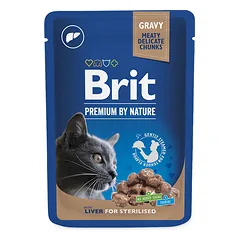
Brit Premium
0,33 €/kg
0,80 € / 2,4 kg
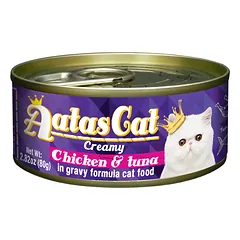
0,55 €/kg
1,05 € / 1,9 kg
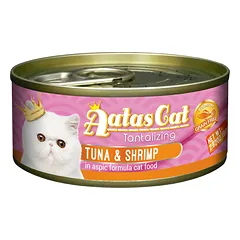
0,55 €/kg
1,05 € / 1,9 kg
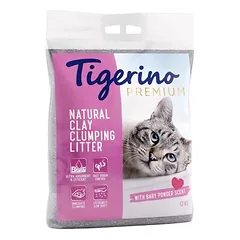
Tigerino
0,87 €/kg
20,89 € / 24 kg
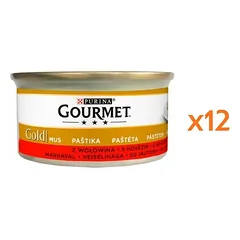
Gourmet
0,94 €/kg
0,96 € / 1,0 kg

Fitmin for Life
1,00 €/kg
0,80 € / 0,8 kg
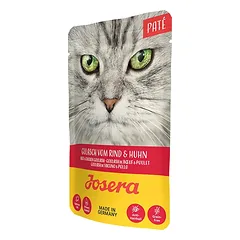
Josera
1,10 €/kg
1,49 € / 1,4 kg