

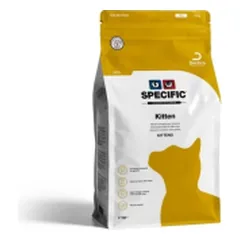
Specific
Specific FPD Kitten sausas maistas augantiems kačiukams, 400 kg
0,01 €/kg
5,59 € / 400 kg

The Devon Rex arose in Devon, England, around 1960 and has a wavy coat, but the cause is a different gene from the Cornish Rex's, which is why the two are separate breeds. The coat is short, soft and sparse, and the head, with wide-set large ears and big eyes, has an elfin look. Adults typically weigh around 2.5 to 4.5 kilograms. The coat is not thick, so the cat can feel the cold and seek warmth. Grooming is simple, and stroking suits it better than brushing. Devon Rex cats are usually sociable, playful and like to be close to their owner. Life expectancy is typically around 12 to 16 years.
Devon Rex: how old in human years?
Energy level
Playfulness
Family friendly
Grooming need
Males 3–4.5 kg
Females 2.5–3.5 kg
Devon Rex: average score for sociability and trainability is high.
Devon Rex: average score for activity and living space is high.
Devon Rex: average score for personality and communication is moderate.
Devon Rex: grooming and shedding demands are low.
The 1–5 trait scores are editorial estimates, not measurements. Every cat is an individual, so treat them as a general guide.
A Devon Rex has no talent for staying in the background. It lands on your shoulder while you pour coffee, inspects the shopping bag before it reaches the floor and slips under the blanket the moment you lie down. It plays with a kitten's enthusiasm well into adulthood, and it is clever enough to learn to fetch, or to open the cupboard you meant to keep shut.
Being alone is the hard part. It copes with long working days less well than more independent cats, so if the house is empty for hours, another cat or a friendly dog makes a real difference. It gets on easily with children, dogs and visitors, and checks a stranger's shoelaces with the same curiosity as yours.
A flat suits it fine as long as there is somewhere to climb: a tall scratching tree, wall shelves, a windowsill with a view. Its voice is moderate, more a short questioning "mrr?" than a complaint. The hunter in it is real too, so a feather wand and a ball with a bell will not get boring soon.
The Devon Rex's coat is short, wavy and very fine, thin in places, so it feels like suede under your fingers. It sheds little, and a stiff brush would only snap the fragile hairs: once a week, run a damp hand or a soft grooming mitt over the body and that is the coat done. Because it keeps out so little cold, the cat will look for warmth under the duvet, on the radiator or on you.
The skin and ears need more of your attention. The skin can turn greasy quickly, especially on the belly and between the toes, so look it over regularly. Those enormous ears collect brown wax: check them weekly and gently wipe the visible part with a soft cloth, and clean the corners of the eyes with a damp cotton pad. Ears that turn red or start to smell are a question for the vet.
The Devon Rex is a small, light cat that can live twelve to sixteen years. Inherited heart and kidney conditions are described in the breed, along with hip and kneecap problems, so ask the breeder about the parents' health testing before you take a kitten home. The rest belongs to regular visits to the vet.
This is general information, not veterinary advice. For your own cat's health, tests and treatment, see a vet.
The wall of the heart muscle thickens, and the heart has to work harder. A Devon Rex is almost never still, so you will notice if it starts tiring sooner or breathing with its mouth open. Sudden weakness in the back legs or laboured breathing means a vet is needed immediately.
Fluid-filled cysts slowly form in the kidneys and get in the way of their work. The first signs are quiet ones: more drinking, more wet litter, a smaller appetite. Ask the breeder about the parents' health testing, and show any of those changes to a vet.
The hip joint forms imperfectly and wears over time. A Devon Rex is light, but it lives by leaping from the wardrobe to your shoulder, so a cat that suddenly hesitates before a jump or picks lower perches is telling you something. Show it to a vet if that happens.
The kneecap slips out of place, and the leg briefly locks. You might see your cat hop a few steps on three legs and then run off as if nothing happened. If that skip keeps coming back, it is worth a visit to the vet.
This list is the same on every cat breed page. Shops do not label cat food by breed, so it simply shows the cheapest cat food we track per kilogram. Check the label for your cat's age and health needs. Prices are updated daily.
≈ 55 g of dry food a day, from €3,13 a month For a neutered, normally active 3,4 kg cat. Calculate for your cat
Specific
0,01 €/kg
5,59 € / 400 kg
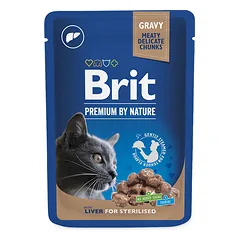
Brit Premium
0,33 €/kg
0,80 € / 2,4 kg
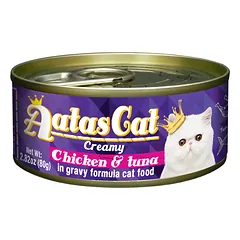
0,55 €/kg
1,05 € / 1,9 kg

0,55 €/kg
1,05 € / 1,9 kg

Tigerino
0,87 €/kg
20,89 € / 24 kg

Gourmet
0,94 €/kg
0,96 € / 1,0 kg

Fitmin for Life
1,00 €/kg
0,80 € / 0,8 kg
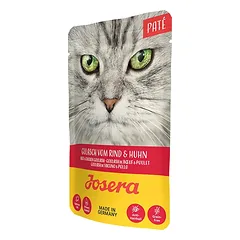
Josera
1,10 €/kg
1,49 € / 1,4 kg