

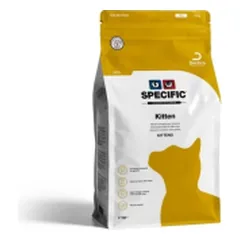
Specific
Specific FPD Kitten sausas maistas augantiems kačiukams, 400 kg
0,01 €/kg
5,59 € / 400 kg

Also known as: Snowshoe Siamese
The Snowshoe took shape in the United States in the 1960s by crossing Siamese cats with bicolour American Shorthairs. The name refers to the white paws, which are set off by darker markings on the face, ears, legs and tail, and by blue eyes. The short, smooth coat needs little care. Adults typically weigh around 2.5 to 5.5 kilograms, on a medium-sized, muscular frame. Snowshoes are usually affectionate and sociable, and they dislike being left alone for long. The pattern of white on the legs differs between cats, so each looks unique. Life expectancy is typically around 12 to 16 years.
Snowshoe: how old in human years?
Energy level
Playfulness
Family friendly
Grooming need
Males 3.5–5.5 kg
Females 2.5–4.5 kg
Snowshoe: average score for sociability and trainability is high.
Snowshoe: average score for activity and living space is moderate.
Snowshoe: average score for personality and communication is moderate.
Snowshoe: grooming and shedding demands are low.
The 1–5 trait scores are editorial estimates, not measurements. Every cat is an individual, so treat them as a general guide.
Come home and the first thing you see is a pair of white socks: a Snowshoe likes to be wherever life is happening, and your return is an event. It follows you into the kitchen, checks what you put in the cupboard and happily curls up against you in the evening. Long hours alone don't suit it, so if you are out all day, a second cat is worth considering.
It is playful and quick on the uptake, soon working out how a cupboard door opens or where the toys are hidden, and willing to learn simple tricks such as bringing back a ball. The hunting drive is not especially strong, so play is more about company than the chase. A scratching post and a shelf by the window will meet its need to climb in a flat.
A Snowshoe gets on very well with children, dogs and other cats, and greets visitors without much fuss. Its voice is middling: it will speak up when it wants something, but it won't keep the neighbours awake.
The Snowshoe's coat is short, smooth and close-lying, and it sheds little, so a weekly once-over with a rubber brush, or simply a damp hand, is plenty. That stroke gathers up loose hair and gives you a look at the skin at the same time: no flakes, scabs or reddened patches.
The white feet and pale body show every speck of dust, but that is no reason to bath the cat; it manages perfectly well on its own. Once a week, glance into the ears and at the corners of the eyes. Clean ears are pale and odourless and the eyes free of discharge; show any redness or bad smell to a vet.
A Snowshoe can be with you for a long time: these cats live twelve to sixteen years. Two things are covered here, a habit of chewing and swallowing things that aren't food, and an inherited heart disease. Both are worth knowing about in advance, and before you take a kitten, ask the breeder about the parents' health testing.
This is general information, not veterinary advice. For your own cat's health, tests and treatment, see a vet.
Pica is a habit of chewing and swallowing things that aren't food: wool, plastic, shoelaces or paper. A Snowshoe likes to be close to you and your belongings, so a chewed jumper cuff or a gnawed plastic bag may be the first sign. It is worth talking this through with a vet, and keeping thread, hair ties and bags out of reach in the meantime.
A heart disease in which the wall of the heart muscle thickens and the heart has to work harder. It can stay silent for a long time, so get to know how your Snowshoe breathes while it sleeps, and tell a vet if the breathing becomes faster or more laboured. If your cat breathes with its mouth open or suddenly loses control of its back legs, it needs a vet immediately.
This list is the same on every cat breed page. Shops do not label cat food by breed, so it simply shows the cheapest cat food we track per kilogram. Check the label for your cat's age and health needs. Prices are updated daily.
≈ 62 g of dry food a day, from €3,55 a month For a neutered, normally active 4 kg cat. Calculate for your cat
Specific
0,01 €/kg
5,59 € / 400 kg
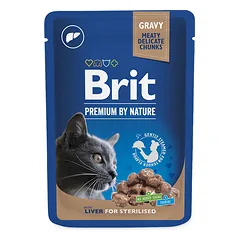
Brit Premium
0,33 €/kg
0,80 € / 2,4 kg

0,55 €/kg
1,05 € / 1,9 kg

0,55 €/kg
1,05 € / 1,9 kg
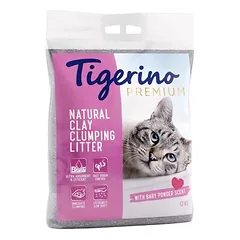
Tigerino
0,87 €/kg
20,89 € / 24 kg

Gourmet
0,94 €/kg
0,96 € / 1,0 kg

Fitmin for Life
1,00 €/kg
0,80 € / 0,8 kg
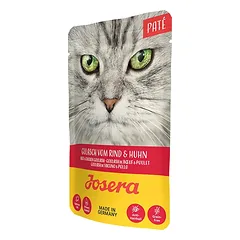
Josera
1,10 €/kg
1,49 € / 1,4 kg