


Specific
Specific FPD Kitten sausas maistas augantiems kačiukams, 400 kg
0,01 €/kg
5,59 € / 400 kg

The Selkirk Rex comes from Montana in the United States, where a kitten with a curly coat was born in the 1980s; the curl is a dominant mutation. This longhair variety has a medium-length, plush, loosely curled coat, most noticeable around the neck and on the tail. The curls are different on every cat, and the coat is best combed rarely and gently so that it does not turn frizzy. Males typically weigh around 4 to 6.5 kilograms, on a sturdy, muscular frame. Selkirk Rex cats are usually calm, patient and affectionate. Life expectancy is typically around 12 to 16 years.
Selkirk Rex Longhair: how old in human years?
Energy level
Playfulness
Family friendly
Grooming need
Males 4–6.5 kg
Females 3–5 kg
Selkirk Rex Longhair: average score for sociability and trainability is high.
Selkirk Rex Longhair: average score for activity and living space is moderate.
Selkirk Rex Longhair: average score for personality and communication is moderate.
Selkirk Rex Longhair: grooming and shedding demands are moderate.
The 1–5 trait scores are editorial estimates, not measurements. Every cat is an individual, so treat them as a general guide.
A Selkirk Rex Longhair moves in without fuss: it sniffs the corners, picks the softest armchair and before long is lying on your lap as if it had always lived there. It likes to play, just not in a hurry, chasing a feather wand until it has had enough and then going back to what it does best, which is being near you.
Children's noise, visitors and even a friendly dog do not throw it off balance, so it suits a family with young children well, as long as the children learn not to tug the curls. Its voice is quiet, its demands are modest and its hunting drive is small, so a flat suits it fine, given a sturdy scratching post and a high spot by the window.
Long days alone do not delight it, but they do not undo it either: you will come home to find it exactly where you left it, with a faint reproach in its eyes. A second cat or a calm dog in the house would be the best company it could ask for.
The Selkirk Rex Longhair wears medium-length, soft, loose curls, at their fullest on the neck and tail. Brush too often and you straighten them into fluff, so once or twice a week a wide-toothed comb, drawn through gently one section at a time, is plenty. It sheds a moderate amount; at those times pay extra attention to the armpits and the patch behind the ears, where the curls twist into small knots. The coat changes as the cat grows, too: a kitten's curls can loosen for a while and come back later.
As you comb, part the coat and look at the skin, which should be clean, without flakes or redness. Curly hairs grow inside the ears as well and catch wax and dirt, so check the ears every week, and wipe the corners of the eyes with a damp cotton pad if discharge collects there. If anything looks unusual, show your cat to a vet.
Beneath the soft curls is a solid, rather substantial body, and a Selkirk Rex Longhair lives twelve to sixteen years. A few inherited kidney, eye and heart conditions are known in the breed; it pays to know about them in advance, which is not the same as expecting them. Ask the breeder about the parents' health testing before you take a kitten, and let a yearly vet check-up pick up changes early.
This is general information, not veterinary advice. For your own cat's health, tests and treatment, see a vet.
An inherited disease in which fluid-filled cysts form in the kidneys and over time get in the way of their work. The first hints, more drinking and wetter litter, creep in slowly, so they are easiest to spot if you know how much your cat normally drinks. Before you take a Selkirk kitten, ask the breeder about the parents' health testing.
The light-sensing cells of the retina slowly die off and sight fades, at first in dim light. A Selkirk Rex Longhair is unhurried anyway, so the first sign may be a pause before an evening jump or a bump into a chair you have moved. Show changes like these to a vet.
The muscular wall of the heart thickens, and the heart finds it harder to fill with blood and push it out. In a calm cat that would rather doze on your lap than race about, faster breathing during sleep is the easiest thing to notice: count its breaths while it rests and show any change to a vet. If it suddenly drags its back legs or struggles to breathe, it needs a vet immediately.
This list is the same on every cat breed page. Shops do not label cat food by breed, so it simply shows the cheapest cat food we track per kilogram. Check the label for your cat's age and health needs. Prices are updated daily.
≈ 69 g of dry food a day, from €3,94 a month For a neutered, normally active 4,6 kg cat. Calculate for your cat
Specific
0,01 €/kg
5,59 € / 400 kg
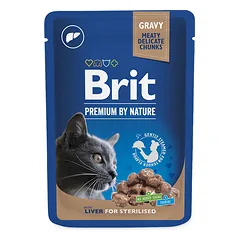
Brit Premium
0,33 €/kg
0,80 € / 2,4 kg

0,55 €/kg
1,05 € / 1,9 kg

0,55 €/kg
1,05 € / 1,9 kg

Tigerino
0,87 €/kg
20,89 € / 24 kg

Gourmet
0,94 €/kg
0,96 € / 1,0 kg

Fitmin for Life
1,00 €/kg
0,80 € / 0,8 kg
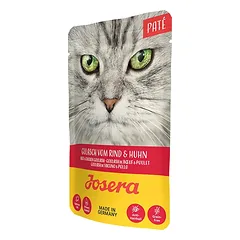
Josera
1,10 €/kg
1,49 € / 1,4 kg