

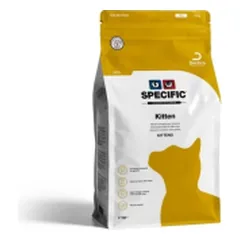
Specific
Specific FPD Kitten sausas maistas augantiems kačiukams, 400 kg
0,01 €/kg
5,59 € / 400 kg

Also known as: Angel ruso, Archangel cat
The Russian Blue is characterised by a dense, plush, blue-grey coat with silver-tipped hairs and vivid green eyes. Its origin is traditionally linked to Arkhangelsk, but this is not known for certain. Adults typically weigh around 3 to 5.5 kilograms, with a graceful, long-legged body. The coat is double but easy to look after, and brushing a few times a week is enough. The breed is usually quiet, reserved with strangers and strongly attached to its own family. The standard calls for a solid blue coat without spots or patterns. Russian Blues are long-lived, typically reaching around 12 to 18 years.
Russian Blue: how old in human years?
Energy level
Playfulness
Family friendly
Grooming need
Males 3.5–5.5 kg
Females 3–4.5 kg
Russian Blue: average score for sociability and trainability is moderate.
Russian Blue: average score for activity and living space is moderate.
Russian Blue: average score for personality and communication is moderate.
Russian Blue: grooming and shedding demands are moderate.
The 1–5 trait scores are editorial estimates, not measurements. Every cat is an individual, so treat them as a general guide.
The first time you visit friends who own one, you may not see it at all. A Russian Blue is wary of strangers and prefers to watch them from under the bed or the top of the wardrobe until it is sure nothing is wrong. With its own people it is a different cat: it follows you around the house, meets you at the door and chooses one or two people to trust most.
It likes routine, quiet and a predictable day, and accepts change slowly. Being independent, it spends working days alone calmly, especially with a high spot by the window and a scratching post. It plays in moderation but cleverly: it learns to fetch quickly and understands what your tone of voice means. Its voice is quiet, now and then a soft request.
It gets on with calm children, and takes to a noisy home with a dog better when the introductions are slow. A flat suits it perfectly: it likes to climb, though not to the ceiling, and a daily session with a feather wand satisfies the hunter in it.
The Russian Blue's coat is short, double and so dense that you can draw a pattern in it with a finger, and the pattern stays for a while. Silver-tipped hairs give it its blue sheen. It sheds moderately: once a week run a comb or soft brush through it, and a few times a week in spring and autumn, when the undercoat comes out.
The rest is simple. Those calm green eyes sometimes need their corners wiped with a damp cotton pad, and the ears a look and a gentle wipe of the visible part with a soft cloth. If the eyes water or dark debris appears in the ears, show the cat to a vet.
The Russian Blue is a sturdy, graceful and long-lived cat that can reach twelve to eighteen years. Its list of health questions has just two entries, and both are everyday ones: weight and teeth. A long life means many years for either to change slowly, so the yearly vet check-up is worth just as much here as for any other breed.
This is general information, not veterinary advice. For your own cat's health, tests and treatment, see a vet.
Excess weight means more fat than the body needs, and over time it burdens the joints and the heart. A Russian Blue loves order and expects its meals with clockwork precision, and the dense double coat hides a rounding waistline very well. Feel the ribs with your palm and ask your vet whether the weight is right.
Plaque builds up on the teeth, the gums become inflamed and the teeth can start to hurt. A Russian Blue hides pain quietly, so notice bad breath, chewing on one side or dropped mouthfuls. A look at the mouth belongs in every check-up at the vet.
This list is the same on every cat breed page. Shops do not label cat food by breed, so it simply shows the cheapest cat food we track per kilogram. Check the label for your cat's age and health needs. Prices are updated daily.
≈ 63 g of dry food a day, from €3,61 a month For a neutered, normally active 4,1 kg cat. Calculate for your cat
Specific
0,01 €/kg
5,59 € / 400 kg
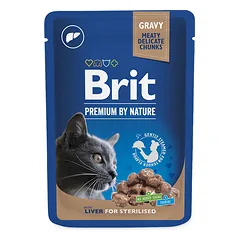
Brit Premium
0,33 €/kg
0,80 € / 2,4 kg
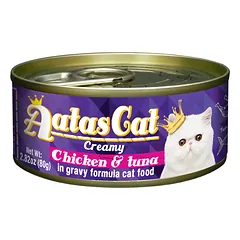
0,55 €/kg
1,05 € / 1,9 kg

0,55 €/kg
1,05 € / 1,9 kg

Tigerino
0,87 €/kg
20,89 € / 24 kg
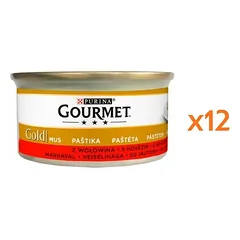
Gourmet
0,94 €/kg
0,96 € / 1,0 kg

Fitmin for Life
1,00 €/kg
0,80 € / 0,8 kg
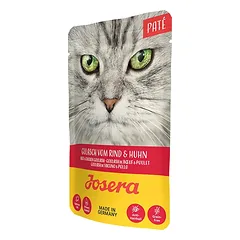
Josera
1,10 €/kg
1,49 € / 1,4 kg