


Specific
Specific FPD Kitten sausas maistas augantiems kačiukams, 400 kg
0,01 €/kg
5,59 € / 400 kg

The Cornish Rex arose in Cornwall, England, around 1950, when a kitten with a wavy coat was born. Its coat is short, soft and wavy because it is made up only of down hairs, without the outer guard hairs. The body is slender and long-legged, the head is narrow and the ears are large. Adults typically weigh around 2.5 to 4.5 kilograms. Because of the thin coat, it often seeks warmth. Little grooming is needed, and the coat is better stroked than brushed. Cornish Rex cats are usually energetic, playful and attached to people. Life expectancy is typically around 12 to 16 years.
Cornish Rex: how old in human years?
Energy level
Playfulness
Family friendly
Grooming need
Males 3–4.5 kg
Females 2.5–3.5 kg
Cornish Rex: average score for sociability and trainability is high.
Cornish Rex: average score for activity and living space is high.
Cornish Rex: average score for personality and communication is moderate.
Cornish Rex: grooming and shedding demands are low.
The 1–5 trait scores are editorial estimates, not measurements. Every cat is an individual, so treat them as a general guide.
A Cornish Rex lives in your home like a sprinter: a burst off the windowsill, a skidding turn in the hallway, a leap onto the fridge, and a moment later it is sitting on your shoulder. The energy and the urge to play last a lifetime, and the mind is quick: plenty of Rexes learn to fetch a thrown toy, open a cupboard door or find whatever you have hidden.
It needs height and somewhere for its claws: a sturdy scratching post, shelves on the wall, a climbing tree by the window. Without them it will map its own route across the curtains and the bookcase. It is happy in a flat, and the thin coat gives little protection from the cold, so this is an indoor cat; a balcony made safe with netting is as much outdoors as it needs.
It does not like being alone. This is a cat that wants to be close: under the duvet, on your lap, on the keyboard just as you try to work. If you are out for long days, think about a second cat, and children, friendly dogs and visitors strike it as interesting rather than frightening. Its voice is moderate: it will make an empty bowl perfectly clear, but it won't talk all day.
The Cornish Rex has no coarse guard hairs: its coat is made only of soft, wavy down, so it feels like suede under your hand and hardly sheds. A stiff brush is wrong for such a fine coat; once a week, run a palm or a damp soft cloth over the body to lift the loose hairs. The thin coat soaks up little of the skin's natural oil, so slightly greasy patches can appear, especially along the back and at the base of the tail.
The big, open ears hide neither wax nor dirt, so look into them every week and gently wipe the outer part if needed. Clean the corners of the eyes with a damp cotton pad, and check the skin as you stroke: redness or flaking is a reason to talk to a vet. On a cool day a Rex will find the warmest spot in the house on its own, and the throw on the sofa soon becomes its property.
Under the Cornish Rex's rippled coat is a slim, muscular body that can keep you company for twelve to sixteen years. Two inherited conditions are known in the breed, one affecting the retina of the eye and one the heart muscle. Ask the breeder about the parents' health testing before you take a kitten, and regular vet visits help you catch changes in good time.
This is general information, not veterinary advice. For your own cat's health, tests and treatment, see a vet.
The retina at the back of the eye slowly wastes away, and the cat gradually loses its sight, first in dim light. A Cornish Rex loves leaping onto wardrobes and shelves, so a pause before a jump in the evening or a missed edge can be the first sign. Show such a change to a vet, and when you take a kitten, ask the breeder about the parents' health testing.
When the wall of the heart muscle thickens, the heart has a harder job pumping blood. A Cornish Rex hardly ever sits still, so if yours starts lying about for longer, runs out of breath during play or breathes fast while asleep, show it to a vet. If a cat suddenly struggles to breathe or loses the use of its back legs, it needs a vet immediately.
This list is the same on every cat breed page. Shops do not label cat food by breed, so it simply shows the cheapest cat food we track per kilogram. Check the label for your cat's age and health needs. Prices are updated daily.
≈ 55 g of dry food a day, from €3,13 a month For a neutered, normally active 3,4 kg cat. Calculate for your cat
Specific
0,01 €/kg
5,59 € / 400 kg
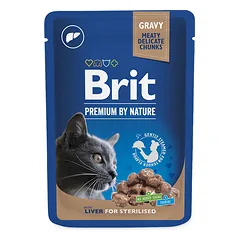
Brit Premium
0,33 €/kg
0,80 € / 2,4 kg

0,55 €/kg
1,05 € / 1,9 kg

0,55 €/kg
1,05 € / 1,9 kg

Tigerino
0,87 €/kg
20,89 € / 24 kg

Gourmet
0,94 €/kg
0,96 € / 1,0 kg

Fitmin for Life
1,00 €/kg
0,80 € / 0,8 kg
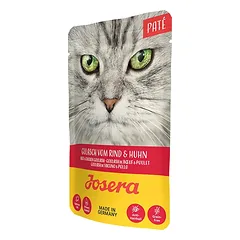
Josera
1,10 €/kg
1,49 € / 1,4 kg