

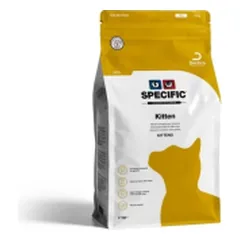
Specific
Specific FPD Kitten sausas maistas augantiems kačiukams, 400 kg
0,01 €/kg
5,59 € / 400 kg

The Peterbald was developed in Saint Petersburg in the mid-1990s by crossing a Don Sphynx with an Oriental Shorthair. The breed is known for the variety of its coat, which may be completely bare or covered with a short down that can change with age. The body is slender and long-legged, the head is narrow and the ears are large. Adults typically weigh around 3 to 5 kilograms. The skin needs care because it can become oily, and the cat is sensitive to cold. Peterbalds are usually talkative, intelligent and strongly attached to their families. The breed has been recognised relatively recently and remains small in number. Life expectancy is typically around 12 to 15 years.
Peterbald: how old in human years?
Energy level
Playfulness
Family friendly
Grooming need
Males 3.5–5 kg
Females 3–4 kg
Peterbald: average score for sociability and trainability is high.
Peterbald: average score for activity and living space is high.
Peterbald: average score for personality and communication is moderate.
Peterbald: grooming and shedding demands are low.
The 1–5 trait scores are editorial estimates, not measurements. Every cat is an individual, so treat them as a general guide.
Pick up a Peterbald and the first surprise is the heat: it is warm as a fresh bread roll, and you can feel every muscle under your fingers. It shares that warmth gladly, burrowing under the duvet, settling on your lap at the computer and following you from room to room like a small, very social shadow.
It is clever, curious and playful, quick to learn new games and fond of being talked to, and it answers back in a fairly loud, persistent voice. Its hunting drive is mild, so shared games and attention please it more than a quiet hour with a toy mouse in the corner. A scratching post and a few high shelves help it burn off its energy.
The Peterbald is a true indoor cat: without a coat it is too cold and too exposed to the sun outside, so it is happiest indoors, near the radiator and near you. It does not like long hours alone, it gets on with children, dogs and other cats, and it greets visitors without fear, hoping for one more warm hand.
A Peterbald may be almost hairless, but that does not mean it needs no grooming: some have a fine down like peach skin, others are completely bald. The skin produces oil that no coat soaks up, so it turns sticky and darkens. Once a week, wipe your cat over with a soft damp cloth, and when the skin feels greasy, wash it in warm water and dry it well with a towel. It sheds so little that your clothes will stay clean.
Without fur the skin has no protection, so strong summer sun can burn it, and in winter the cat gets cold easily: give it a warm bed and do not let it bake for hours on a sunny windowsill. Brown wax builds up in the ears and between the toes, so check them weekly, and wipe the corners of the eyes gently with a damp cotton pad. Trim the nails regularly and look for oily build-up around them.
How to do it:
By age:
We don't have reliable health information specific to this breed, so we don't list conditions here. Keep up regular vet check-ups, and if you are getting a kitten, ask the breeder about the parents' health testing.
This is general information, not veterinary advice. For your own cat's health, tests and treatment, see a vet.
This list is the same on every cat breed page. Shops do not label cat food by breed, so it simply shows the cheapest cat food we track per kilogram. Check the label for your cat's age and health needs. Prices are updated daily.
≈ 61 g of dry food a day, from €3,47 a month For a neutered, normally active 3,9 kg cat. Calculate for your cat
Specific
0,01 €/kg
5,59 € / 400 kg
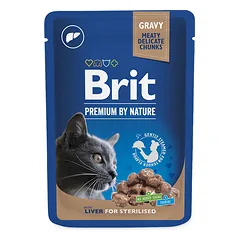
Brit Premium
0,33 €/kg
0,80 € / 2,4 kg

0,55 €/kg
1,05 € / 1,9 kg

0,55 €/kg
1,05 € / 1,9 kg
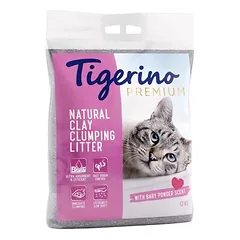
Tigerino
0,87 €/kg
20,89 € / 24 kg
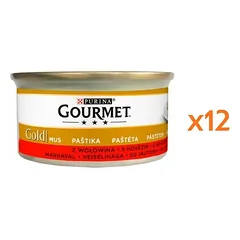
Gourmet
0,94 €/kg
0,96 € / 1,0 kg
Fitmin for Life
1,00 €/kg
0,80 € / 0,8 kg
Josera
1,10 €/kg
1,49 € / 1,4 kg