


Specific
Specific FPD Kitten sausas maistas augantiems kačiukams, 400 kg
0,01 €/kg
5,59 € / 400 kg

The Balinese is a longhaired Siamese-type breed developed in the United States, and its name comes from the graceful dancers of Bali, not from the island itself. The long, silky coat has little undercoat, so it seldom tangles and is easier to maintain than many long coats. Like the Siamese, it has darker markings on the face, ears, legs and tail and blue, almond-shaped eyes. Adults typically weigh around 2.5 to 5 kilograms and are slender. The breed is known for being talkative, intelligent and attached to its family. Life expectancy is typically around 12 to 16 years.
Balinese: how old in human years?
Energy level
Playfulness
Family friendly
Grooming need
Males 3.5–5 kg
Females 2.5–4 kg
Balinese: average score for sociability and trainability is high.
Balinese: average score for activity and living space is high.
Balinese: average score for personality and communication is high.
Balinese: grooming and shedding demands are low.
The 1–5 trait scores are editorial estimates, not measurements. Every cat is an individual, so treat them as a general guide.
A Balinese provides a running commentary on your day: it greets you at the door, reports that the bowl is empty and asks why you are not in bed yet. Its voice is softer than a Siamese's, but it likes to talk a great deal, so if you need quiet, better to know in advance.
It is clever, learns fast and can be taught to fetch a thrown toy or come when called. It has plenty of energy, likes high places and games with you rather than with a toy mouse on its own; a scratching post and a cat tree are a must, especially in a flat.
Being alone is its weak spot: long days on its own are hard for it, so a second cat or a home where someone is around much of the time suits it best. With children it is gentle and patient, it befriends a calm dog if the introduction is not rushed, and at night it will, of course, sleep next to you.
The Balinese coat is silky, medium-long and has no dense undercoat, so it hardly tangles and sheds little. Once a week, run a brush or a wide-toothed comb through it, paying the plumed tail its due, and that is all it needs. The dark points on the ears, face, paws and tail can deepen with age and in cooler surroundings; that is how the colour works, not a grooming mistake.
As you brush, look at the skin, especially on the belly, where the hair is thinner. Look closely at the blue eyes and wipe any discharge from the corners with a damp cotton pad; the large ears should be clean inside, with no dark deposits or smell. If anything worries you, show your cat to a vet.
The Balinese is the longhaired relative of the Siamese, a cat that would gladly tell you how it feels if only it had the words; it lives twelve to sixteen years. Three areas are worth watching: amyloidosis, an inherited retinal disease, and the teeth. Before you take a kitten, ask the breeder about the parents' health testing, and have a vet look over the teeth and general condition every year.
This is general information, not veterinary advice. For your own cat's health, tests and treatment, see a vet.
An abnormally shaped protein called amyloid builds up in the body and gets in the way of organs such as the liver or kidneys. A Balinese announces plenty of things loudly, but not this: watch for it eating less, losing weight, drinking more or turning listless, and show it to a vet. If it suddenly becomes weak or collapses, it needs a vet immediately.
An inherited disease in which the retina gradually loses its light-sensing cells and the cat sees less well, first in dim light. A Balinese loves to climb and to follow you around the house, so a pause before a jump in the dark or an unexpected stumble on the stairs stands out. Show changes like these to a vet, and before you take a kitten, ask the breeder about the parents' health testing.
Plaque builds up on the teeth, the gums become inflamed and the teeth can be damaged over time. A Balinese will not tell you about a sore tooth; bad breath, chewing on one side or bits of food dropping from the mouth will. Have a vet check the teeth and gums at every routine visit.
This list is the same on every cat breed page. Shops do not label cat food by breed, so it simply shows the cheapest cat food we track per kilogram. Check the label for your cat's age and health needs. Prices are updated daily.
≈ 60 g of dry food a day, from €3,42 a month For a neutered, normally active 3,8 kg cat. Calculate for your cat
Specific
0,01 €/kg
5,59 € / 400 kg
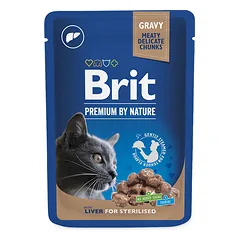
Brit Premium
0,33 €/kg
0,80 € / 2,4 kg

0,55 €/kg
1,05 € / 1,9 kg

0,55 €/kg
1,05 € / 1,9 kg

Tigerino
0,87 €/kg
20,89 € / 24 kg

Gourmet
0,94 €/kg
0,96 € / 1,0 kg

Fitmin for Life
1,00 €/kg
0,80 € / 0,8 kg
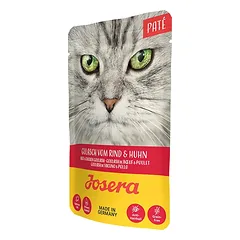
Josera
1,10 €/kg
1,49 € / 1,4 kg