

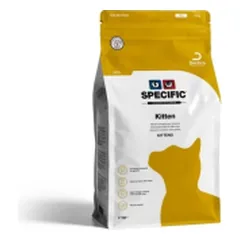
Specific
Specific FPD Kitten sausas maistas augantiems kačiukams, 400 kg
0,01 €/kg
5,59 € / 400 kg

Also known as: OLH, JAV, Javanese, Mandarin, British angora
The Oriental Longhair has the Siamese build, lean and long-legged, with a wedge-shaped head and very large ears, but its coat is semi-long and silky, and it lacks the Siamese pointed pattern. The breed was developed in the United Kingdom, and it comes in a wide range of colours and patterns. The coat lies close and has little undercoat, so it seldom tangles, although brushing a few times a week is worthwhile. Adults typically weigh around 2.5 to 5 kilograms. Orientals are known for being talkative, intelligent and always seeking human attention. Life expectancy is typically around 12 to 16 years.
Oriental Longhair: how old in human years?
Energy level
Playfulness
Family friendly
Grooming need
Males 3–5 kg
Females 2.5–4 kg
Oriental Longhair: average score for sociability and trainability is high.
Oriental Longhair: average score for activity and living space is high.
Oriental Longhair: average score for personality and communication is high.
Oriental Longhair: grooming and shedding demands are low.
The 1–5 trait scores are editorial estimates, not measurements. Every cat is an individual, so treat them as a general guide.
An Oriental Longhair has an opinion on everything and is glad to share it: about breakfast, about closed doors, about the fact that you have been on the phone too long with someone who is not her. The voice is loud and varied, so if you dream of a silent pet, choose another breed; if you enjoy a conversation, you will find a devoted partner in one.
There is enough energy and curiosity in her for two cats. She leaps onto wardrobes, opens drawers, learns to fetch and works out door handles quickly. She needs tall climbing frames, a sturdy scratching post and daily games that keep not just her legs but her head busy.
This cat bonds closely with her people and dislikes long stretches alone, so long working days are easier with another friendly cat at home. She gets along with children and dogs, greets visitors with curiosity, and in the evening will settle on your shoulders or under the duvet without fail.
The Oriental Longhair's coat is medium-long, fine and silky, lying close to the body without a thick woolly undercoat, and it opens out into a plume on the tail. That means it tangles little and sheds lightly: a wide-toothed comb once or twice a week is enough, with a little extra attention behind the ears and on the 'trousers', where the fine hair likes to twist.
The big ears gather a fair amount of dust, so look into them weekly and wipe the visible part with a damp cotton pad if needed. Check the corners of the eyes at the same time, and as you comb, glance at the skin, which shows well through the fine coat. Trim the nails regularly: this cat climbs a lot, and high.
How to do it:
By age:
Slender, supple and living twelve to sixteen years, the Oriental Longhair has a short health list worth knowing: amyloidosis, hereditary retinal degeneration and pica, an urge to eat things that are not food. Ask the breeder about the parents' health testing before you take a kitten, and a yearly vet check-up will help you catch changes early.
This is general information, not veterinary advice. For your own cat's health, tests and treatment, see a vet.
An insoluble protein builds up in organs such as the liver or kidneys and gets in the way of their work. An Oriental Longhair is slim to begin with, and the silky coat can hide lost weight, so watch for a smaller appetite, more thirst or unusual listlessness. Show any such change to a vet, and ask the breeder about the parents' health testing before you take a kitten.
Pica is an urge to chew and swallow things that are not food: wool, fabric, plastic. A curious Oriental Longhair explores a lot with its mouth, so it is worth telling play with a jumper apart from eating it. If you see your cat swallowing non-food items, tell a vet.
An inherited disease in which the cells of the retina slowly die off and sight fades. This cat loves leaping to the highest point in the room, so misjudged jumps, reluctance to climb in dim light, or pupils that stay wide even in bright light stand out. Show any change in sight to a vet, and ask the breeder about the parents' health testing before you take a kitten.
This list is the same on every cat breed page. Shops do not label cat food by breed, so it simply shows the cheapest cat food we track per kilogram. Check the label for your cat's age and health needs. Prices are updated daily.
≈ 57 g of dry food a day, from €3,28 a month For a neutered, normally active 3,6 kg cat. Calculate for your cat
Specific
0,01 €/kg
5,59 € / 400 kg
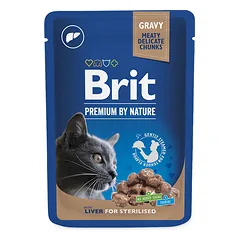
Brit Premium
0,33 €/kg
0,80 € / 2,4 kg
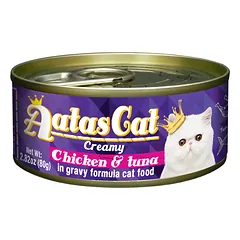
0,55 €/kg
1,05 € / 1,9 kg
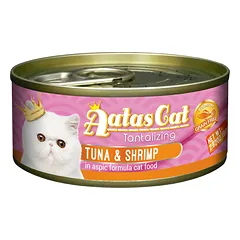
0,55 €/kg
1,05 € / 1,9 kg
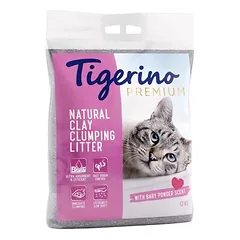
Tigerino
0,87 €/kg
20,89 € / 24 kg
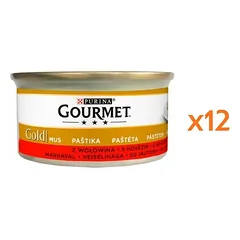
Gourmet
0,94 €/kg
0,96 € / 1,0 kg
Fitmin for Life
1,00 €/kg
0,80 € / 0,8 kg
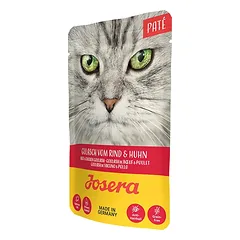
Josera
1,10 €/kg
1,49 € / 1,4 kg