

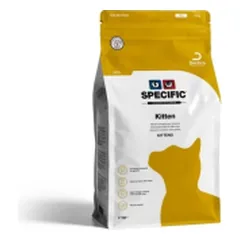
Specific
Specific FPD Kitten sausas maistas augantiems kačiukams, 400 kg
0,01 €/kg
5,59 € / 400 kg

The Ocicat was developed in the United States in the middle of the twentieth century by crossing Siamese and Abyssinian cats, with American Shorthairs added later. The name comes from the ocelot, because the spotted coat resembles that of a wild cat, although the cat is entirely domestic. The short, smooth coat is glossy, and the body is large, muscular and athletic. Adults typically weigh around 2.5 to 6.5 kilograms. The coat is easy to care for, and an occasional stroke is enough. Ocicats are usually lively and sociable, enjoy human company, and often get on well with other cats and dogs. Life expectancy is typically around 13 to 16 years.
Ocicat: how old in human years?
Energy level
Playfulness
Family friendly
Grooming need
Males 3.5–6.5 kg
Females 2.5–4.5 kg
Ocicat: average score for sociability and trainability is high.
Ocicat: average score for activity and living space is high.
Ocicat: average score for personality and communication is moderate.
Ocicat: grooming and shedding demands are low.
The 1–5 trait scores are editorial estimates, not measurements. Every cat is an individual, so treat them as a general guide.
It looks like a small jungle predator, but there is not a drop of wild blood in it, and in character it is closer to a dog than a leopard. Plenty of Ocicats learn to fetch a crumpled ball of paper, come when called and follow you around the house like a spotted assistant who treats every job you do as a joint project.
It has energy to spare, so it needs real play every day: chase games, hide and seek, puzzle toys with something tasty inside. Clever and easy to teach, it picks up commands happily, and with patience it may even take to a harness walk. A flat suits it as long as there is somewhere to climb and scratch.
The Ocicat is friends with everyone: children, dogs, other cats and the courier at the door. It does not like long hours alone, so if you are out at work all day, another pet for company would do it a lot of good. It has a voice but uses it in moderation, more for conversation than complaint.
The Ocicat's coat is short, smooth and close-lying, and every hair carries several bands of colour, which is what builds those wild-looking spots. Looking after it is easy: once a week, go over it with a soft brush or a rubber mitt, then polish it with your palm or a chamois, and the spots will shine again. It sheds very little, so you will not find fur tumbleweeds under the bed.
During the same weekly look-over, check the skin, especially on the belly and in the armpits where the coat is thinner. Wipe the eyes gently with a damp cotton pad if anything has gathered in the corners, check that the ears are clean and smell of nothing, and keep the nails short enough that the scratching post stays their main target.
How to do it:
By age:
An Ocicat lives thirteen to sixteen years and stays lively for much of that time. Three inherited conditions are known in the breed: amyloidosis, pyruvate kinase deficiency and progressive retinal atrophy. Ask the breeder about the parents' health testing before you take a kitten, and take any change you notice to a vet.
This is general information, not veterinary advice. For your own cat's health, tests and treatment, see a vet.
An insoluble protein builds up in organs such as the kidneys or liver and makes it harder for them to work. When a normally restless Ocicat starts drinking more, eating less or skipping play, that is not laziness but a reason to see a vet. Ask the breeder about the parents' health testing before you take a kitten.
An inherited disorder in which red blood cells break down too early, leaving the cat short of blood. An Ocicat that no longer brings the toy back a second time, sleeps for long stretches or has pale gums should be seen by a vet. It is worth asking the breeder about the parents' health testing.
The retina at the back of the eye slowly wastes away, and the cat gradually loses its sight, in dim light first. An Ocicat knows its home by heart, so the first signs may be hesitant jumps in the evening or bumping into a chair that has been moved. If your cat behaves differently in the dark, show it to a vet.
This list is the same on every cat breed page. Shops do not label cat food by breed, so it simply shows the cheapest cat food we track per kilogram. Check the label for your cat's age and health needs. Prices are updated daily.
≈ 65 g of dry food a day, from €3,74 a month For a neutered, normally active 4,3 kg cat. Calculate for your cat
Specific
0,01 €/kg
5,59 € / 400 kg
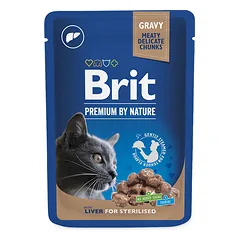
Brit Premium
0,33 €/kg
0,80 € / 2,4 kg
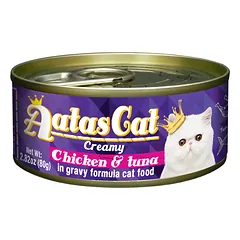
0,55 €/kg
1,05 € / 1,9 kg

0,55 €/kg
1,05 € / 1,9 kg

Tigerino
0,87 €/kg
20,89 € / 24 kg
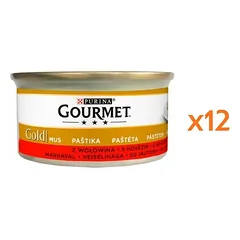
Gourmet
0,94 €/kg
0,96 € / 1,0 kg

Fitmin for Life
1,00 €/kg
0,80 € / 0,8 kg
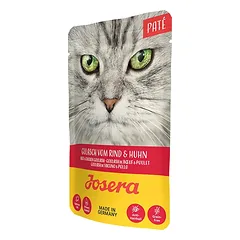
Josera
1,10 €/kg
1,49 € / 1,4 kg