

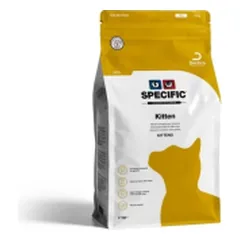
Specific
Specific FPD Kitten sausas maistas augantiems kačiukams, 400 kg
0,01 €/kg
5,59 € / 400 kg

Also known as: wolf cat, werewolf cat
The Lykoi holds only preliminary FIFe recognition, so it is still a very new breed. It arose as a natural mutation in a domestic shorthair cat in the United States at the start of the twenty-first century. The name comes from the Greek word for wolf. The coat is a mix of black and white hairs, and bare patches are often visible around the eyes, muzzle and ears. Adults typically weigh around 2.5 to 4.5 kilograms. The breed is new, so there is little data about it. It is usually described as active and curious. Life expectancy is typically around 12 to 15 years.
Preliminary FIFe recognition — the breed is not yet fully recognised.
Lykoi: how old in human years?
Energy level
Playfulness
Family friendly
Grooming need
Males 3–4.5 kg
Females 2.5–4 kg
Lykoi: average score for sociability and trainability is moderate.
Lykoi: average score for activity and living space is high.
Lykoi: average score for personality and communication is moderate.
Lykoi: grooming and shedding demands are low.
The 1–5 trait scores are editorial estimates, not measurements. Every cat is an individual, so treat them as a general guide.
While visitors drink tea in the living room, a Lykoi watches them from the hallway and takes its time coming closer; strangers have to earn its trust. With its own people it is a different cat: affectionate, curious, following you about and happy to curl up beside you on the sofa. It hardly raises its voice, saying what it wants with a look or a lean against your leg instead.
It has plenty of energy and a very strong hunting drive: it stalks a toy low to the ground, takes its time lining up, then pounces. Daily games with a wand or a ball, a scratching post and a few high perches for watching the world outside will help it let off steam. It can get along with calm children and dogs if introductions are gradual.
A flat suits it well, and indoor life suits it best: its thin coat is not one to trust in rain or frost. It will put up with a working day alone given toys and a warm spot by the window, but come evening it will be waiting for your company.
Every few months a Lykoi's coat can change almost beyond recognition: during a moult it thins out, sometimes nearly to bare skin, and then grows back in. There is almost nothing to comb; once a week, run a soft brush or a damp cloth over the body to lift the loose hairs, and that is enough. Such a thin coat gives little protection from cold or strong sun, so a warm bed in winter and some shade in summer will be welcome.
Where the hair is sparse the skin is in plain view, so look it over each week for flakes, redness or scabs. With so little hair around the eyes, any discharge in the corners is easy to spot; wipe it away gently with damp cotton wool. Check the ears too, that they are clean and free of any unpleasant smell.
The Lykoi is a young breed that lives twelve to fifteen years, and its sparse, patchy coat is a natural feature of the breed rather than an illness. Because more of the skin is on show than in other cats, it and the teeth deserve a little extra attention, and if you are getting a kitten, ask the breeder about the parents' health testing.
This is general information, not veterinary advice. For your own cat's health, tests and treatment, see a vet.
A skin condition in which immune cells damage the hair follicles and the hair falls out. Bare patches around the eyes and muzzle are simply part of a Lykoi, so what matters is not the bareness itself but a change: skin that starts to flake, thicken or crust. Show skin like that to a vet, who will decide what is going on.
Plaque, tartar and inflamed gums gradually make the mouth sore. A Lykoi is quiet and not one to complain, so the first thing you may notice is bad breath, or chewing on one side and dropping food out of the bowl. Ask the vet to check the mouth at every routine visit.
This list is the same on every cat breed page. Shops do not label cat food by breed, so it simply shows the cheapest cat food we track per kilogram. Check the label for your cat's age and health needs. Prices are updated daily.
≈ 56 g of dry food a day, from €3,21 a month For a neutered, normally active 3,5 kg cat. Calculate for your cat
Specific
0,01 €/kg
5,59 € / 400 kg
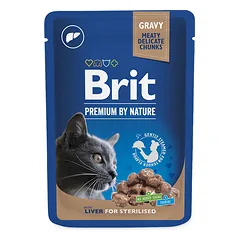
Brit Premium
0,33 €/kg
0,80 € / 2,4 kg

0,55 €/kg
1,05 € / 1,9 kg

0,55 €/kg
1,05 € / 1,9 kg

Tigerino
0,87 €/kg
20,89 € / 24 kg

Gourmet
0,94 €/kg
0,96 € / 1,0 kg

Fitmin for Life
1,00 €/kg
0,80 € / 0,8 kg
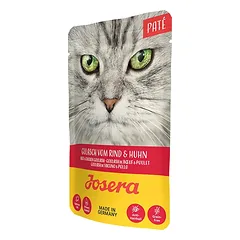
Josera
1,10 €/kg
1,49 € / 1,4 kg