

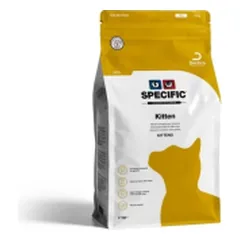
Specific
Specific FPD Kitten sausas maistas augantiems kačiukams, 400 kg
0,01 €/kg
5,59 € / 400 kg

Also known as: Don Hairless, Russian Hairless
The Don Sphynx comes from Russia, from around Rostov-on-Don, in the 1980s. The lack of hair is caused by a dominant gene, and the breed is not closely related to the Canadian Sphynx. The skin is wrinkled, the body is medium-sized and muscular, and adults typically weigh around 3 to 5 kilograms. The coat can be completely bare or have a thin downy covering. The skin needs care, so it is worth wiping it or bathing the cat now and then, and the cat needs warmth. The breed is usually attached, playful and fond of human company. Life expectancy is typically around 12 to 15 years.
Don Sphynx: how old in human years?
Energy level
Playfulness
Family friendly
Grooming need
Males 3.5–5 kg
Females 3–4 kg
Don Sphynx: average score for sociability and trainability is high.
Don Sphynx: average score for activity and living space is moderate.
Don Sphynx: average score for personality and communication is moderate.
Don Sphynx: grooming and shedding demands are low.
The 1–5 trait scores are editorial estimates, not measurements. Every cat is an individual, so treat them as a general guide.
If you wake to a hot little belly pressed against your feet under the duvet, the Don Sphynx moved in during the night. It hunts for warmth everywhere, on the laptop, by the radiator, on your lap, and makes no secret of the fact that a person is the best heater in the house. It is deeply attached, follows you about and wants a part in whatever you are doing.
It has enough energy to play, but it is no restless acrobat: after a round with a wand or a ball, it happily comes back to your arms. It is clever and learns easily, especially when lessons happen in a warm kitchen. It still needs a scratching post, and a soft, warm spot at the top of a cat tree or by the window will please it more than the top of a tall, chilly wardrobe.
A flat suits it perfectly, while outdoors its skin has no protection from sun or cold, so this is an indoor cat. It does not like long hours alone; it gets on well with children, other cats and friendly dogs, and another warm body for company is all to the good. With strangers it prefers to get acquainted from a distance at first, and its voice is moderate: enough to let you know what it is missing.
Stroke a Don Sphynx and you feel warm, soft skin rather than fur. It hardly sheds, but that does not mean it needs no care: there is no hair to soak up the skin's natural oils, so they stay on the skin, gather in the wrinkles and leave marks on the cushions. Every few days, wipe the body with a damp soft cloth, especially the neck, armpits and belly, and when the skin turns sticky, bathe the cat in warm water with a mild cat shampoo and dry it well with a towel.
Without a coat the skin is unprotected: it can burn in direct sun, and in a cool flat the cat feels the cold, so it needs a warm spot, a blanket and perhaps a little jumper in winter. Brown, greasy deposits build up in the large ears and around the claws: check and gently clean the ears every week, trim the nails regularly and wipe the skin folds around them. Clean the corners of the eyes with a damp cotton pad, and show any redness or spots on the skin to a vet.
How to do it:
By age:
We don't have reliable health information specific to this breed, so we don't list conditions here. Keep up regular vet check-ups, and if you are getting a kitten, ask the breeder about the parents' health testing.
This is general information, not veterinary advice. For your own cat's health, tests and treatment, see a vet.
This list is the same on every cat breed page. Shops do not label cat food by breed, so it simply shows the cheapest cat food we track per kilogram. Check the label for your cat's age and health needs. Prices are updated daily.
≈ 61 g of dry food a day, from €3,47 a month For a neutered, normally active 3,9 kg cat. Calculate for your cat
Specific
0,01 €/kg
5,59 € / 400 kg
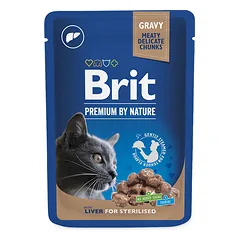
Brit Premium
0,33 €/kg
0,80 € / 2,4 kg

0,55 €/kg
1,05 € / 1,9 kg
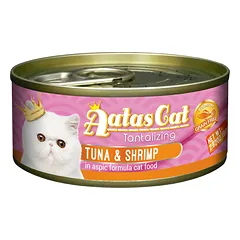
0,55 €/kg
1,05 € / 1,9 kg
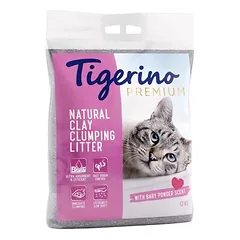
Tigerino
0,87 €/kg
20,89 € / 24 kg
Gourmet
0,94 €/kg
0,96 € / 1,0 kg
Fitmin for Life
1,00 €/kg
0,80 € / 0,8 kg
Josera
1,10 €/kg
1,49 € / 1,4 kg