

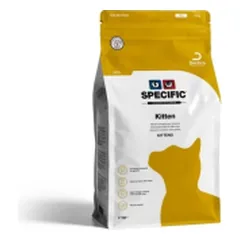
Specific
Specific FPD Kitten sausas maistas augantiems kačiukams, 400 kg
0,01 €/kg
5,59 € / 400 kg

Also known as: Chartreaux cat
The Chartreux is an old French breed, and its name is linked to a legend about the Carthusian monastery, although the exact historical connection is unclear. The cat is characterised by a bluish grey double short coat with a woolly undercoat, orange or copper eyes and a sturdy, muscular body. Males typically weigh around 4 to 7 kilograms. The coat is dense, so it is worth brushing more often while it is being shed. Chartreux cats are usually calm and quiet, rarely meowing, and they are natural hunters by instinct. The body often looks sturdier than the legs, with broad shoulders and relatively fine limbs. Life expectancy is typically around 12 to 15 years.
Chartreux: how old in human years?
Energy level
Playfulness
Family friendly
Grooming need
Males 4–7 kg
Females 2.5–5 kg
Chartreux: average score for sociability and trainability is moderate.
Chartreux: average score for activity and living space is moderate.
Chartreux: average score for personality and communication is moderate.
Chartreux: grooming and shedding demands are moderate.
The 1–5 trait scores are editorial estimates, not measurements. Every cat is an individual, so treat them as a general guide.
You can share a home with a Chartreux for a week without hearing a proper meow. It talks in soft chirps, a short purr or simply a look from those copper eyes, and it states its wishes by sitting exactly where you are bound to trip over it. In a household that values quiet, that is a gift.
Its energy is moderate, but as a hunter it is the serious kind: it follows a feather wand or a toy mouse on a string with its whole body and catches it without a sound. A few short play sessions a day suit it better than one long one. A big, heavy body needs a sturdy scratching post and shelves that do not wobble when several kilos of muscle land on them.
With its family it is gentle and attached, and it gets on calmly with children and friendly dogs, but it is in no hurry to greet visitors and prefers to watch them from a safe distance first. It copes with a working day alone without fuss, especially with a window to look out of, so flat life suits it well, and in the evening it will still come and settle beside you.
The Chartreux coat is short but double: a dense, slightly woolly undercoat holds the top hairs up, so it feels like plush under your hand and rain simply beads off it. In an ordinary week, one pass with a rubber brush or a wide-toothed comb is enough. In spring and autumn, when the undercoat changes, brush a few times a week, or the blue-grey fluff will end up on your dark trousers.
As you brush, part the coat and look at the skin: in a coat this thick a scratch or a scab is easy to miss. Wipe the corners of the eyes gently with a damp cotton pad, check that the ears are clean and smell of nothing, and trim the nails when they start catching in the carpet.
How to do it:
By age:
Solid, muscular and living twelve to fifteen years, the Chartreux brings no dramatic list. The things worth knowing about are a slipping kneecap, excess weight and dental disease. A yearly vet check-up and the occasional weigh-in at home will help you notice changes early.
This is general information, not veterinary advice. For your own cat's health, tests and treatment, see a vet.
The kneecap slides out of its groove, and the back leg briefly locks. You might see your Chartreux skip along on three legs for a few strides and then carry on as if nothing happened. Make a note of these episodes and tell a vet about them.
Excess weight is extra body fat that loads the joints and the whole body. A Chartreux is naturally heavy and compact, and its dense coat hides an extra half kilo very well, so run your fingers along its ribs now and then. A vet is the best judge of the right weight for your cat.
Plaque and tartar irritate the gums and make the mouth sore. A quiet Chartreux will not complain, so the only clues may be bad breath, chewing on one side or dropped bits of food beside the bowl. Ask a vet to look at the teeth at every check-up.
This list is the same on every cat breed page. Shops do not label cat food by breed, so it simply shows the cheapest cat food we track per kilogram. Check the label for your cat's age and health needs. Prices are updated daily.
≈ 69 g of dry food a day, from €3,94 a month For a neutered, normally active 4,6 kg cat. Calculate for your cat
Specific
0,01 €/kg
5,59 € / 400 kg
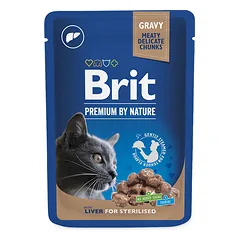
Brit Premium
0,33 €/kg
0,80 € / 2,4 kg

0,55 €/kg
1,05 € / 1,9 kg

0,55 €/kg
1,05 € / 1,9 kg

Tigerino
0,87 €/kg
20,89 € / 24 kg
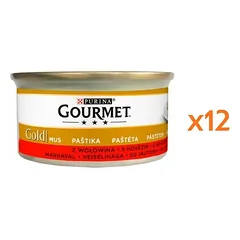
Gourmet
0,94 €/kg
0,96 € / 1,0 kg

Fitmin for Life
1,00 €/kg
0,80 € / 0,8 kg
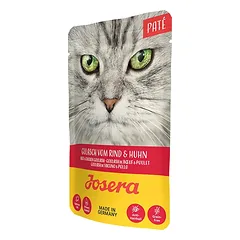
Josera
1,10 €/kg
1,49 € / 1,4 kg