

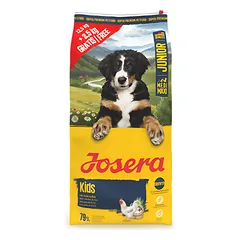
Josera
Josera Kids 12,5kg + 2,5kg = 15 kg
1,38 €/kg
37,89 € / 27,5 kg

Also known as: Otterhoun, Wetterhond, Dutch Spaniel, Dutch Water Dog, Frisian Water Dog
The Wetterhoun comes from the Friesland region of the Netherlands, where for centuries it worked farms as a water hunter and guard dog, going after otters and other fur game. The dense coat, tightly curled into small knots, is genuinely waterproof, letting the dog swim in cold water without soaking through to the skin. A male can reach 35 kilograms on a sturdy, muscular frame. This is an independent, strong-minded breed that suits an experienced owner, since it tends to make its own decisions rather than defer automatically. Around strangers it is often alert and vocal. Life expectancy runs 12 to 13 years.
Browse dog food sized right for this breed
Wetterhoun (Frisian Water Dog): how old in human years?
Energy level
Trainability
Family friendly
Grooming need
Males 55–59 cm
Females 51–56 cm
Males 24–35 kg
Females 22–32 kg
Wetterhoun (Frisian Water Dog)'s average temperament and family-life score for this breed is moderate.
Wetterhoun (Frisian Water Dog)'s energy and exercise needs are moderate.
Wetterhoun (Frisian Water Dog)'s guarding and alertness traits are high.
Wetterhoun (Frisian Water Dog)'s grooming needs are low.
On Frisian farms this dog spent a long time working by the water and guarding the yard, and it will bring both jobs into your home. The Wetterhoun notices every creak of the gate and tells you about it; as a guard it is serious, and with strangers it is fairly reserved. This is not a dog that wags hello at every passer-by.
It has energy to spare and will need long walks every day, and swimming whenever possible: water is its element. It is intelligent but has opinions of its own, so training goes well when you are calm, consistent and fair; harshness only deepens the stubbornness. Good socialisation from puppyhood matters a great deal, because it doesn't always get along with other dogs and takes its time warming to people it doesn't know.
With its family it is loyal and attached, though it shows affection without much ceremony. A flat is cramped for it; it does best in a house with a yard to watch over and an owner who happily heads to a river or lake at the weekend.
The Wetterhoun's coat is dense, tightly coiled into firm curls and waterproof: it climbs out of a canal, shakes, and most of the water ends up on your trousers rather than on the dog. Left alone, the coat looks after itself remarkably well. Every week or two, work through it with your fingers and a wide-toothed comb to pull out twigs and burrs, but don't brush it into fluff: the curls should stay curls. Shedding is moderate.
It seldom needs shampoo, since the coat's natural oils are what keep the water out; after a swim in a lake, a rinse with clean water and time to dry is enough. Lift the ears, which stay damp for a while after swimming, and check them weekly; redness, discharge or a bad smell is a reason to see a vet. Trim the nails if they don't wear down on their own.
We don't have reliable health information specific to this breed, so we don't list conditions here. Keep up regular vet check-ups, and if you are getting a puppy, ask the breeder about the parents' health testing.
This is general information, not veterinary advice. For your own dog's health, tests and treatment, see a vet.
This list is chosen by the breed's weight (35 kg) rather than the breed itself: shops label food by dog size, so every breed of the same size gets the same list. Prices are updated daily.
≈ 360 g of dry food a day, from €19,84 a month For a neutered, normally active 28,3 kg dog. Calculate for your dog
Josera
1,38 €/kg
37,89 € / 27,5 kg
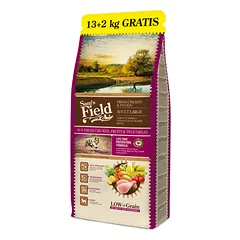
Sam's Field
1,80 €/kg
26,99 € / 15 kg

Country Dog
1,89 €/kg
28,29 € / 15 kg
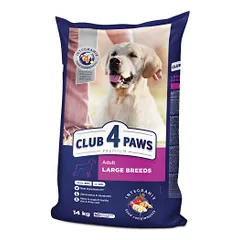
Club 4 Paws
1,92 €/kg
26,94 € / 14 kg
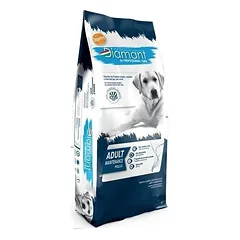
Diamant
1,93 €/kg
28,99 € / 15 kg
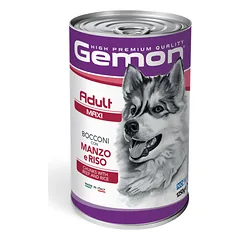
Gemon
1,94 €/kg
2,42 € / 1,3 kg
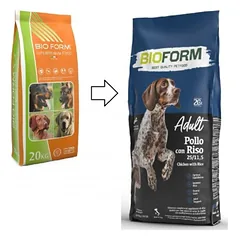
BIO FORM
2,00 €/kg
40,00 € / 20 kg
BIO FORM
2,00 €/kg
40,00 € / 20 kg