

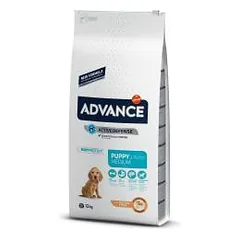
Advance
Advance Puppy Medium sausas maistas vidutinių veislių šuniukams, 12 kg
1,48 €/kg
17,76 € / 12 kg

Despite the name, the Tibetan Terrier is not actually a terrier: the breed developed in Tibetan monasteries, where dogs were kept as good-luck charms and watchers rather than as ratters. Broad, round, snowshoe-like paws let it move across deep Himalayan snow without sinking. The long, fine double coat protected it from extreme cold but needs consistent, thorough grooming to avoid matting. A male weighs up to 14 kilograms, on a square, sturdy frame. The breed was traditionally never sold, only given as a gift for good fortune, and it did not reach the West until the early 20th century, brought over by a British doctor. Life expectancy runs 12 to 15 years.
Browse dog food sized right for this breed
Tibetan Terrier: how old in human years?
Energy level
Trainability
Family friendly
Grooming need
Males 36–41 cm
Females 34–39 cm
Males 8–14 kg
Females 8–13 kg
Tibetan Terrier's average temperament and family-life score for this breed is moderate.
Tibetan Terrier's energy and exercise needs are moderate.
Tibetan Terrier's guarding and alertness traits are moderate.
Tibetan Terrier's grooming needs are moderate.
The first snow of the year is a festival for a Tibetan Terrier: it dives into drifts, comes back with beads of ice on its legs and looks happier than anyone else in the yard. Despite the name, there is little terrier in it. This is a companion from the Tibetan mountains rather than a dog bred to go down holes, lively, curious and deeply attached to its people.
It needs proper exercise: a long walk, a run off the lead somewhere safe, and games that make it think. Flat life can work if it gets out for a good stretch every day; otherwise the energy turns into laps around the sofa. It gets on happily with other dogs, and is at its best with children who already know how to be gentle with a dog.
Clever but independent, it understands a command the first time and then decides for itself whether to follow it. Short, varied sessions with treats and praise get you further than firmness. Strangers are watched from a polite distance first, and every courier will be announced out loud: not much of a guard, but a very reliable doorbell.
The Tibetan Terrier's coat was made for mountain wind: a long, fine top coat over a woolly undercoat. You won't find much hair on the floor, but that is a bargain rather than a gift, because the hair that falls stays tangled in the coat and within days twists into mats, especially behind the ears, in the armpits and down the back legs. Brush a full coat several times a week, ideally daily, layer by layer right down to the skin; when the puppy coat gives way to the adult one, mats form at alarming speed. If your time is worth more to you than the look, a short trim at the groomer every several weeks makes life easier for both of you. Check the skin as you go, since redness, flakes or scratch marks can hide for a long time under that much hair.
The fringe falls straight over the eyes, so tie it up or trim it enough that hair doesn't poke into them, and wipe the corners of the eyes now and then with a soft damp cloth. The ears hang down under a covering of hair, so look inside once a week: they should be clean, pale and odour-free. Tufts of hair grow between the pads of those big, flat feet and collect little balls of snow in winter, so keep them trimmed.
Under that cloud of coat lives a sturdy, medium-sized dog that may share twelve to fifteen years with you. What follows is not a prophecy but a map: the eyes, the joints, the skin and the metabolism are the places worth a closer look now and then. Noticing changes is your job; deciding what they mean is the vet's.
This is general information, not veterinary advice. For your own dog's health, tests and treatment, see a vet.
This is an umbrella term for a range of eye troubles, from changes in the lens or retina to inflammation. You might notice squinting, a watery or reddened eye, or a dog who suddenly hesitates on stairs at dusk that it used to take at a run. A Tibetan Terrier's eyes sit behind a long fringe, so changes are easy to miss: lift the hair, look closely, and take anything that worries you to the vet.
Hip dysplasia is a fault in how the hip joint forms: the ball of the thigh bone sits too loosely in its socket, so the joint wears faster than it should. After a long hike your dog might rise stiffly, run with both hind legs pushing off together like a rabbit, or balk at jumping into the car. A Tibetan Terrier is an active walker, so a change like that is worth showing a vet rather than putting down to tiredness.
The kneecap, a small bone at the front of the knee, can slip out of its groove and a moment later slide back in. Mid-walk, your dog seems to forget a hind leg for a few strides, hops along on three, then carries on as though nothing happened. Under a Tibetan Terrier's thick coat leg movement is hard to read, so film an episode on your phone and show it to the vet.
In diabetes the body lacks insulin and can no longer keep blood sugar where it belongs. The first signs are thoroughly ordinary: the water bowl empties faster, your dog keeps asking to go out, and weight drops even though the appetite is excellent. Tibetan Terriers live long lives, so changes like these are worth writing down and taking to a vet, who will decide which tests are needed.
Atopic dermatitis is a skin allergy to things in the environment, such as pollen or house dust mites, that leaves the skin itchy and red. Your dog licks its paws, rubs its face along the carpet, scratches at its armpits or belly, and the itch may flare at certain times of year. Reddened skin is easy to overlook under a Tibetan Terrier's long coat, so glance at the skin while you brush, and take persistent scratching to the vet.
This list is chosen by the breed's weight (14 kg) rather than the breed itself: shops label food by dog size, so every breed of the same size gets the same list. Prices are updated daily.
≈ 175 g of dry food a day, from €9,63 a month For a neutered, normally active 10,8 kg dog. Calculate for your dog
Advance
1,48 €/kg
17,76 € / 12 kg
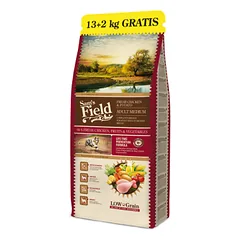
Sam's Field
1,80 €/kg
26,99 € / 15 kg

Country Dog
1,89 €/kg
28,29 € / 15 kg
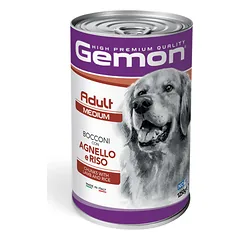
Gemon
1,94 €/kg
2,42 € / 1,3 kg
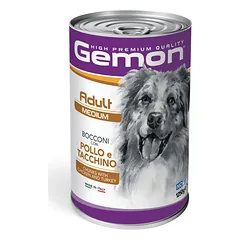
Gemon
1,94 €/kg
2,42 € / 1,3 kg
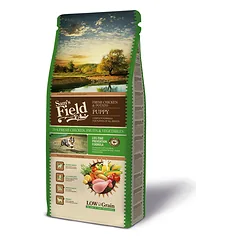
Sam's Field
2,11 €/kg
27,45 € / 13 kg
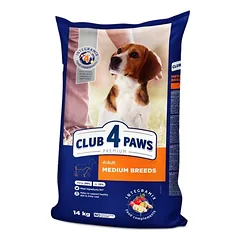
2,14 €/kg
30,00 € / 14 kg
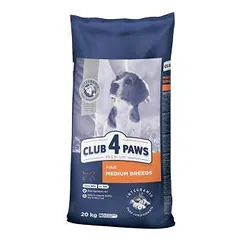
Club 4 Paws
2,15 €/kg
42,99 € / 20 kg