


VetExpert
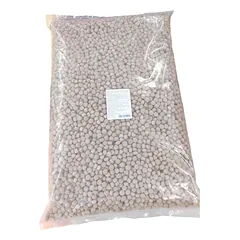
Raw Paleo Dog Ultra Mini Puppy Beef 750 kg
0,02 €/kg
13,09 € / 750 kg

The Tibetan Spaniel, despite the name, is not a sporting spaniel at all, it was a small watchdog kept in Tibetan monasteries, often perched on the walls to raise an alarm at approaching visitors. Legend also credits it with helping turn prayer wheels, though that detail is repeated more as folklore than documented fact. The medium-length silky double coat needs regular but not especially demanding brushing. Weighing only around 6 to 7 kilograms, the breed is independent and can seem almost cat-like, content to watch the world from a raised perch. It bonds closely with its family but stays reserved with strangers. Life expectancy runs 12 to 15 years.
Browse dog food sized right for this breed
Tibetan Spaniel: how old in human years?
Energy level
Trainability
Family friendly
Grooming need
Males 24–26 cm
Females 22–25 cm
Males 4–7 kg
Females 4–6 kg
Tibetan Spaniel's average temperament and family-life score for this breed is moderate.
Tibetan Spaniel's energy and exercise needs are moderate.
Tibetan Spaniel's guarding and alertness traits are moderate.
Tibetan Spaniel's grooming needs are low.
Where does a Tibetan Spaniel sit? Most likely in the highest spot with a view of the whole yard: the back of the sofa, a windowsill or the landing on the stairs. This little dog grew up in Tibetan monasteries, where, so the story goes, it kept watch from the walls and announced visitors. The watchfulness stayed: it will notice every footstep on the stairwell and report it, briefly but clearly, though it is no chatterbox otherwise.
It has enough energy for games and daily walks but asks for no marathons, so it does very well in a flat. It is clever but independent, at times more cat than dog: it will respond to your request once it has decided it is worth it. Patience, treats and short sessions work better here than a stern voice.
With its family it is affectionate and devoted, it gets on with children who handle it gently, and it shows strangers some reserve at first. It wants to be near its people, so long hours alone are not its strong suit. In the evening it will settle on your lap or on a cushion beside you and, naturally, carry on keeping an eye on the house from there.
A Tibetan Spaniel's coat is silky, double and of moderate length: lying flat on the body, with longer feathering on the ears, neck, back of the legs and tail, and a little mane around the neck. Brushing once or twice a week is enough, with most attention on the ear feathering and behind the ears, where hair likes to tangle. Shedding is moderate, though more undercoat comes out as the seasons change, so brush more often then.
While you brush, check the skin: a silky coat can hide redness or a tick. The large, dark eyes sometimes water, so wipe the corners with a damp cloth and show a red eye to a vet. Look inside the hanging, feathered ears once a week, and trim the hair between the pads so your dog doesn't slide on the floor.
A dog that weighs just a few kilos yet behaves like the head of the household, the Tibetan Spaniel is sturdier than it looks and can live twelve to fifteen years. Two conditions are linked to the breed: one affects the knees, the other the eyes. Knowing their signs helps you catch them in good time, and if you are getting a puppy, ask the breeder about the parents' health testing.
This is general information, not veterinary advice. For your own dog's health, tests and treatment, see a vet.
The kneecap slips out of its groove and for a moment the dog can't bend its leg normally. You may notice your Tibetan Spaniel skipping on three legs for a few strides or kicking a hind leg out backwards, then walking on as if nothing happened. A small dog that loves jumping onto sofas and windowsills puts more strain on its knees than you'd think, so show a vet any skipping that keeps coming back.
This is an inherited disease in which the retina slowly wastes away and sight fades, first in dim light. Your dog may stop wanting to go out in the evening, bump into furniture in a dark room or no longer dare to jump down from its favourite windowsill. If you notice changes like these, discuss them with a vet.
This list is chosen by the breed's weight (7 kg) rather than the breed itself: shops label food by dog size, so every breed of the same size gets the same list. Prices are updated daily.
≈ 105 g of dry food a day, from €5,65 a month For a neutered, normally active 5,3 kg dog. Calculate for your dog
VetExpert
0,02 €/kg
13,09 € / 750 kg
1,70 €/kg
17,02 € / 10 kg

Real Dog
1,78 €/kg
17,79 € / 10 kg
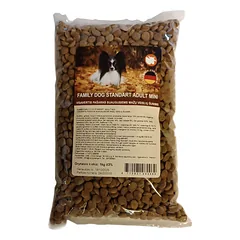
Family Dog
1,89 €/kg
1,89 € / 1 kg

Club 4 Paws
1,93 €/kg
26,99 € / 14 kg

Club 4 Paws
1,93 €/kg
26,99 € / 14 kg

Real Dog
1,94 €/kg
19,42 € / 10 kg

Real Dog
1,95 €/kg
19,49 € / 10 kg