


VetExpert
Raw Paleo Dog Ultra Mini Puppy Beef 750 kg
0,02 €/kg
13,09 € / 750 kg

The Phalène is the drop-eared version of the Papillon, its name French for moth, a nod to how the folded ears resemble a moth's closed wings rather than the butterfly-like spread of its erect-eared cousin. For a long stretch of the breed's history this was actually the more common form, before the erect-eared variety overtook it in popularity during the 20th century. The body matches the Papillon's proportions exactly, up to 5 kilograms, agile and alert. The long, silky single coat needs regular but uncomplicated brushing. The temperament is outgoing and curious, with little fear of larger dogs despite its size. Close with family and quick to learn. Life expectancy runs 14 to 16 years.
Browse dog food sized right for this breed
Phalene: how old in human years?
Energy level
Trainability
Family friendly
Grooming need
Males 20–28 cm
Females 20–28 cm
Males 3.5–5 kg
Females 3.5–5 kg
Phalene's average temperament and family-life score for this breed is high.
Phalene's energy and exercise needs are moderate.
Phalene's guarding and alertness traits are moderate.
Phalene's grooming needs are low.
Its name comes from the French word for moth, and you can see why once you notice those dropped, fringed ears, folded like resting wings. The Phalene is the drop-eared variety of the Continental Toy Spaniel, the closest relative of the Papillon, and the same quick mind hides behind a slightly gentler look. It is lively and curious, but its exercise needs are modest: a few walks and some games indoors are enough, so it is perfectly at home in a flat.
It learns astonishingly fast and loves working with its person: tricks, obedience or agility give it real joy, and a small treat counts as a medal. Alert by nature, it reports every sound outside the door, so teach polite barking from the start. And remember that it is always learning, even when you aren't teaching: let it on the sofa once and you have a new house rule.
It is affectionate, likes to stay close and gets on well with other dogs, even big ones. It is friendly with children, but such a small, light dog can be hurt if it is dropped or stepped on, so show young children how to handle it. It watches strangers with some reserve at first, but not for long: within a few minutes it is usually sitting squarely in the new person's path.
The Phalene wears a long, fine, silky coat with no undercoat, with long fringes on its dropped ears, chest, legs and plumed tail. It may look freshly groomed at all times, but it is not hard to keep: it sheds little and mostly tangles where hair rubs, behind the ears, in the armpits and on the trousers. Comb it through twice a week with a wide-and-fine-toothed comb, starting in those spots, and the coat will stay light and glossy.
Dropped, fringed ears get less air than upright ones, so check them weekly and wipe them if needed. With no undercoat, a small dog gets cold quickly, so a jumper is useful on a cold, wet day. The teeth sit close together in that small jaw, so brush them with a dog toothbrush as often as you can, and keep the nails and the hair between the pads short so it doesn't skid on the floor.
We don't have reliable health information specific to this breed, so we don't list conditions here. Keep up regular vet check-ups, and if you are getting a puppy, ask the breeder about the parents' health testing.
This is general information, not veterinary advice. For your own dog's health, tests and treatment, see a vet.
This list is chosen by the breed's weight (5 kg) rather than the breed itself: shops label food by dog size, so every breed of the same size gets the same list. Prices are updated daily.
≈ 88 g of dry food a day, from €4,82 a month For a neutered, normally active 4,3 kg dog. Calculate for your dog
VetExpert
0,02 €/kg
13,09 € / 750 kg
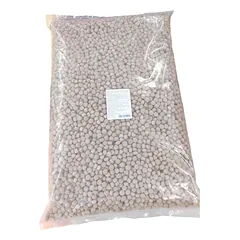
1,70 €/kg
17,02 € / 10 kg

Real Dog
1,78 €/kg
17,79 € / 10 kg
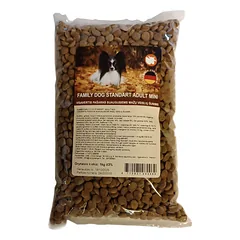
Family Dog
1,89 €/kg
1,89 € / 1 kg

Club 4 Paws
1,93 €/kg
26,99 € / 14 kg

Club 4 Paws
1,93 €/kg
26,99 € / 14 kg

Real Dog
1,94 €/kg
19,42 € / 10 kg

Real Dog
1,95 €/kg
19,49 € / 10 kg