

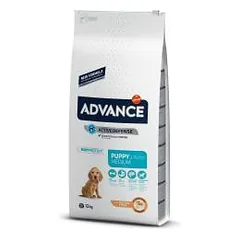
Advance
Advance Puppy Medium sausas maistas vidutinių veislių šuniukams, 12 kg
1,48 €/kg
17,76 € / 12 kg

Also known as: Elk-Hound, Norwegian Moose Dog
The Norwegian Elkhound is one of Scandinavia's oldest spitz breeds, linked by archaeological finds to Iron Age dogs that hunted moose, holding the animal in place with loud barking until the hunter arrived. The dense, harsh grey double coat withstands Scandinavia's harshest winter cold and sheds heavily each year. A build up to 23 kilograms stays compact but sturdy, built to endure snow and cold through a full working day. The breed is bold and independent, and tends to bark readily when something seems out of place. Life expectancy runs 12 to 15 years.
Browse dog food sized right for this breed
Norwegian Elkhound (Grey): how old in human years?
Energy level
Trainability
Family friendly
Grooming need
Males 49–54 cm
Females 46–51 cm
Males 20–23 kg
Females 18–20 kg
Norwegian Elkhound (Grey)'s average temperament and family-life score for this breed is moderate.
Norwegian Elkhound (Grey)'s energy and exercise needs are moderate.
Norwegian Elkhound (Grey)'s guarding and alertness traits are moderate.
Norwegian Elkhound (Grey)'s grooming needs are moderate.
You will hear it first: a high, ringing, relentless bark from deep in the woods. That is how the Norwegian Elkhound worked for centuries in the forests of Norway, finding a moose and holding it in place with its voice until the hunter arrived. The voice hasn't gone anywhere, so you will hear about every passer-by, squirrel and delivery van at once, and, sadly, so will the neighbours. It is no aggressive guard, though: a watchful announcer rather than a defender.
It needs plenty of exercise: long walks, hikes, running beside a bike on a cool day, or whole hours in the forest. It is clever but independent, as befits a dog that made its own decisions far from the hunter: keep training short, interesting and consistent, and don't expect blind obedience. Its hunting instinct is strong, so let it off the lead only somewhere fenced, because once it catches a scent it may not hear you calling.
With its family it is friendly, cheerful and patient with children, and it likes to be included in every adventure. A flat is too small for it; the best home has a fenced garden and owners who don't see rain or snow as a reason to skip a walk. Cold suits it fine, but on a hot summer day the most active part of the day is best kept for the morning or evening.
A Norwegian Elkhound's coat is made for a northern winter: harsh, straight outer hair over a dense, soft undercoat that could stuff a few cushions. For much of the year, a brush and a wide-toothed comb down to the skin once or twice a week is enough, but during the moult the undercoat comes out in whole clouds of fluff, and then a daily session is worth it, ideally outdoors. The harsh outer hair holds little dirt: once dry, most of it simply falls out through the comb.
Feel the skin as you brush: a lump or redness is easy to miss under an undercoat this thick. An Elkhound needs bathing only rarely, and after a bath it should be dried right through to the undercoat, not just on top. Check the upright ears once a week and after forest walks: inside they should be clean and free of smell. Wipe the corners of the eyes with a damp cloth when needed, and show your vet eyes that look red or cloudy.
This hunter of northern forests lives around twelve to fifteen years, and a good share of them are active ones. Its health list is not long, but it is varied: eyes, joints, skin, weight and kidneys, so it pays now and then to see your dog not only as a friend but as a patient. If you are choosing a puppy, ask the breeder about the parents' health testing.
This is general information, not veterinary advice. For your own dog's health, tests and treatment, see a vet.
PRA is an inherited disease in which the retina at the back of the eye slowly wastes away and sight fades, first in dim light. The dog may move hesitantly at dusk, bump into things or be reluctant to go out into a dark garden, and its pupils can look wide and unusually reflective. A Norwegian Elkhound leans heavily on its nose, so it can hide failing sight for quite a while; if you have doubts, talk to your vet.
Hip dysplasia is a fault in how the hip joint develops: the ball of the thigh bone doesn't sit snugly in its socket, and the joint wears over time. You might notice stiffness on getting up, reluctance on the stairs, or a bunny-hopping run with both back legs moving together. A Norwegian Elkhound is built for long treks through the forest, so if it starts cutting walks short on its own, have your vet take a look.
Sebaceous cysts are small, round lumps in the skin that form when an oil gland gets blocked. You may feel one while brushing, a firm or soft bump under the coat that sometimes bursts and releases a greyish paste. A Norwegian Elkhound's dense coat hides lumps like these well, so feel the skin regularly and show your vet any new lump: only they can tell what it is.
Obesity is carrying too much body fat, which puts strain on the joints, heart and breathing. You might notice that you can no longer feel the ribs, the waist has vanished, and the dog tires sooner. A Norwegian Elkhound's thick coat is very good at hiding extra kilos, so check its weight with your hands rather than your eyes, and bring it up at every vet visit.
Fanconi syndrome is a kidney disorder in which the kidneys stop returning useful substances, such as sugar and salts, to the blood, so they are lost in the urine. The dog drinks a lot and pees a lot, and may lose weight or become listless. These signs creep in slowly and are easy to blame on a hot day, so if your Elkhound's water bowl keeps emptying faster than it used to, tell your vet.
This list is chosen by the breed's weight (23 kg) rather than the breed itself: shops label food by dog size, so every breed of the same size gets the same list. Prices are updated daily.
≈ 280 g of dry food a day, from €15,46 a month For a neutered, normally active 20,3 kg dog. Calculate for your dog
Advance
1,48 €/kg
17,76 € / 12 kg
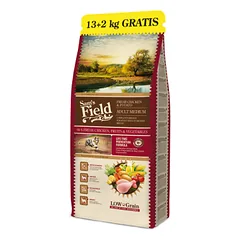
Sam's Field
1,80 €/kg
26,99 € / 15 kg

Country Dog
1,89 €/kg
28,29 € / 15 kg
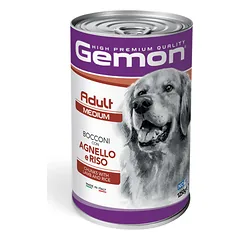
Gemon
1,94 €/kg
2,42 € / 1,3 kg
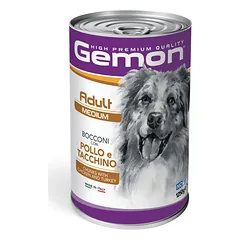
Gemon
1,94 €/kg
2,42 € / 1,3 kg
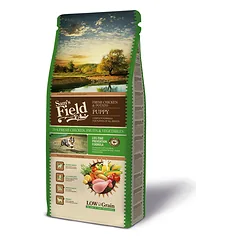
Sam's Field
2,11 €/kg
27,45 € / 13 kg
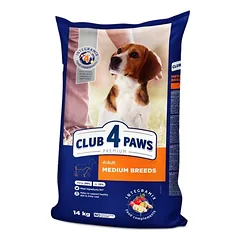
2,14 €/kg
30,00 € / 14 kg
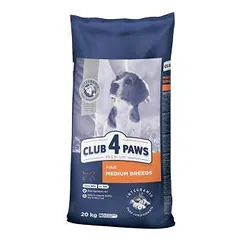
Club 4 Paws
2,15 €/kg
42,99 € / 20 kg