

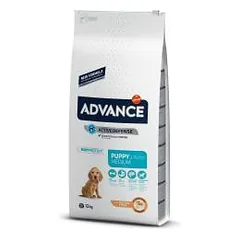
Advance
Advance Puppy Medium sausas maistas vidutinių veislių šuniukams, 12 kg
1,48 €/kg
17,76 € / 12 kg

The Kromfohrlander is one of the youngest breeds recognized by the FCI, emerging in Germany after the Second World War when a French Foxhound left behind during a military retreat crossed with local Fox Terriers. The name was coined by its first breeder, Ilse Schleifenbaum, combining Krom, the name of one of the first puppies, with Foxhound-Terrier. The breed recognizes two coat varieties, wire-haired and smooth-haired, under a single standard, and a male weighs around 16 kilograms. In temperament it is lively, friendly, and devoted to its family without the sharp hunting drive of its terrier ancestors. Because of its recent origin, genetic diversity is considered one of the breed's real advantages. Life expectancy runs 13 to 15 years.
Browse dog food sized right for this breed
Kromfohrlander: how old in human years?
Energy level
Trainability
Family friendly
Grooming need
Males 38–46 cm
Females 38–46 cm
Males 9–16 kg
Females 9–16 kg
Kromfohrlander's average temperament and family-life score for this breed is high.
Kromfohrlander's energy and exercise needs are moderate.
Kromfohrlander's guarding and alertness traits are moderate.
Kromfohrlander's grooming needs are low.
Say "walk" and a Kromfohrlander is at the door, even if you were only taking out the rubbish. This is a young German companion breed, made to live with people, and it shows: it is deeply attached to its family, wonderful with children and other dogs, and inclined to give strangers a slightly reserved once-over first. It is watchful and will tell you someone has arrived, but it has little of the guard dog's zeal.
It has a good amount of energy, enjoys being on the move, and learns willingly and quickly, so scent games, tricks or agility suit it nicely. Its prey drive is moderate, so teach a reliable recall before the day you meet a hare or a cat-filled courtyard.
A typical day: an active morning walk, games and training at home, a longer outing in the evening, and in between, being wherever you are. It can live in a flat if it gets exercise every day, but it copes poorly with long hours alone: for this dog, the family is not an extra, it is the whole point.
The Kromfohrlander comes in two varieties: the rough-haired, whose beard and eyebrows lend it a slightly professorial air, and the smooth-haired, with a shorter, sleeker coat. Neither sheds much, so a brush once or twice a week is enough, and now and then the rough-haired coat benefits from having the old, loose hairs plucked out to keep it neat.
Give the beard a wipe after meals and drinks so it doesn't carry leftovers around, and part the coat as you brush to check the skin. Lift the drop ears once a week to see that they are clean, and check between the toes after a walk through long grass.
We don't have reliable health information specific to this breed, so we don't list conditions here. Keep up regular vet check-ups, and if you are getting a puppy, ask the breeder about the parents' health testing.
This is general information, not veterinary advice. For your own dog's health, tests and treatment, see a vet.
This list is chosen by the breed's weight (16 kg) rather than the breed itself: shops label food by dog size, so every breed of the same size gets the same list. Prices are updated daily.
≈ 195 g of dry food a day, from €10,76 a month For a neutered, normally active 12,5 kg dog. Calculate for your dog
Advance
1,48 €/kg
17,76 € / 12 kg
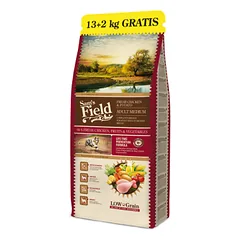
Sam's Field
1,80 €/kg
26,99 € / 15 kg

Country Dog
1,89 €/kg
28,29 € / 15 kg
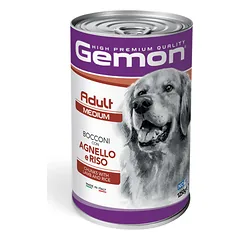
Gemon
1,94 €/kg
2,42 € / 1,3 kg
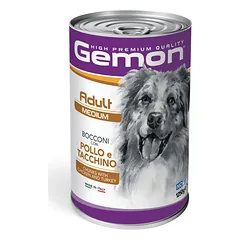
Gemon
1,94 €/kg
2,42 € / 1,3 kg
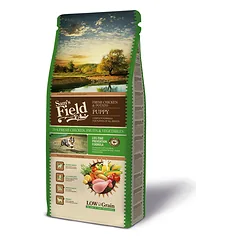
Sam's Field
2,11 €/kg
27,45 € / 13 kg

2,14 €/kg
30,00 € / 14 kg
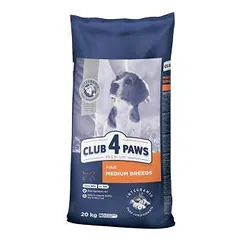
Club 4 Paws
2,15 €/kg
42,99 € / 20 kg