


VetExpert
Raw Paleo Dog Ultra Mini Puppy Beef 750 kg
0,02 €/kg
13,09 € / 750 kg

Also known as: Kobe Terrier, Oyuki Terrier, Mikado Terrier, Nippon Terrier
The Japanese Terrier took shape in the early 20th century around the port of Yokohama, where local dogs were crossed with fox terriers brought ashore by European sailors. The result stayed rare even at home and remains little known outside Japan. It's a small, lean dog, a male rarely exceeds 6 kilograms, with a smooth, short coat that needs almost no grooming. Temperament runs lively and alert, keeping the terrier's characteristic curiosity and eagerness to investigate its surroundings. The breed was never produced in large numbers, which is why it's counted among the rarest FCI-recognized terriers today. Life expectancy runs 12 to 15 years.
Browse dog food sized right for this breed
Japanese Terrier: how old in human years?
Energy level
Trainability
Family friendly
Grooming need
Males 30–33 cm
Females 30–33 cm
Males 4–6 kg
Females 4–6 kg
Japanese Terrier's average temperament and family-life score for this breed is moderate.
Japanese Terrier's energy and exercise needs are moderate.
Japanese Terrier's guarding and alertness traits are low.
Japanese Terrier's grooming needs are low.
It weighs less than a full bag of shopping, yet it walks into a room like the owner of the place. The Japanese Terrier is a small, rare dog and probably the calmest terrier you will meet: lively, but without the frenzy. A few moderate walks a day and some play indoors are enough, after which it is happy to nap in your lap.
It is reasonably clever and learns willingly when sessions are short and fun, though a streak of terrier stubbornness does turn up. Its hunting drive is milder than that of many of its relatives, but a running cat may still prove too tempting. It isn't a big talker and announces visitors in moderation; you won't get a guard dog, but you won't get complaints from the neighbours either.
A flat suits it perfectly, which is one of its biggest selling points for city people. It is devoted to its family, likes to be close, and is friendly with other dogs and visitors. It gets on with children, but its small size and slight build call for calm, careful playmates: a leap off the sofa or an accidental kick can hurt it more than it would a bigger dog.
Stroke a Japanese Terrier once and you will understand why its coat gets compared to velvet: the hair is very short, fine and glossy, lying flat against the body. It barely sheds, so it leaves hardly a trace on a dark sofa. A weekly pass with a soft brush or a damp mitt is all it takes. Baths are rarely needed, and afterwards dry the dog thoroughly.
A coat this thin offers almost no protection from cold and damp, so in autumn rain and in winter this little dog will need a warm jacket, and sometimes a shorter walk. With the skin right there under the hair, check it once a week for scratches, ticks or irritation, and in summer keep the dog out of fierce sun. Trim the nails regularly, since a small dog wears them down very little.
We don't have reliable health information specific to this breed, so we don't list conditions here. Keep up regular vet check-ups, and if you are getting a puppy, ask the breeder about the parents' health testing.
This is general information, not veterinary advice. For your own dog's health, tests and treatment, see a vet.
This list is chosen by the breed's weight (6 kg) rather than the breed itself: shops label food by dog size, so every breed of the same size gets the same list. Prices are updated daily.
≈ 99 g of dry food a day, from €5,40 a month For a neutered, normally active 5 kg dog. Calculate for your dog
VetExpert
0,02 €/kg
13,09 € / 750 kg
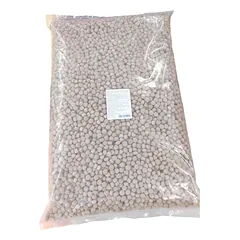
1,70 €/kg
17,02 € / 10 kg

Real Dog
1,78 €/kg
17,79 € / 10 kg
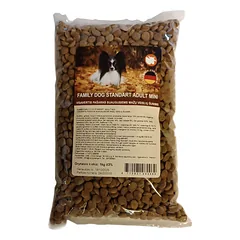
Family Dog
1,89 €/kg
1,89 € / 1 kg

Club 4 Paws
1,93 €/kg
26,99 € / 14 kg

Club 4 Paws
1,93 €/kg
26,99 € / 14 kg

Real Dog
1,94 €/kg
19,42 € / 10 kg

Real Dog
1,95 €/kg
19,49 € / 10 kg