


VetExpert
Raw Paleo Dog Ultra Mini Puppy Beef 750 kg
0,02 €/kg
13,09 € / 750 kg

Also known as: Chin, Japanese Spaniel, Japanese pug
The Japanese Chin was kept for centuries in the imperial courts and noble households of Japan as a decorative companion, though some accounts trace the breed's true origin to China, given as a gift to Japanese nobility. The flat face and large, round eyes are the direct result of selective breeding aimed at a look resembling a lion or a chrysanthemum blossom. The long, straight, silky coat needs regular brushing, and adult weight sits at only about 4.5 kilograms. The breed is known for near-feline habits: Chins like to perch up high, wash their faces with a paw like a cat, and some even make a chirping, purr-like sound. Because of its short muzzle, the breed runs sensitive to heat and tolerates strenuous exercise in warm weather poorly. Life expectancy runs 12 to 14 years.
Browse dog food sized right for this breed
Japanese Chin: how old in human years?
Energy level
Trainability
Family friendly
Grooming need
Males not specified
Females not specified
Males 1.8–4.5 kg
Females 1.8–4.5 kg
Japanese Chin's average temperament and family-life score for this breed is moderate.
Japanese Chin's energy and exercise needs are low.
Japanese Chin's guarding and alertness traits are low.
Japanese Chin's grooming needs are low.
A morning with a Japanese Chin starts with it carefully washing its face with its paws, much like a cat, and only then deciding it is time to greet you. It was bred to be a companion and it shows in everything: a Chin wants to be wherever you are, loves soft spots and quiet evenings, yet it is curious, playful and surprisingly funny.
It needs no great expeditions: a few short walks and some games indoors are plenty, and on a hot day it is better off in the shade. A flat suits it perfectly, it barks little, and it gets along with other dogs and visitors. It is clever and can learn, but it works more out of affection for you than out of duty, so short sessions with treats and a gentle voice achieve more than strictness.
It gets on with children as long as they are gentle: a dog of a few kilos is easy to drop or tread on by accident. What the Chin itself likes best is a calm home where someone lifts it onto their lap and lets it watch the world from on high, ideally from the back of the sofa.
A Chin's coat is long, straight and silky, more like strands of silk than wool, so it tangles less than you might expect. Run a brush and comb through it a few times a week, paying attention to the spots behind the ears, under the armpits and on the "trousers", where tangles form fastest. Shedding is light and it needs no clipping; just trim the hair between the paw pads now and then so your dog doesn't skid on the floor.
The big, prominent eyes are the most delicate spot: wipe the corners with a damp cloth every day and watch for any redness or clouding. Check the long-feathered ears once a week, as dirt hides well under all that hair. While brushing, look at the skin under the coat too, and keep the little folds of the face and the hair around the nose dry and clean.
A Japanese Chin weighs only a few kilos, yet that small body holds a short muzzle, big prominent eyes and delicate joints, which is why a fairly long list of conditions is linked to the breed. That doesn't mean your dog will have them one after another: many Chins live twelve to fourteen years and stay bright and lively. What matters is knowing your dog, noticing changes in time and talking to a vet when in doubt; if you are getting a puppy, ask the breeder about the parents' health testing.
This is general information, not veterinary advice. For your own dog's health, tests and treatment, see a vet.
Because of the short muzzle, a Chin's nostrils, throat and soft palate can be too narrow, so air has a harder time getting through. You might hear snoring, snorting after a short game, or notice your dog tiring quickly on a warm day. A Chin copes badly with heat, and if it starts struggling for breath, its gums turn bluish or it collapses, it needs a vet immediately.
This is an inherited disease of the nervous system: a missing enzyme lets fatty substances build up in the cells and gradually damage the brain. A young dog's walk may become unsteady, it may start trembling, see less well or behave differently from before. If a young Chin starts wobbling or changing like this, take it to a vet, and if you are getting a puppy, ask the breeder about the parents' health testing.
The kneecap slips out of its groove, and for a moment the dog can't bend its leg properly. You might see a Chin suddenly lift a hind leg mid-run, hop a few steps on three legs and then carry on as if nothing happened. For such a small dog it pays to spare the joints from leaps off the sofa, and a skip that keeps coming back is worth showing to a vet.
The lens of the eye slowly clouds over and lets less and less light through. In a Chin's big dark eyes you may first notice a milky blue tinge in the pupil, or that your dog moves less confidently at dusk. Show any clouding of the eye to a vet.
The eyelid rolls inwards, so the lashes or hairs rub against the surface of the eye. The dog may squint, paw at the eye, weep or have a red eye. A Chin's eyes are large and exposed, so any eye irritation is worth showing to a vet promptly.
Extra eyelashes grow along the edge of the eyelid and can touch the eye. You might notice weeping, blinking or a wet patch under the eye, though sometimes the dog doesn't seem to feel them at all. Since a Chin's eyes are sensitive, constant weeping or irritation deserves a vet's look.
This is an umbrella term for conditions in which the heart gradually works less well. You might notice your Chin tiring sooner, coughing, especially at night, or breathing faster at rest than it used to. Regular vet check-ups help catch changes early, and sudden weakness or collapse needs a vet immediately.
This list is chosen by the breed's weight (5 kg) rather than the breed itself: shops label food by dog size, so every breed of the same size gets the same list. Prices are updated daily.
≈ 71 g of dry food a day, from €3,87 a month For a neutered, normally active 3,2 kg dog. Calculate for your dog
VetExpert
0,02 €/kg
13,09 € / 750 kg
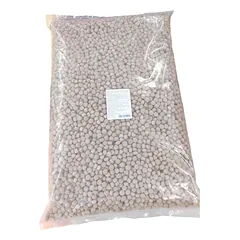
1,70 €/kg
17,02 € / 10 kg
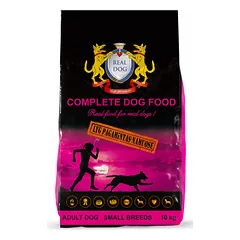
Real Dog
1,78 €/kg
17,79 € / 10 kg
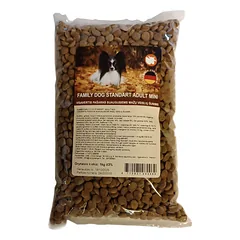
Family Dog
1,89 €/kg
1,89 € / 1 kg
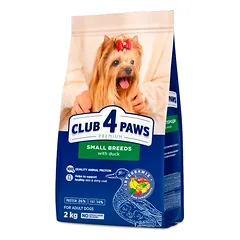
Club 4 Paws
1,93 €/kg
26,99 € / 14 kg

Club 4 Paws
1,93 €/kg
26,99 € / 14 kg
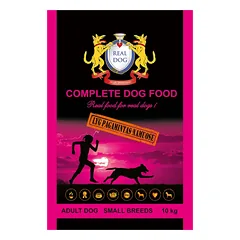
Real Dog
1,94 €/kg
19,42 € / 10 kg
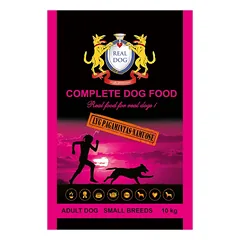
Real Dog
1,95 €/kg
19,49 € / 10 kg