

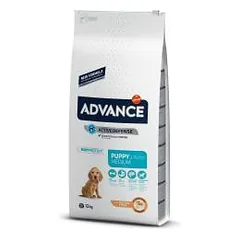
Advance
Advance Puppy Medium sausas maistas vidutinių veislių šuniukams, 12 kg
1,48 €/kg
17,76 € / 12 kg

Also known as: Islandspitz, Iceland Dog, Icelandic Spitz
The Icelandic Sheepdog arrived on the island with Viking settlers in the 9th century and remained essentially the only working dog type there for centuries, herding sheep and barking sharply to flag straying livestock. Iceland's isolation meant the breed developed with almost no outside blood, leaving it genetically cleaner than most European breeds. It comes in both medium-length and long-haired coat variants, both with a dense double layer that handles Icelandic wind and damp well. A male weighs up to 14 kilograms, alert and spirited, carrying more energy than its modest size suggests. The breed tends to bark readily at anything unusual, a useful trait for herding but one that needs managing in a city apartment. Life expectancy runs 12 to 15 years.
Browse dog food sized right for this breed
Icelandic Sheepdog: how old in human years?
Energy level
Trainability
Family friendly
Grooming need
Males 46–48 cm
Females 42–44 cm
Males 12–14 kg
Females 9–11 kg
Icelandic Sheepdog's average temperament and family-life score for this breed is high.
Icelandic Sheepdog's energy and exercise needs are moderate.
Icelandic Sheepdog's guarding and alertness traits are moderate.
Icelandic Sheepdog's grooming needs are low.
Whether it is the courier, the neighbour's cat or just the wind rattling the gate, you will hear about it first, because an Icelandic Sheepdog never misses a chance to make an announcement. This northern dog herded sheep on farms and kept watch with its voice, so it likes to bark and alertness comes built in. There isn't a drop of malice in it, though: it is about as friendly as dogs come, greeting children, guests and other dogs with that curled tail going round.
It has energy to spare, and it is bright and keen to learn, so obedience work, tricks or agility are a pleasure rather than a chore. What matters most is company: this dog wants to be wherever you are, and long hours alone are hard on it. Start shaping the barking early, calmly teaching it when enough is enough.
A typical day: a morning walk with a stretch of free running, a few games and training sessions indoors, a longer outing in the evening, and in between, a constant watch on whatever is happening outside the window. Flat life can work, as long as it gets enough exercise every day and the neighbours can live with the odd bulletin.
The Icelandic Sheepdog's double coat is built for wind and sleet: a thick, soft undercoat beneath, tougher guard hairs on top, and in the long-haired variety some showier feathering besides. Brush right down to the skin once or twice a week, and daily when the undercoat comes out, which is when tufts of fluff around the house become a genuine seasonal event. Part the coat as you go and check the skin, especially behind the ears and on the hind legs.
The pricked ears get plenty of air, but still give them a weekly look and sniff, and wipe the corners of the eyes with a soft damp cloth when needed. This dog loves puddles and mud, so after a wet walk let the coat dry properly: a double coat holds on to damp for a long time.
An Icelandic Sheepdog is a sturdy, medium-sized dog that lives around twelve to fifteen years, and with good care those are lively, cheerful years. The joints and eyes are the things to watch: how your dog moves, gets up and jumps, and whether the eyes stay clear. Regular vet visits and, when you buy a puppy, questions to the breeder about the parents' health testing lay the groundwork.
This is general information, not veterinary advice. For your own dog's health, tests and treatment, see a vet.
This is a developmental problem of the elbow, where the parts of the joint don't fit together precisely and wear over time. You might notice a front-leg limp, especially after hard play or a long rest. An Icelandic Sheepdog is busy and would happily run all day, so a change in gait is worth showing to your vet.
This is a developmental problem of the hip: the ball of the thigh bone doesn't sit snugly in its socket, so the joint wears over time. Your dog may be slower to get up, avoid jumping, or run with both back legs pushing off together like a rabbit. If you are getting a puppy of this active breed, ask the breeder about the parents' health testing.
The kneecap, a small bone at the front of the knee, slips out of its groove and the leg briefly locks. You may see your dog suddenly skip along on three legs mid-run, then walk normally again a few steps later. In a playful sheepdog that skip can look like part of the game, but if it keeps happening, let your vet check the knee.
A cataract is a clouding of the lens inside the eye that makes vision progressively dimmer. You might notice a greyish or milky look in the pupil, or your dog bumping into things at dusk. A lively, watchful Icelandic Sheepdog can make up for fading sight for a while, so take a close look at those eyes now and then.
This is an inborn developmental problem of the retina, the light-sensitive layer at the back of the eye. Mild cases may never show, while more marked ones mean poorer vision, especially in new places or low light. Only a vet can examine the back of the eye, so if you are getting a puppy, ask the breeder about the parents' health testing.
This list is chosen by the breed's weight (14 kg) rather than the breed itself: shops label food by dog size, so every breed of the same size gets the same list. Prices are updated daily.
≈ 185 g of dry food a day, from €10,09 a month For a neutered, normally active 11,5 kg dog. Calculate for your dog
Advance
1,48 €/kg
17,76 € / 12 kg
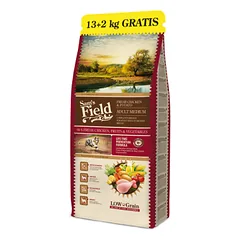
Sam's Field
1,80 €/kg
26,99 € / 15 kg

Country Dog
1,89 €/kg
28,29 € / 15 kg
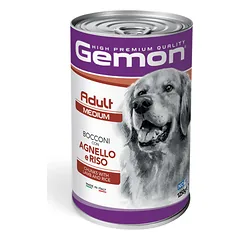
Gemon
1,94 €/kg
2,42 € / 1,3 kg
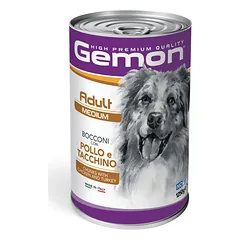
Gemon
1,94 €/kg
2,42 € / 1,3 kg

Sam's Field
2,11 €/kg
27,45 € / 13 kg

2,14 €/kg
30,00 € / 14 kg
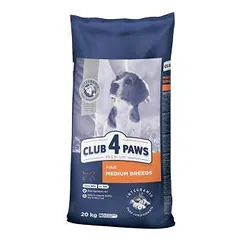
Club 4 Paws
2,15 €/kg
42,99 € / 20 kg