

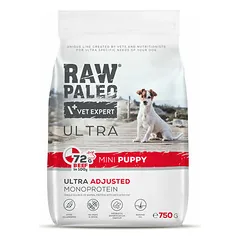
VetExpert
Raw Paleo Dog Ultra Mini Puppy Beef 750 kg
0,02 €/kg
13,09 € / 750 kg

Also known as: Puffin dog, Norwegian puffin dog
The Norwegian Lundehund was built for an oddly specific job: scaling sheer cliffs and squeezing into narrow crevices along Norway's coast to hunt puffins and their eggs. That work shaped an anatomy unlike any other dog's, six toes on each foot instead of the usual four, and joints flexible enough to fold the head back against its own spine. When puffin hunting stopped being necessary, the breed nearly disappeared, down to a dozen or so purebred dogs by the mid-20th century. That narrow gene pool left it prone to a specific digestive disorder called Lundehund syndrome, something worth knowing before bringing one home. The short, dense double coat handles damp and cold well. A male weighs only around 7 kilograms, compact and agile. Life expectancy runs 12 to 15 years.
Browse dog food sized right for this breed
Norwegian Lundehund: how old in human years?
Energy level
Trainability
Family friendly
Grooming need
Males 35–38 cm
Females 32–35 cm
Males 6–7 kg
Females 5–6 kg
Norwegian Lundehund's average temperament and family-life score for this breed is moderate.
Norwegian Lundehund's energy and exercise needs are moderate.
Norwegian Lundehund's guarding and alertness traits are low.
Norwegian Lundehund's grooming needs are low.
The first time your Lundehund bends its head back until its nose touches its spine, you may get a fright, but for this dog it is perfectly normal. This small Nordic breed was made for scrambling over Norwegian cliffs and squeezing into narrow crevices after seabird nests, so its body is as bendy as an acrobat's and its extra-toed feet grip rock like climbing shoes.
It has a fair amount of energy without going to extremes: a couple of proper walks a day plus some sniffing, climbing or play, and it is content. Training takes patience. A Lundehund is clever but independent and has opinions of its own; short, cheerful sessions with treats work far better than firmness, and house-training in particular can take a while.
With its own family it is affectionate and playful, gets on with children who treat it respectfully, and prefers to size up strangers from a safe distance. Small and fairly calm, it can live in a flat if it gets enough exercise. Just keep an eye on birds and small animals: the old hunting instinct is still there, so in open country the lead is your friend.
The Lundehund's short, dense double coat hardly ever mats, and day-to-day care is light: a weekly once-over with a brush is enough, a little more while it sheds, so the undercoat ends up in the brush rather than on the sofa. As you brush, look at the skin for flakes or redness; in a dog losing weight, a coat that has lost its shine can be one of the first clues.
The feet are the remarkable part: six toes on each foot, so more nails than usual, and some of them never touch the ground. Check and trim them every few weeks. Look inside the upright ears once a week, and wipe the corners of the eyes with a damp cloth if any discharge collects there.
A Norwegian Lundehund can live a long time, twelve years and more, but its weak spot is digestion. All three conditions below involve the gut, so it pays to know your dog's normal appetite, weight and stools; that way you will notice changes sooner. If something seems different from usual, show your dog to a vet, who will decide what happens next.
This is general information, not veterinary advice. For your own dog's health, tests and treatment, see a vet.
Here a damaged gut wall lets blood proteins leak away, and the body loses them faster than it can make them. You might notice recurring diarrhoea, weight loss despite a good appetite, or a swollen belly. A Lundehund is small, so even a few hundred grams lost is a lot; weigh your dog regularly and tell your vet about any drop.
This is long-lasting inflammation of the gut, in which the digestive tract overreacts to what passes through it. Your dog may vomit now and then, have diarrhoea, or pass stools with mucus. A Lundehund's digestion is sensitive to begin with, so if such episodes keep returning rather than happening once, see a vet, and if you are getting a puppy, ask the breeder about the parents' health testing.
Too many bacteria settle in the small intestine and start getting in the way of normal digestion and absorption. You might see wind, a gurgling belly, soft or bulky stools, or a dog that slowly loses weight. Because the signs look like the Lundehund's other gut troubles, only a vet can tell them apart.
This list is chosen by the breed's weight (7 kg) rather than the breed itself: shops label food by dog size, so every breed of the same size gets the same list. Prices are updated daily.
≈ 115 g of dry food a day, from €6,19 a month For a neutered, normally active 6 kg dog. Calculate for your dog
VetExpert
0,02 €/kg
13,09 € / 750 kg
1,70 €/kg
17,02 € / 10 kg
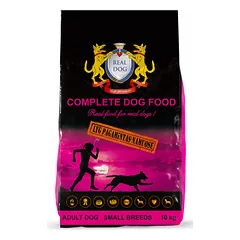
Real Dog
1,78 €/kg
17,79 € / 10 kg
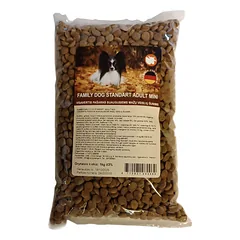
Family Dog
1,89 €/kg
1,89 € / 1 kg
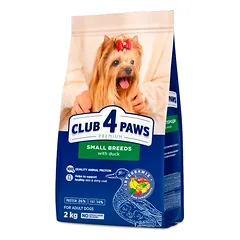
Club 4 Paws
1,93 €/kg
26,99 € / 14 kg
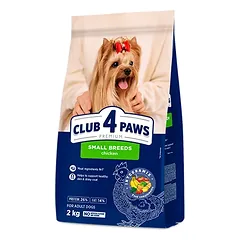
Club 4 Paws
1,93 €/kg
26,99 € / 14 kg
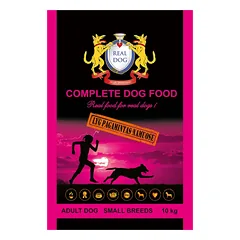
Real Dog
1,94 €/kg
19,42 € / 10 kg
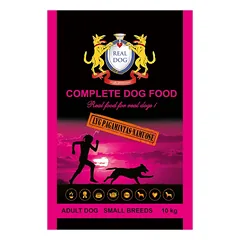
Real Dog
1,95 €/kg
19,49 € / 10 kg