

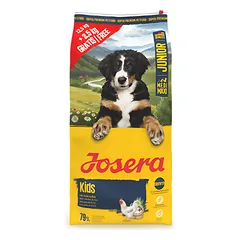
Josera
Josera Kids 12,5kg + 2,5kg = 15 kg
1,38 €/kg
37,89 € / 27,5 kg

Also known as: Ardennes Cattle Dog
The Bouvier des Ardennes comes from the same rugged Belgian region that gave its name to the Ardennes horse, and it was used to drive cattle and guard farms until the First World War nearly wiped the breed out. The rough, wiry coat shrugged off brambles and cold winters, and the body stayed compact: a male weighs around 35 kilograms but carries no excess bulk. For most of its history the breed was selected purely for working ability rather than looks, so the standard stays loose and allows for real variation in type. These dogs are bold and watchful, which makes them naturally cautious around strangers. Because the population came so close to disappearing, the breed remains rare even in Belgium today. Life expectancy runs 12 to 13 years.
Browse dog food sized right for this breed
Bouvier des Ardennes: how old in human years?
Energy level
Trainability
Family friendly
Grooming need
Males 56–62 cm
Females 53–59 cm
Males 25–35 kg
Females 25–35 kg
Bouvier des Ardennes's average temperament and family-life score for this breed is moderate.
Bouvier des Ardennes's energy and exercise needs are moderate.
Bouvier des Ardennes's guarding and alertness traits are high.
Bouvier des Ardennes's grooming needs are low.
The Bouvier des Ardennes was bred in the hills of Belgium to drive cattle, and it did the job without ceremony: tough, independent and indifferent to the weather. Today it is a rare breed, and one at home feels less like a pet than like a worker who hasn't been given an assignment yet. If you don't give it one, it will invent its own.
It has energy and a will to work, so each day needs more than long walks: it needs work for its head too, such as obedience training, tracking, herding or another dog sport. It learns quickly and likes working with its person, but it gets on best with a calm, consistent leader rather than a shouting one. A flat is too cramped for it; a garden and a family that spends a lot of time outdoors suit it far better.
It is devoted to its family but wary of strangers and very alert: you won't be the one announcing every approaching person, it will, and it has no intention of letting anyone in without reason. That makes early, broad socialisation essential, so that watchfulness doesn't turn into suspicion. It gets along with children and other dogs it has grown up with or been properly introduced to, but small children are best supervised, since a herder's habit of nudging anything that runs can wake up.
The Bouvier des Ardennes wears a rough, wiry, slightly tousled coat, as if it had just walked in from a windy pasture. That coat was made to shrug off rain, mud and thorny hedges, and it asks for little: once a week give it a good going-over with a firm brush and a comb, paying attention to the spots where the hair is longer and likes to tangle, such as the muzzle and the legs. It sheds lightly, and mud that dries in the harsh hair mostly just falls out with the brush.
It doesn't need frequent baths, since shampoo softens a rough coat and takes away its protection. After walks through fields, check the beard and the feet, which can yield a surprising number of burrs, and look inside the ears once a week; redness, discharge or a bad smell is a reason to see a vet. Trim the nails if they don't wear down on their own.
We don't have reliable health information specific to this breed, so we don't list conditions here. Keep up regular vet check-ups, and if you are getting a puppy, ask the breeder about the parents' health testing.
This is general information, not veterinary advice. For your own dog's health, tests and treatment, see a vet.
This list is chosen by the breed's weight (35 kg) rather than the breed itself: shops label food by dog size, so every breed of the same size gets the same list. Prices are updated daily.
≈ 380 g of dry food a day, from €20,73 a month For a neutered, normally active 30 kg dog. Calculate for your dog
Josera
1,38 €/kg
37,89 € / 27,5 kg
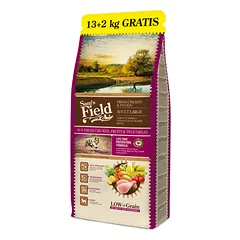
Sam's Field
1,80 €/kg
26,99 € / 15 kg

Country Dog
1,89 €/kg
28,29 € / 15 kg
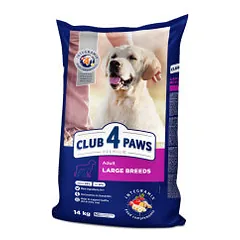
Club 4 Paws
1,92 €/kg
26,94 € / 14 kg
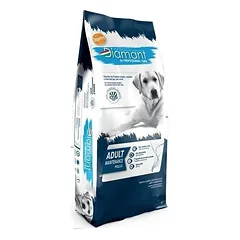
Diamant
1,93 €/kg
28,99 € / 15 kg
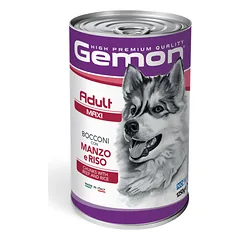
Gemon
1,94 €/kg
2,42 € / 1,3 kg

BIO FORM
2,00 €/kg
40,00 € / 20 kg

BIO FORM
2,00 €/kg
40,00 € / 20 kg