

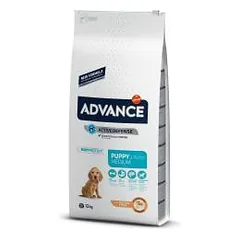
Advance
Advance Puppy Medium sausas maistas vidutinių veislių šuniukams, 12 kg
1,48 €/kg
17,76 € / 12 kg

Also known as: Kurzhaarpinscher, Österreichischer Pinscher, Österreichischen Kurzhaanigen Pinscher
In Austria this dog spent centuries as an all-purpose farm worker, catching vermin, guarding the yard and riding along on the farmer's cart. The frame is small, up to 18 kilograms, compact and quick on its feet. The short, smooth coat needs minimal grooming. The breed nearly died out by the mid 20th century and was rebuilt from the surviving village dogs, which is why it remains rare even at home today. Alert and vocal, it takes to guard duty naturally without any specific training. Loyal with family, wary of strangers. It needs clear leadership or it tends to start making its own decisions. Life expectancy runs 12 to 14 years.
Browse dog food sized right for this breed
Austrian Pinscher: how old in human years?
Energy level
Trainability
Family friendly
Grooming need
Males 42–50 cm
Females 42–48 cm
Males 12–18 kg
Females 12–18 kg
Austrian Pinscher's average temperament and family-life score for this breed is moderate.
Austrian Pinscher's energy and exercise needs are moderate.
Austrian Pinscher's guarding and alertness traits are high.
Austrian Pinscher's grooming needs are low.
The letterbox flap hasn't even closed and the whole street already knows someone has called. The Austrian Pinscher grew up on Austrian farms, where his job was to guard the yard, announce every arrival and keep the rodents moving, and that alertness is still very much in him. He is an excellent watchdog with opinions he likes to voice, so if you live in a flat with thin walls, start teaching him to manage the barking from the first days.
He is lively and hardy, and enjoys long walks, ball games and tasks that make him think. He learns reasonably well but has a mind of his own, so short, varied sessions with plenty of praise work better than sternness. Well exercised and kept busy, he can live in a flat, though a garden with a sturdy fence would suit him better.
He is devoted and affectionate with his family, while strangers get a long, careful look before they are accepted. He gets on with children who know to respect a dog's quiet time, and with other dogs when he has met plenty of them from puppyhood. A typical Austrian Pinscher day: a morning walk, half a day keeping a watchful eye on the yard, then games in the evening and a good chat with you on the sofa.
The Austrian Pinscher wears a short, smooth, dense coat that sits close to the body like a well-cut jacket. It asks little of you: a rubber mitt or bristle brush once a week, and the loose hair ends up on the brush instead of the sofa. He sheds lightly, and the coat holds on to very little dirt or smell, so the occasional bath is plenty.
The bigger job is the routine check after walks. Run a hand over the coat for ticks, look at the ears and feet, and trim the nails if they don't wear down on their own. A short coat keeps him less warm than it looks, so don't be surprised how quickly he asks to go home on a bitterly cold day.
We don't have reliable health information specific to this breed, so we don't list conditions here. Keep up regular vet check-ups, and if you are getting a puppy, ask the breeder about the parents' health testing.
This is general information, not veterinary advice. For your own dog's health, tests and treatment, see a vet.
This list is chosen by the breed's weight (18 kg) rather than the breed itself: shops label food by dog size, so every breed of the same size gets the same list. Prices are updated daily.
≈ 225 g of dry food a day, from €12,33 a month For a neutered, normally active 15 kg dog. Calculate for your dog
Advance
1,48 €/kg
17,76 € / 12 kg
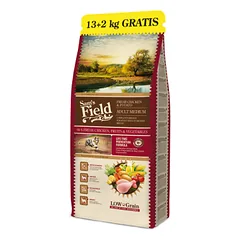
Sam's Field
1,80 €/kg
26,99 € / 15 kg

Country Dog
1,89 €/kg
28,29 € / 15 kg
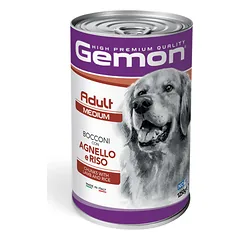
Gemon
1,94 €/kg
2,42 € / 1,3 kg
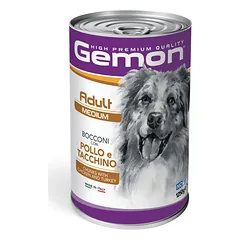
Gemon
1,94 €/kg
2,42 € / 1,3 kg
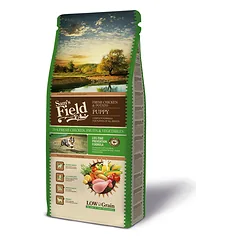
Sam's Field
2,11 €/kg
27,45 € / 13 kg
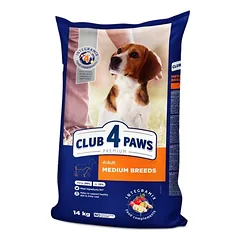
2,14 €/kg
30,00 € / 14 kg
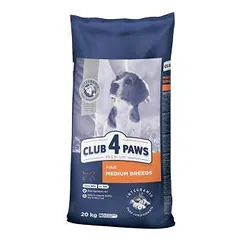
Club 4 Paws
2,15 €/kg
42,99 € / 20 kg