

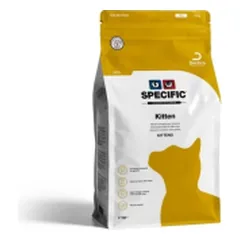
Specific
Specific FPD Kitten sausas maistas augantiems kačiukams, 400 kg
0,01 €/kg
5,59 € / 400 kg

Also known as: Turkish cat, Vanzeichnung, swimming cat, Turkish Vankedisi, Van coat
The Turkish Van comes from the Lake Van region of eastern Turkey and is known for its distinctive van pattern: a white body with colour limited mostly to the head and tail. It is a large, muscular and athletic cat, with males typically weighing around 5 to 8 kilograms. The medium-length silky coat has little undercoat and is easy to maintain, although it grows thicker in winter. The breed is often said to enjoy water, which is unusual among cats. Vans are typically energetic, curious and strongly attached to their people, and they need space and places to climb. Life expectancy is typically around 13 to 17 years.
Turkish Van: how old in human years?
Energy level
Playfulness
Family friendly
Grooming need
Males 5–8 kg
Females 3.5–5.5 kg
Turkish Van: average score for sociability and trainability is moderate.
Turkish Van: average score for activity and living space is high.
Turkish Van: average score for personality and communication is moderate.
Turkish Van: grooming and shedding demands are moderate.
The 1–5 trait scores are editorial estimates, not measurements. Every cat is an individual, so treat them as a general guide.
A dripping tap is an invitation to a Turkish Van, not a nuisance: plenty of these cats like to paw at running water, fish toys out of a bowl or follow you into the bathroom. Not every one is a swimmer, but they are less put off by water than other cats, which is why the bathroom door in a Van household tends to stay shut.
It is strong, energetic and a born hunter: it tears through the rooms, leaps onto the tallest wardrobe and ambushes anything that moves. It needs a tall, sturdy climbing tree, a heavy scratching post and a daily hunting game with a wand toy, or the energy will find its way to your curtains.
It wants affection on its own terms: it likes to be near you and joins in wherever something interesting is happening, but held in your arms for long it starts to protest. Independent as it is, it copes with a day alone more calmly than clingier cats, yet it keeps its distance from strangers at first and gets on best with children and dogs that respect its limits. A small flat can feel cramped to it, so more space and a safely netted balcony suit it better.
The Turkish Van's coat is semi-long, silky and almost without undercoat, so it feels like cashmere and water seems to run straight off it. It tangles little, and a comb-through once a week is enough for most of the year; in spring, when the cat drops its thicker winter coat, comb it a few times a week and don't be surprised by how much hair ends up in the comb.
As you comb, look at the skin underneath, especially on the white chest and belly, where redness or small scabs show up best. Check the ears every week and, if your cat likes to splash about in water, make sure they are dry afterwards. Clean the corners of the eyes with a damp cotton pad, and trim the claws when they start catching on the rug.
How to do it:
By age:
A Turkish Van grows into a big, strong cat and can share your life for thirteen to seventeen years. Two health problems are known in the breed, both thoroughly down to earth: dental disease and excess weight. You can spot either at home if you know where to look, and regular vet check-ups help catch them in good time.
This is general information, not veterinary advice. For your own cat's health, tests and treatment, see a vet.
Plaque and tartar build up on the teeth, the gums become inflamed and the mouth starts to hurt. Like other cats, a Turkish Van hides pain, so you are more likely to notice bad breath, chewing on one side or crumbs scattered round the bowl. Have a vet look at its teeth and gums at every routine check-up.
When the body stores too much fat, the joints, heart and other organs carry a heavier load. A Turkish Van has a big frame, and its semi-long coat hides a rounding belly well, so feel for its ribs now and then and look down at its waist from above. A vet is the best judge of what your cat should weigh.
This list is the same on every cat breed page. Shops do not label cat food by breed, so it simply shows the cheapest cat food we track per kilogram. Check the label for your cat's age and health needs. Prices are updated daily.
≈ 79 g of dry food a day, from €4,50 a month For a neutered, normally active 5,5 kg cat. Calculate for your cat
Specific
0,01 €/kg
5,59 € / 400 kg
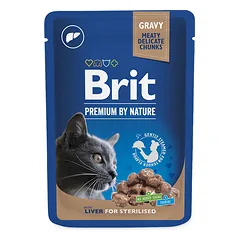
Brit Premium
0,33 €/kg
0,80 € / 2,4 kg
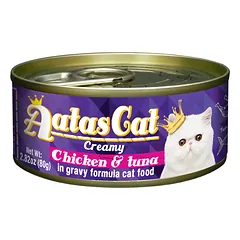
0,55 €/kg
1,05 € / 1,9 kg

0,55 €/kg
1,05 € / 1,9 kg

Tigerino
0,87 €/kg
20,89 € / 24 kg

Gourmet
0,94 €/kg
0,96 € / 1,0 kg

Fitmin for Life
1,00 €/kg
0,80 € / 0,8 kg
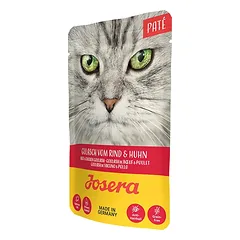
Josera
1,10 €/kg
1,49 € / 1,4 kg