

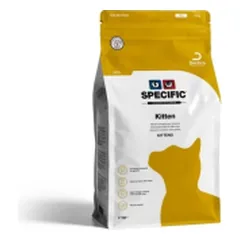
Specific
Specific FPD Kitten sausas maistas augantiems kačiukams, 400 kg
0,01 €/kg
5,59 € / 400 kg

The Sacred Birman is a medium-sized, long-bodied cat with a silky coat, blue eyes, darker markings on the face, legs and tail, and white feet that are often called gloves. Its name refers to Burma, now Myanmar, and to a legend of temple cats, but the breed as we know it took shape in France in the early twentieth century. Adults typically weigh around 3 to 6.5 kilograms. The medium-length coat has little undercoat and tangles less than many long coats, although regular brushing still helps. Birmans are usually gentle, friendly and fond of company, and they settle well in a quiet family home. Life expectancy is typically around 12 to 16 years.
Birman: how old in human years?
Energy level
Playfulness
Family friendly
Grooming need
Males 4–6.5 kg
Females 3–5 kg
Birman: average score for sociability and trainability is high.
Birman: average score for activity and living space is moderate.
Birman: average score for personality and communication is moderate.
Birman: grooming and shedding demands are moderate.
The 1–5 trait scores are editorial estimates, not measurements. Every cat is an individual, so treat them as a general guide.
A Birman does not ask to be entertained; it asks for you to be in the room. It follows you in, settles on the chair beside your desk and watches quietly, and in the evening it climbs onto your lap of its own accord. Its voice is soft and small, so it tells you what it wants with a look more than a meow.
It likes to play, in moderation: a short hunt with a wand or a ball before dinner, then calm again. The hunting urge is mild, so a sturdy scratching post and a spot by the window become its favourite corners of the home. It gets on well with gentle children, other cats and friendly dogs, and meets visitors without fear, if without much enthusiasm.
A flat suits it perfectly, and it has no need to roam outdoors. It will cope with a working day alone, but takes long stretches of solitude harder than a more independent cat, so give it some time when you come home.
A Birman's coat is medium-length and silky and, happily, has little woolly undercoat, so it tangles far less than that handsome ruff would suggest. A comb-through once or twice a week is enough, every few days while it sheds; as you go, part the hair with your fingers and look at the skin for flakes, scabs or redness.
The white "gloves" on its paws show every speck of dirt, but a damp cloth takes care of them. Check the nails while you are there and trim the tips if they are too long or starting to curl. Wipe the corners of the blue eyes if discharge gathers, and look in the ears weekly: inside they should be pale and clean.
How to do it:
By age:
A calm temperament has one catch: when a cat naturally spends a lot of time resting, it is harder to see that it is resting more than before. A Birman can live twelve to sixteen years, and two inherited conditions, of the heart and of the kidneys, are known in the breed, so ask the breeder about the parents' health testing before you take a kitten, and make the yearly vet check-up a habit.
This is general information, not veterinary advice. For your own cat's health, tests and treatment, see a vet.
A thickened heart wall makes it harder for the heart to pump blood. A Birman takes its days slowly, so learn how it breathes in its sleep: if its flanks rise and fall fast while it rests, show it to a vet. If it suddenly breathes with its mouth open or loses the use of its back legs, it needs a vet immediately.
An inherited disease in which fluid-filled cysts form in the kidneys and, over time, get in the way of their work. At first the cat looks perfectly well, so the early hints are a bigger thirst, wetter litter, a smaller appetite or weight loss. Ask the breeder about the parents' health testing before you take a kitten, and see a vet if you notice such changes.
This list is the same on every cat breed page. Shops do not label cat food by breed, so it simply shows the cheapest cat food we track per kilogram. Check the label for your cat's age and health needs. Prices are updated daily.
≈ 69 g of dry food a day, from €3,94 a month For a neutered, normally active 4,6 kg cat. Calculate for your cat
Specific
0,01 €/kg
5,59 € / 400 kg
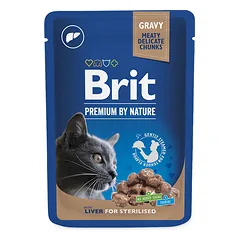
Brit Premium
0,33 €/kg
0,80 € / 2,4 kg

0,55 €/kg
1,05 € / 1,9 kg

0,55 €/kg
1,05 € / 1,9 kg

Tigerino
0,87 €/kg
20,89 € / 24 kg
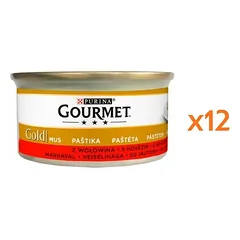
Gourmet
0,94 €/kg
0,96 € / 1,0 kg

Fitmin for Life
1,00 €/kg
0,80 € / 0,8 kg
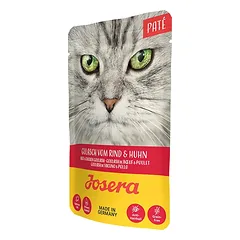
Josera
1,10 €/kg
1,49 € / 1,4 kg